





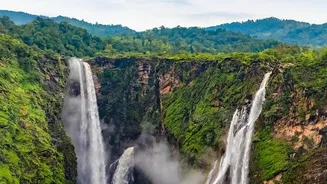
The Allure of the Post-Monsoon Getaway
For savvy travellers, the term 'shoulder season' is synonymous with value. In India, this often refers to the period just after the heavy monsoon rains but before the peak tourist crowds arrive in October and November. September is the heart of this season for coastal
Maharashtra and Karnataka. The landscape, freshly washed by the rains, is a vibrant, lush green. Temperatures become more pleasant, hovering in the comfortable mid-20s to low-30s Celsius, and the humidity begins to drop. The biggest draws, however, are the empty beaches and lower prices. Accommodation rates can be 20-40% lower than in the peak months of December and January, making it an ideal time for a budget-friendly escape.
Alibaug: Mumbai's Verdant Backyard
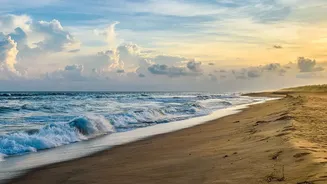
Just a short ferry ride from Mumbai, Alibaug transforms in September. The region sheds the logistical challenges of the heavy monsoon and enters a period of serene beauty. The rice paddy fields are at their greenest, and the air is fresh. While the primary tourist season is considered to be from November to February, September offers a chance to see Alibaug's famed beaches—like Nagaon, Varsoli, and Kashid—without the usual weekend crowds. This is the time for quiet walks along the shore, exploring historic sea forts like Kolaba Fort against a dramatic, post-monsoon sky, and enjoying the undivided attention of local cafes and restaurants. While some water sports may still be limited due to sea conditions, the trade-off is a more peaceful and authentic Konkan experience.
Planning Your Alibaug Escape
Travelling to Alibaug in September is straightforward. While the ferry service from Mumbai can sometimes be affected by lingering rough seas early in the month, road travel is a reliable alternative. The town is less crowded, meaning you can often find great deals on luxury villas and boutique resorts that would be fully booked later in the year. It's a perfect time for those who enjoy scenic drives and exploring at a leisurely pace. Pack light layers and perhaps a light raincoat for the occasional surprise shower. The main attractions like forts and temples are open, offering a chance to see them in a tranquil setting.
Gokarna: The Spiritual Coast's Quiet Side
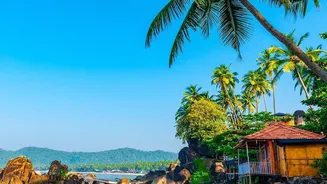
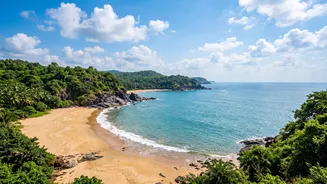
Further south in Karnataka, Gokarna offers a different but equally compelling September story. Known for its unique blend of pilgrimage-town piety and backpacker-beach vibe, Gokarna is famously crowded during peak season. But in September, the town breathes. The heavy rains of June and July have subsided, leaving behind lush hills that cascade down to meet the Arabian Sea. The weather becomes pleasant for exploring, with temperatures generally warm and breezy. This is the ideal time for the iconic beach trek connecting Kudle, Om, Half Moon, and Paradise beaches, with the trails being less slippery and the landscape stunningly green. Many beach shacks and cafes, which close during the peak monsoon, begin to reopen, but the hordes of tourists have yet to arrive.
Embracing Gokarna's Slower Pace
Visiting Gokarna in September means enjoying its famous beaches without the fight for a spot on the sand. You can watch the sunset from Kudle Beach in near solitude, enjoy water sports at Om Beach as they resume, or find a quiet corner in a cliffside cafe. Accommodation, from simple guesthouses to more comfortable resorts, is significantly cheaper, with stays sometimes costing 30-50% less than in December. It's a month for travellers who prioritise peace and natural beauty over a bustling party scene. You can explore the Mahabaleshwar Temple without long queues and truly soak in the spiritual atmosphere of the town before the peak pilgrimage season begins. Some travellers even report seeing bioluminescence on the beaches during the post-monsoon months on new moon nights.