






The Allure of the All-Out Effort
High-intensity interval training, or HIIT, has dominated fitness conversations for years, and for good reason. It’s incredibly time-efficient, promising significant calorie burn and improved aerobic fitness in sessions as short as 20 minutes. For a professional
with a packed schedule, the appeal is obvious: maximum results in minimum time. These workouts, which involve short bursts of near-maximal effort followed by brief recovery periods, trigger a significant post-workout calorie-burning effect known as EPOC (Excess Post-exercise Oxygen Consumption). This metabolic boost, combined with proven benefits for body composition and insulin sensitivity, makes HIIT seem like the perfect solution for staying fit amidst a demanding career.
The Hidden Costs of High Stress Exercise
The problem isn't HIIT itself, but its excessive application in an already high-stress life. Intense exercise is a physical stressor. During a HIIT session, the body releases cortisol, the primary stress hormone, to mobilize energy for a 'fight-or-flight' response. While this is a normal, acute response, the issue arises when this physical stress is layered on top of chronic professional stress. For a busy professional already running on fumes, frequent HIIT sessions without adequate recovery can lead to chronically elevated cortisol levels. This can disrupt sleep, increase anxiety, and contribute to burnout—symptoms that many professionals are already trying to manage. Furthermore, the explosive nature of HIIT increases the risk of joint strain and overuse injuries, especially when form is compromised due to fatigue.
Enter Low-Intensity Steady-State Cycling
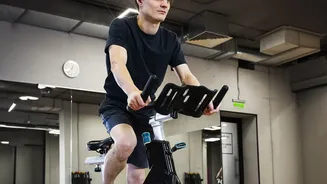
This brings us to the quiet hero of sustainable fitness: Low-Intensity Steady-State (LISS) training, perfectly embodied by cycling at a controlled pace. This type of exercise, often called Zone 2 training, involves maintaining a heart rate at around 60-70% of your maximum for an extended period, typically 30 minutes or more. At this intensity, you can comfortably hold a conversation. While it may not feel as dramatic as a HIIT session, its physiological benefits are profound. The primary advantage is its effect on your mitochondria, the powerhouses of your cells. Zone 2 training stimulates the growth of more and larger mitochondria, making your body more efficient at using oxygen and producing energy.
The Superior Fuel for Fat Burning
One of the most significant advantages of low-intensity cycling is how it trains your body's fuel system. During LISS, the body preferentially burns fat for energy. This not only aids in weight management but also improves metabolic flexibility—your body's ability to switch efficiently between fuel sources. By becoming better at oxidising fat, you preserve your limited glycogen (carbohydrate) stores, which enhances overall endurance. Studies have shown that prolonged low-intensity exercise can induce a higher rate of total fat oxidation than shorter, vigorous workouts. For a professional seeking sustainable body composition changes without adding more stress, training the body to become a more efficient fat-burning machine is a much more strategic long-term play.
A Tool for Recovery and Consistency
Perhaps the greatest benefit for a busy professional is sustainability. Low-intensity cycling is easier on the joints and requires significantly less recovery time than HIIT. Instead of leaving you feeling drained, a Zone 2 session can feel restorative and meditative, helping to lower stress hormones rather than spiking them. This makes it something you can do consistently, even on days when you feel mentally fatigued from work. Consistency is the single most important factor in achieving long-term fitness goals. An exercise plan that you can stick with for years will always beat a plan that leads to burnout or injury within a few weeks. Low-intensity cycling isn't just a workout; it can be an act of active recovery and mental decompression in a stressful week.