



The ‘Cold’ Principle: Temperature Is Everything
The first rule for preserving fruit is to keep it cool. Lower temperatures significantly slow down the ripening process and the growth of bacteria that lead to spoilage. For road trips, a well-insulated cooler is your best friend. Instead of loose ice
which melts and makes everything wet, use frozen gel packs or even frozen water bottles. These serve a dual purpose: they keep the food cold and provide you with cool water once they thaw. To maximize efficiency, pre-chill your cooler overnight with ice before packing. Pack perishable fruits last, just before you leave, to maintain their cold temperature for as long as possible. Even for shorter trips or air travel, an insulated lunch bag can make a world of difference, protecting your fruit from ambient warmth.
The ‘Dry’ Imperative: Managing Moisture
Moisture is the enemy of fresh fruit, creating an ideal environment for mould and causing delicate skins to break down. Before packing, ensure all your fruit is completely dry. If you wash your fruit beforehand, pat it dry thoroughly with a paper towel. For fruits like berries that are prone to dampness, specialized containers with removable colanders can be a great investment, as they allow excess moisture to drain away. Packing fruits in paper bags or wrapping them in paper towels can also help absorb any condensation that might form, especially in a cold cooler. Avoid sealed plastic bags unless they are specifically designed for produce with vents, as they trap moisture and can accelerate rotting.
The ‘Separate’ Strategy: Preventing Bruising and Ripening
Keeping fruits separate is crucial for two reasons: preventing physical damage and managing the ripening process. Softer fruits should be packed in hard, protective containers to prevent them from getting crushed. Even a simple, clean plastic container can serve as armour for delicate items like peaches or plums. The second reason for separation involves a natural gas called ethylene, which many fruits release as they ripen. Fruits like apples, bananas, and pears are high ethylene producers and can cause other ethylene-sensitive fruits, such as berries and kiwis, to ripen and spoil much faster. To prevent this, store high-ethylene producers in a different container or bag from sensitive ones. This simple zoning strategy can dramatically extend the life of all your travel snacks.
Choosing Your Travel Companions Wisely
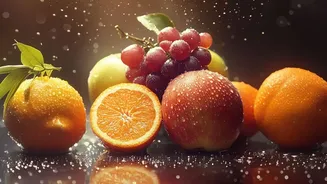
Not all fruits are created equal when it comes to travel. The most durable options are those with their own natural, sturdy packaging. Think apples, oranges, and clementines. These are hardy and can withstand some jostling. Bananas are also a good choice, but it's best to buy them when they are still slightly green and firm; you can even find dedicated plastic banana protectors to prevent bruising. Hardier fruits like firm pears also travel well. On the other hand, delicate fruits like berries, ripe peaches, and figs are best avoided for long journeys unless packed with extreme care in crush-proof containers. If you do bring them, plan to eat them on the first day of your trip.
Smart Packing Tools and Techniques
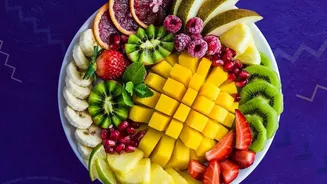
Beyond the basic principles, a few tools can make your life easier. Hard-sided containers with compartments are excellent for keeping different fruits from touching. You can find containers specifically designed for fruit, with features like vents and drainage trays. For larger fruits like melons, it's best to chop them into bite-sized pieces and store them in a leak-proof container in your cooler. This not only saves space but also makes them easier to eat on the go. When packing your cooler or bag, always place heavier, sturdier items at the bottom and delicate fruits on top to prevent them from being crushed under the weight of other items.