




The Science of Green Air Filters
The belief that houseplants can clean indoor air gained widespread attention after a 1989 NASA study. This research found that certain plants could remove volatile organic compounds (VOCs) like formaldehyde and benzene from sealed chambers. These pollutants
are common in homes, released from items like furniture, paint, cleaning agents, and even incense. Plants absorb these gaseous pollutants through tiny pores on their leaves and roots, while soil microorganisms also help break them down. Some plants, like aloe vera and snake plants, are also known to release oxygen at night, which can be beneficial in bedrooms.
Managing Expectations: A Reality Check
While plants do have purifying properties, it's crucial to understand their limitations. The NASA study was conducted in a sealed, controlled lab environment, which is very different from a typical home with natural ventilation and constant air exchange. More recent analyses have concluded that you would need an impractically large number of plants—some estimate between 10 to 1000 plants per square meter—to match the air-cleaning capacity of a building's natural air exchange or a mechanical purifier. Therefore, houseplants should be seen as a helpful supplement to a broader clean-air strategy, not a standalone solution. They contribute to a healthier environment but won't single-handedly defeat severe indoor pollution.
Snake Plant (Sansevieria trifasciata)
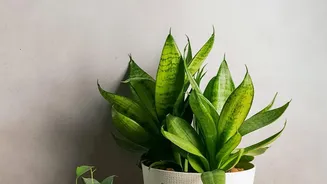
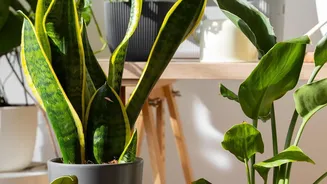
Often called 'the bedroom plant', the snake plant is a champion of air purification. It is celebrated for its ability to convert carbon dioxide into oxygen at night, making it perfect for sleeping areas. It's also incredibly effective at filtering out formaldehyde, benzene, xylene, and nitrogen oxides—toxins commonly found in paints, cleaning products, and furniture. The snake plant is famously low-maintenance, thriving in low light and requiring infrequent watering, making it an ideal choice for busy households in Delhi-NCR.
Areca Palm (Dypsis lutescens)
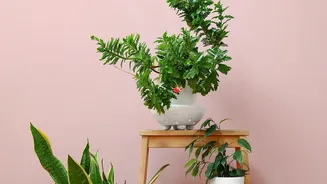
With its lush, feathery fronds, the Areca Palm is not just aesthetically pleasing but also a hardworking air purifier. It is particularly adept at removing pollutants like formaldehyde and carbon monoxide. A significant benefit for Delhi's often dry winter air is its function as a natural humidifier; it releases substantial moisture into the air, helping to combat dryness. This palm prefers bright, indirect sunlight and consistently moist soil, bringing a tropical-feeling boost to both your decor and your indoor air.
Money Plant (Epipremnum aureum)
A staple in many Indian homes, the Money Plant, or Pothos, is another top performer from the NASA study. It's excellent at tackling indoor pollutants such as formaldehyde, benzene, and xylene. This hardy vine is forgiving and versatile, capable of growing in soil or just water. It thrives in various light conditions and is known for being difficult to kill, which is great for beginner plant parents. Its fast-growing vines can be trained up walls or left to trail from shelves, adding a touch of green to any corner.
Aloe Vera (Aloe barbadensis miller)
Known for the healing gel in its leaves, Aloe Vera is also a powerful air purifier. It's particularly good at clearing formaldehyde and benzene, which are byproducts of chemical-based cleaners and paints. An interesting feature of the Aloe Vera plant is that it releases oxygen at night, making it another great choice for bedrooms. It’s a succulent, so it prefers bright, indirect light and needs minimal watering, making it well-suited to the conditions in many Delhi homes.
Indian Basil (Ocimum tenuiflorum)
Commonly known as Tulsi, this plant holds a revered place in Indian culture and also offers significant air-purifying benefits. Beyond its traditional medicinal uses, research has documented Tulsi's ability to absorb harmful pollutants and pathogens from the air. It is said to release oxygen for up to 20 hours a day. Placing a Tulsi plant on a sunny balcony or windowsill not only aligns with tradition but also contributes to a cleaner, healthier home environment.
Beyond Plants: A Complete Strategy
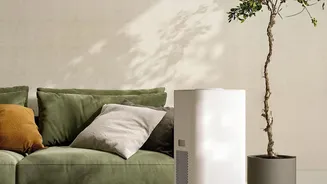
While houseplants are a wonderful natural aid, protecting your home from smog requires a multi-pronged approach. During periods of high pollution, it's crucial to keep windows and doors closed to prevent outdoor pollutants from entering. Consider investing in a good quality air purifier with a HEPA filter, especially for bedrooms and living areas. Regularly vacuuming with a HEPA filter vacuum and avoiding activities that create more indoor pollution, like burning incense or candles, can also make a significant difference.