







What is a Digital Media Project Loan?
Unlike a standard personal or business loan, a digital media project loan is a specialised form of financing tailored for the creative industries. Think of it as project-specific funding designed to cover the costs of producing a web series, a documentary,
a podcast season, or even a sophisticated YouTube project. These loans are not for buying a house or a car; they are specifically for bringing a piece of digital content to life. Lenders who offer these products understand the unique lifecycle of a media project, from pre-production and shooting to post-production and marketing. The focus is on the project's potential viability, script strength, and eventual return on investment, rather than just the borrower's generic credit history.
The Shifting Landscape of Media Finance
Traditionally, film financing in India was the domain of large studios or private financiers. However, the explosion of Over-The-Top (OTT) platforms and the creator economy has changed the game. Today, independent creators, small production houses, and digital influencers are major players, but they often lack access to traditional funding channels. This gap is being filled by a new breed of lenders, primarily Non-Banking Financial Companies (NBFCs) and specialised fintech platforms. These institutions are more agile and use technology to assess risk differently, looking at factors like a creator's audience engagement, a project's distribution plan, and potential for monetisation through brand deals or platform sales.
Key Types of Financing for Creators
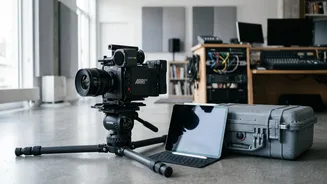
Digital media financing isn't a one-size-fits-all solution. Different needs require different types of funding. The most common forms include: Project-Based Term Loans: This is the most direct form of financing, where a lump sum is provided to produce a specific project, such as a feature film or a web series. Repayment is tied to the project's completion and revenue generation. Equipment Finance: Aspiring and established creators need gear. This loan specifically covers the purchase of cameras, lighting, sound equipment, and high-end editing computers. The equipment itself often serves as collateral. Working Capital Loans: For a media company that is already operational, a working capital loan helps manage day-to-day expenses like salaries, rent for a studio, and software subscriptions while waiting for payments from clients or platforms. Personal Loans for Creators: Many fintech NBFCs now offer collateral-free personal loans targeted at freelancers and creators with a steady income stream. While smaller in value (typically up to ₹5 lakh), they offer quick disbursal for urgent needs like upskilling courses or marketing boosts.
Who Offers These Loans and What Do They Look For?
A mix of public and private entities are involved in media financing. While some banks have frameworks for film financing, NBFCs and digital lenders are often more accessible to new-age creators. Government bodies like the National Film Development Corporation (NFDC) also play a role in producing and co-producing films, although they have discontinued their direct loan schemes for production. Lenders will scrutinise your proposal thoroughly. To be successful, you must present a 'bankable' project. This includes a polished script, a detailed budget breakdown, a realistic production schedule, and a clear financial plan. Most importantly, lenders want to see a path to revenue. A letter of interest from an OTT platform, a distribution agreement, or a strong track record of monetised content can significantly improve your chances of approval.
Navigating the Inherent Challenges
Securing a loan for a creative project remains a challenge. Banks often view films and digital series as high-risk ventures because their success is subjective and difficult to predict. Even with a solid plan, lenders may require the producer to bring in at least 25% of the project cost as their own contribution. For independent creators without a significant financial history or assets to offer as collateral, getting a large-scale project loan can be tough. This is why having a strong CIBIL score, a clear record of past income (even if it's irregular), and filing regular income tax returns is crucial for building credibility with lenders.