



Beyond Just Taste
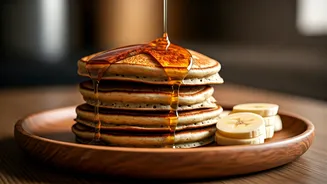
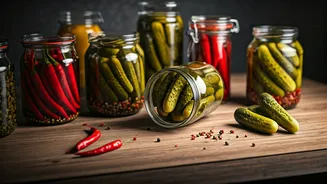
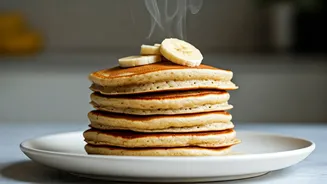
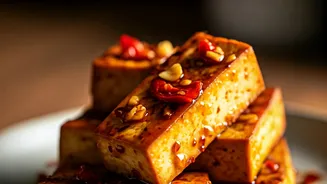
We often think of flavour as the hero of a dish, focusing on sweet, sour, salty, and bitter. But our brains process a meal using all our senses. The forgotten star is "mouthfeel"—the physical sensation a food creates in the mouth. Is it creamy, crunchy,
chewy, or crisp? Neurogastronomy, the study of how our brain perceives flavour, shows that texture is just as important as taste and smell in our overall enjoyment. A dish with a single, monotonous texture—like a bowl of plain khichdi or an over-blended soup—can quickly become boring, even if its flavours are good. Adding a contrasting texture stimulates the brain, holds our interest, and makes each bite feel new and exciting.
The Golden Rule: Creamy and Crunchy
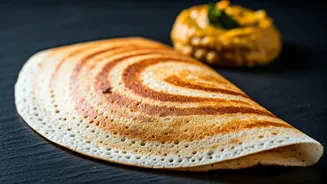
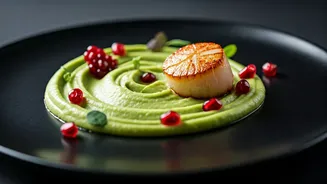
The most classic and effective textural pairing is the combination of creamy and crunchy. Think about the most satisfying foods you know. A crispy dosa dipped in soft, savoury potato masala. Smooth hummus scooped up with a crunchy pita chip. Creamy dahi topped with crunchy granola. This contrast works because it provides a complete sensory experience. The smooth, luxurious base is punctuated by a sharp, satisfying crunch. This simple principle can be applied to almost any dish. Serving a creamy dal? Top it with crispy fried onions or boondi. Making a simple sabzi? Finish it with a sprinkle of roasted peanuts or cashews for an instant upgrade.
Sprinkle in a Surprise
The best meals often have an element of the unexpected. Adding a pop of texture where it’s not anticipated can instantly elevate a dish from good to great. Think of the burst of a juicy pomegranate seed in a dry salad, or the delightful crunch of sev sprinkled over a soft cheese sandwich. These small additions don't just add texture; they add moments of surprise and delight. This technique is all about adding a final flourish. A handful of toasted pumpkin seeds on a butternut squash soup, a sprinkle of flaky sea salt on a chocolate cookie, or finely chopped fresh onions on top of poha are all simple ways to introduce a surprising and welcome textural dimension.
Master Your Topping Arsenal
Becoming a texture expert doesn't require new cooking skills; it just requires a well-stocked pantry of "finishers." Think of these as the punctuation marks for your food. Here are some essentials to keep on hand: - **Nuts and Seeds:** Toasted almonds, walnuts, peanuts, sesame seeds, pumpkin seeds, and sunflower seeds add a rich, nutty crunch to salads, stir-fries, and vegetable dishes. - **Fried Elements:** Crispy fried onions, shallots, or garlic are a godsend for dals, curries, biryanis, and even simple rice dishes. - **Fresh Herbs:** Beyond flavour, sturdy herbs like parsley and coriander leaves or finely chopped mint can add a fresh, slightly crisp texture. - **Croutons and Breadcrumbs:** Don't just save them for soup and salad. Toasted, garlic-infused breadcrumbs can be sprinkled over pasta or roasted vegetables for a fantastic crunch. - **Something Crispy:** Think sev, crushed papad, or even crumbled potato chips as an unconventional but delicious topping for chaats, sandwiches, and rice bowls.
Play with Temperature and Form
Texture isn't just about what you add; it's also about how you prepare and present your ingredients. The contrast between hot and cold is a powerful tool. A classic example is a warm, fudgy brownie served with a scoop of cold vanilla ice cream. The interplay between the melting creaminess and the dense warmth is irresistible. You can also vary the form of a single ingredient within a dish. Imagine a tomato curry that uses a smooth, pureed base but is finished with chunks of fresh, raw tomato. You get two different expressions—and textures—of the same ingredient, adding depth and complexity without introducing new flavours. This shows that thinking about texture can be as simple as changing how you cut or cook an everyday vegetable.