






A Nutritional Powerhouse
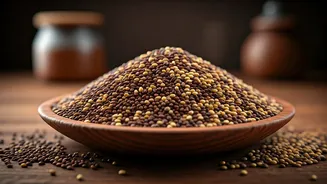
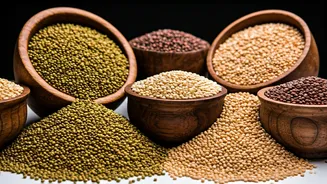
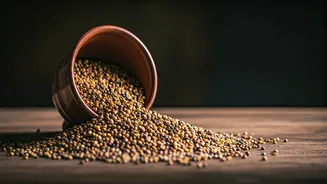
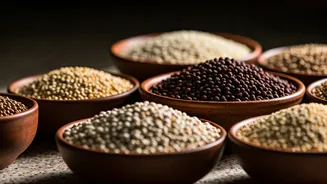
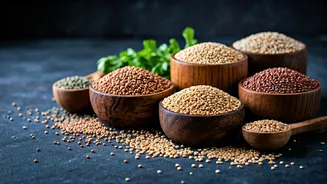
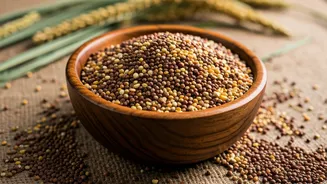
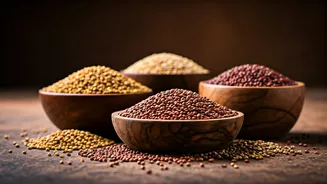
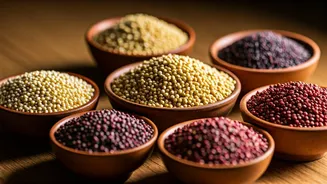
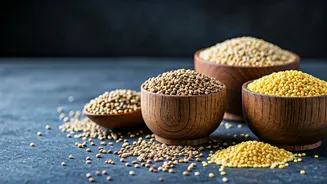
Millets are packed with an impressive array of nutrients. They are a rich source of protein, dietary fibre, and essential minerals like magnesium, iron, calcium, and potassium. [2, 8] For instance, Ragi (finger millet) is renowned for its high calcium content,
which is crucial for bone health. [3, 6] Bajra (pearl millet) is loaded with iron, helping to combat anaemia. [6, 12] These grains also contain antioxidants that help protect your body from harmful free radicals. [5, 11] Compared to more common cereals like rice and wheat, millets offer a superior nutritional profile, which is why they are often called 'nutri-cereals'. [3, 18]
Excellent for Blood Sugar Management
One of the most significant health benefits of millets is their low glycemic index (GI). [2, 5] This means they release sugar into the bloodstream slowly, preventing the sudden spikes that can occur after eating refined grains like white rice. [26] The high fibre content further aids in slowing down digestion and absorption of carbohydrates. [23, 25] This makes millets an ideal food for people with diabetes or those looking to manage their blood sugar levels effectively. [7, 24] Studies have shown that replacing rice-based meals with millet-based ones can lead to lower post-meal blood sugar levels. [5, 26]
Naturally Gluten-Free
For a growing number of people with celiac disease or gluten sensitivity, finding suitable grain options can be a challenge. Millets are naturally gluten-free, making them a safe and healthy alternative to wheat, barley, and rye. [5, 8] This allows individuals to enjoy a variety of traditional Indian dishes like rotis, dosas, and upma without the digestive discomfort associated with gluten. [14, 28] From Jowar (sorghum) roti to Ragi dosa, the options are plentiful and delicious. [21, 28]
Champions of Digestive Health
The high dietary fibre content in millets works wonders for the digestive system. [2] They contain both soluble and insoluble fibre. Insoluble fibre acts as a prebiotic, supporting the growth of beneficial bacteria in your gut, while also adding bulk to stools, which helps prevent constipation. [4] Regular consumption can help maintain a healthy gut microbiome, which is linked to overall immunity and well-being. [2, 23]
A Friend to the Planet
The benefits of millets extend beyond personal health to environmental well-being. These are hardy crops that are incredibly resilient. They require significantly less water than rice and wheat, making them ideal for India's arid and semi-arid regions. [9, 17] Millets are also naturally resistant to many pests and diseases, reducing the need for chemical fertilisers and pesticides. [9, 16] By choosing millets, you are not only making a healthy choice for your body but also supporting sustainable agriculture that conserves water, improves soil health, and reduces our carbon footprint. [13, 15]
Incredibly Versatile in the Kitchen
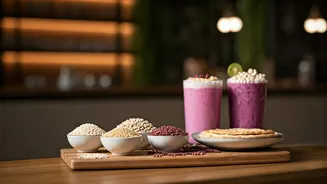
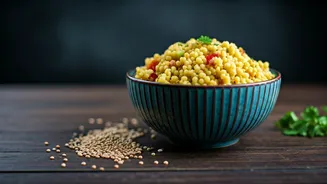
The culinary possibilities with millets are endless. For centuries, they have been a cornerstone of Indian regional cuisine. [19] Bajra rotis are a winter staple in Rajasthan and Gujarat, while Ragi mudde is a beloved dish in Karnataka. [12, 14] Today, chefs and home cooks are rediscovering their versatility. [27] You can use them to make everything from breakfast porridge and upma to hearty khichdi, pulao, and even desserts like kheer and halwa. [21, 28] Their slightly nutty flavour and varied textures add a new dimension to everyday meals.