





The Plan for Fee-Free Travel
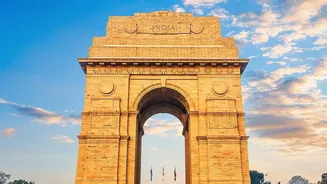
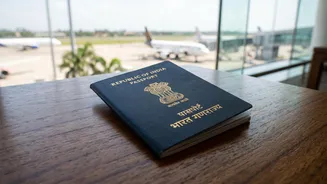
During the 23rd ASEAN-India Summit in Manila on November 17, 2026, Prime Minister Narendra Modi unveiled the proposal to offer free electronic tourist visas to citizens of the Association of Southeast Asian Nations (ASEAN). It is important to note that
this is a waiver of the visa fee, not an elimination of the visa process itself. Travellers would still need to apply for and obtain an e-visa through India's official online portal before their journey. The plan covers all 11 member states: Brunei, Cambodia, Indonesia, Laos, Malaysia, Myanmar, the Philippines, Singapore, Thailand, Timor-Leste, and Vietnam.
Harmonising an Existing Policy
This proposal aims to create a more consistent visa policy for the entire ASEAN bloc. Currently, India's e-visa fee structure for these nations is varied. Citizens of Indonesia and Myanmar already enjoy free e-tourist visas for multiple durations. Similarly, travellers from Malaysia, the Philippines, and Thailand are eligible for a free 30-day e-tourist visa, though they must pay for longer stays. However, citizens of Brunei, Cambodia, Laos, Singapore, Timor-Leste, and Vietnam currently pay fees that range from $10 to $25 for a 30-day visa, depending on the season, and up to $200 for a five-year visa. If implemented, the new proposal would extend this fee waiver to all ASEAN nationals, simplifying and standardising the policy across the region.
More Than Just Tourism
The visa fee waiver is a cornerstone of a much broader strategy to strengthen the ASEAN-India Comprehensive Strategic Partnership. The announcement was one of nine initiatives proposed by India to deepen cooperation in areas like maritime security, disaster management, digital technology, and youth exchanges. This move is a clear part of India's 'Act East' policy, which has evolved from a focus on economic ties to a more action-oriented and strategic engagement with the region. By making travel more accessible, India aims to foster greater people-to-people connections, which are seen as a vital component of this diplomatic push.
A Boost for Local Economies
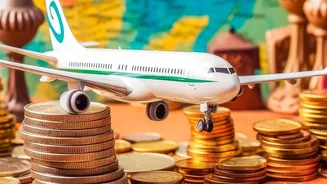
Waiving visa fees is expected to provide a significant stimulus to India's tourism sector. Lowering the cost of entry is a proven method to attract more visitors, which in turn boosts revenue for airlines, hotels, restaurants, and local tour operators. The tourism and hospitality sectors, which were severely impacted by past global disruptions, have welcomed such initiatives as a strong signal of confidence and a pillar for economic recovery. With ASEAN countries representing a large and growing outbound tourism market, this policy could lead to a substantial increase in arrivals and foreign exchange earnings, supporting livelihoods across the country.
From Proposal to Policy
While the announcement has generated excitement, it is crucial to remember that this is still a proposal. The Indian government has not yet provided a specific timeline for implementation. Typically, such a policy change requires coordination and approval from several government bodies, including the Ministries of Home Affairs, External Affairs, and Finance, to address administrative and security considerations. Observers are now watching for official notifications that will provide details on the start date and any specific eligibility conditions. For now, the proposal stands as a strong statement of intent in India's engagement with its eastern neighbours.