







Why a Protein-Packed Breakfast Matters
Starting your day with protein isn't just a fitness trend; it's a science-backed strategy for better health. A high-protein breakfast helps regulate blood sugar levels, preventing the mid-morning energy crash often associated with carb-heavy meals like
poha or parathas. This stable energy release improves focus and cognitive function. Furthermore, protein promotes satiety, keeping you feeling full and satisfied for longer, which can reduce cravings and prevent overeating later in the day. For those with an active lifestyle, a morning protein intake is crucial for muscle repair and synthesis after an overnight fast.
Sattu: The Original Indian Superfood
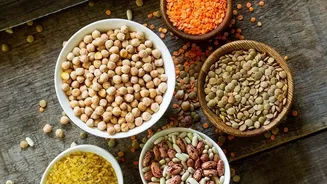
Long before whey protein tubs lined kitchen shelves, there was sattu. This humble flour, made from roasted Bengal gram (chana), is a nutritional champion deeply rooted in Indian tradition, especially in states like Bihar and Uttar Pradesh. What makes it perfect for a modern breakfast is its impressive protein content—around 20-25 grams per 100g, which is more than eggs. Unlike many plant-based proteins, sattu offers a nearly complete amino acid profile. It's also rich in dietary fibre, which aids digestion and promotes gut health, and essential minerals like iron and magnesium that combat fatigue and support bone health. Its low glycemic index ensures a slow release of energy, making it an excellent choice for sustained stamina.
Simple Sattu Breakfast Ideas
Incorporating sattu into your morning routine is incredibly simple. The most classic preparation is a refreshing sattu drink. Just mix a few tablespoons of sattu powder in a glass of water, add a squeeze of lemon, a pinch of black salt, and roasted cumin powder. For a sweeter version, you can blend it with milk or yogurt and a touch of jaggery or honey to create a nourishing smoothie. If you prefer a warm breakfast, sattu can be made into a porridge, similar to oatmeal. Simply cook it with water or milk until it thickens and top it with nuts and seeds for extra crunch and nutrients.
Sprouted Legumes: A Bowl of Living Energy
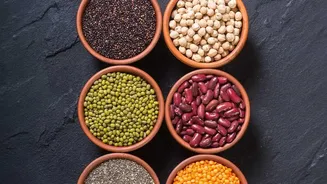
Sprouted legumes, particularly moong beans, are another traditional food finding new life in contemporary breakfast bowls. The process of sprouting transforms the legume, making its nutrients more available to the body. Sprouting increases the bioavailability of protein and boosts the levels of vitamins and minerals. While most single legumes are not a 'complete' protein, they become one when paired with grains or seeds. A sprouted moong bowl is light on the stomach yet packed with fibre and low in calories, making it ideal for weight management.
Crafting Your Perfect Sprouted Legume Bowl
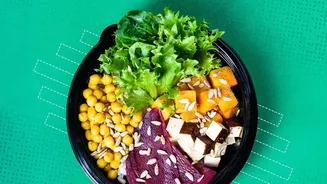
Creating a delicious sprouted legume bowl is all about fresh ingredients and vibrant flavours. Start with a base of boiled or steamed sprouted moong beans. For a simple and classic 'kosambari' style salad, add finely chopped cucumber, tomatoes, onions, and fresh coriander. A tempering of mustard seeds and a generous squeeze of lime juice bring it all together. You can customize your bowl by adding other vegetables like grated carrots or bell peppers, fruits like pomegranate seeds for a sweet crunch, or a handful of roasted peanuts. For a more filling meal, toss in some paneer or tofu cubes.