


The Great Breakfast Rethink
For generations, Indian breakfast has been a diverse and flavourful affair, from fluffy idlis in the South to hearty parathas in the North. While delicious, many traditional options are predominantly carbohydrate-heavy. Today, a significant shift is underway.
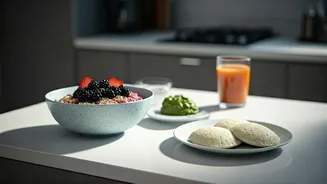
[18] Amid rising health consciousness and a greater understanding of nutrition, many Indians are rethinking their first meal of the day. [7] The focus is moving from simply filling up to fuelling the body effectively. This change isn't about abandoning tradition but rather adapting it to modern lifestyles that are often more sedentary and demanding in different ways. [18] Nutritionists note that while homemade meals are generally better, some traditional breakfasts can lead to energy crashes due to an imbalance of nutrients. [18, 21] The new trend is about creating a balanced plate that includes adequate protein, fibre, and healthy fats to ensure sustained energy and better focus throughout the morning. [14, 15]
Millets Make a Major Comeback
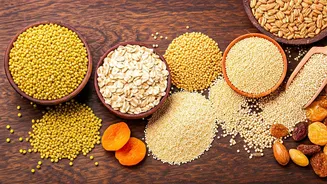
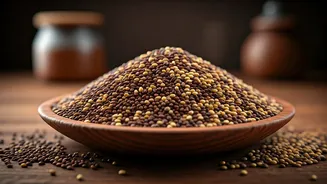
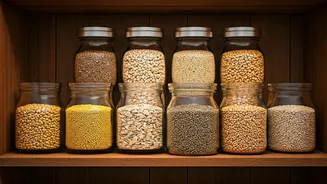
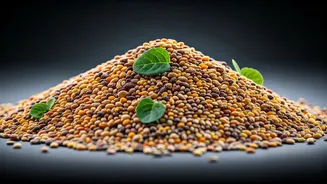
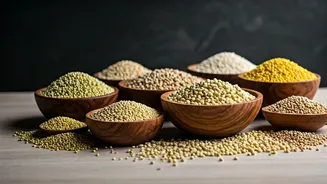
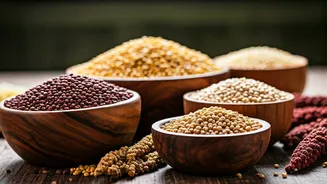
Once considered a humble 'poor man's grain', millets are now celebrated as a superfood and are at the forefront of this breakfast revolution. [24] Grains like ragi (finger millet), jowar (sorghum), and bajra (pearl millet) are making a powerful comeback. [24] Their resurgence is driven by their impressive nutritional profile; they are naturally gluten-free, rich in protein, fibre, and essential minerals like calcium and iron. [22, 25] With a lower glycemic index compared to refined grains like rice and wheat, millets provide a slow and steady release of energy, preventing the dreaded mid-morning slump. [10, 20] This has led to innovative breakfast products, from millet-based muesli and cereals to modern takes on traditional dishes like ragi dosas and millet upma. [4, 23] This trend is supported by both a push from the government, which has promoted millets as 'Shree Anna' (esteemed grain), and a pull from consumers who are increasingly seeking sustainable and nutrient-dense food choices. [22, 24]
Protein Takes Centre Stage
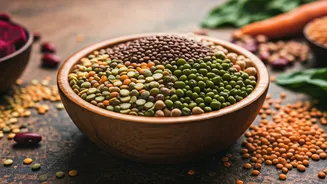
A key criticism of many traditional Indian breakfasts has been the lack of sufficient protein. [18] That is changing fast. There is a growing mainstream conversation around the importance of protein, especially in the first meal of the day, to support everything from muscle health to sustained energy. [2, 15] People are actively finding ways to 'hack' their breakfast by incorporating more protein. [18] This includes simple additions like a side of boiled eggs, paneer bhurji, or a bowl of sprouts. [14, 15] Lentil-based pancakes like moong dal chilla or besan chilla (made from chickpea flour) are also gaining immense popularity as a protein-packed and flavourful option. [3, 8] Even classics are getting a protein boost; poha is being served with added peanuts and sprouts, and idlis are being paired with sambar rich in lentils and vegetables. [4, 3]
Ancient Wisdom, Modern Twists
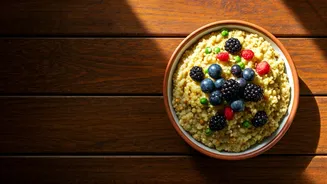
The healthy breakfast trend in India is not about completely replacing old habits with new ones but about intelligent evolution. Many are rediscovering the inherent health benefits of traditional foods and preparation methods. Fermented foods like idli, dosa, and dhokla are now recognized for their probiotic qualities that support gut health. [3, 20] However, they are being updated. For instance, instead of just rice, batters are now made with oats, ragi, or quinoa to enhance their fibre and nutrient content. [4, 19] Spices traditionally used for flavour, like turmeric and ginger, are now also appreciated for their anti-inflammatory and digestive benefits. [16] The wisdom of pairing foods for better nutrition, like squeezing lemon on poha to improve iron absorption, is also becoming more widespread. [4] This blend of ancient knowledge with modern nutritional science is creating a breakfast landscape that is both comforting and consciously healthy. [5, 6]