


More Than Just Flour and Water
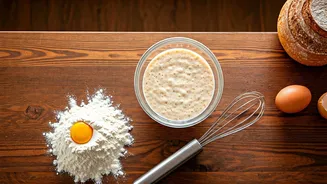
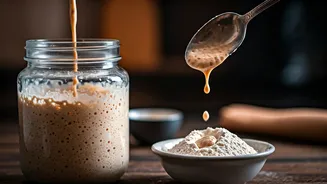
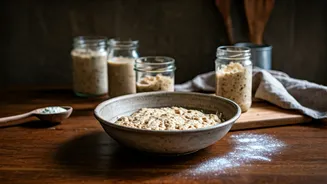
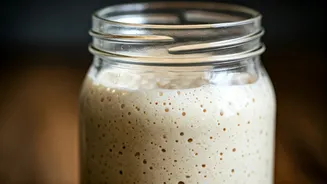
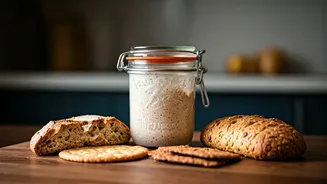
First, it’s important to understand what a sourdough starter actually is. It’s not just a simple mix of flour and water; it’s a living, breathing ecosystem. A starter is a symbiotic culture of wild yeasts and friendly bacteria (lactobacilli) captured
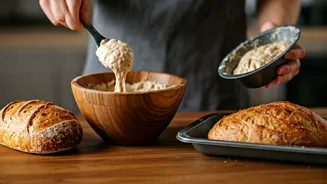
from the environment—the flour, the air, and even the baker's hands. The yeast produces carbon dioxide, which makes bread rise, while the bacteria create lactic and acetic acids, giving the bread its signature tangy flavour and helping to preserve it. When bakers talk about feeding their starter, they are literally providing nourishment to keep this microbial colony alive and healthy. Discarding a portion is a necessary part of this process to keep the starter from becoming unmanageably large and overly acidic, which would harm the yeast. But throwing it away feels like tossing out a living thing, which is where the taboo begins.
A Link to History and Tradition
Sourdough baking is an ancient craft. For most of human history, it was the only way to make leavened bread. The practice dates back thousands of years, with the oldest evidence found in Egypt around 1500 BCE. In an era before commercial yeast was isolated in the 19th century, a starter was a precious resource. This history is deeply embedded in baking culture. During the California Gold Rush, prospectors were nicknamed "sourdoughs" because they carried and protected their starters as a lifeline for food in the wilderness, sometimes sleeping with the jar to keep it from freezing. This mindset of preservation and resourcefulness persists. Throwing away a part of this historical process feels disrespectful to the generations of bakers who relied on it for survival.
An Emotional and Personal Connection
Many bakers develop a surprisingly deep, personal bond with their starters. They give them names, talk to them, and treat them almost like a family pet or a houseplant. This is because a starter is a dynamic entity that responds to its environment—the temperature of your home, the type of flour you use, and your unique feeding schedule. Some starters become treasured family heirlooms, passed down through generations, carrying with them stories and a tangible connection to one's ancestors. There are famous starters, like the one at San Francisco's Boudin Bakery, which has reportedly been kept alive for over 170 years, even surviving the 1906 earthquake. While the microbes in a starter evolve over time, the story and sentimental value are irreplaceable. Discarding it feels like breaking a link in that chain.
The Modern Drive for Sustainability
In today’s world, there's a growing awareness around food waste. For the modern baker, who is often drawn to sourdough for its natural, back-to-basics appeal, throwing away perfectly good flour and water feels inherently wasteful. The discard might be 'inactive' in terms of leavening power, but it is rich in flavour and nutrients, including B vitamins and minerals. It represents food, effort, and resources. The ethos of sustainability that attracts many to home baking is directly at odds with the idea of routinely tossing out a usable byproduct. This practical and ethical consideration is a major reason why modern bakers go to great lengths to avoid the bin.
From Discard to Delicacy
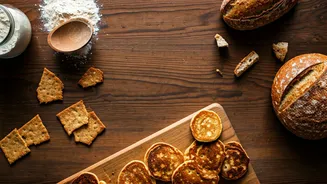
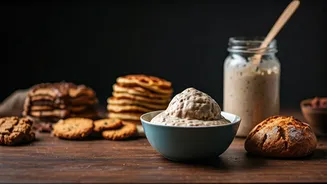
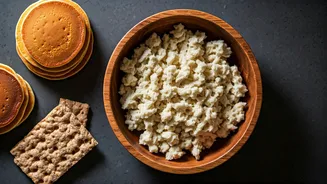
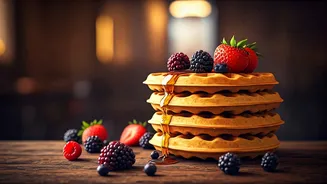
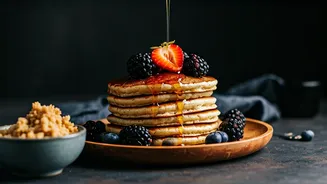
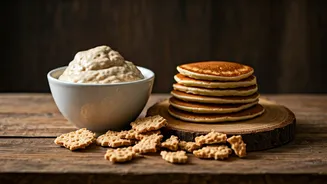
Fortunately, the 'discard' in sourdough is a misnomer. It’s not waste; it’s an ingredient. The modern taboo against throwing away starter is reinforced by the endless creative possibilities for using the discard. It adds a complex, tangy flavour and a tender texture to a huge variety of recipes where it doesn't need to provide lift. Bakers use their discard to make everything from pancakes, waffles, and biscuits to crackers, pizza crusts, and flatbreads. It can be incorporated into sweet treats like brownies, cookies, and cakes, lending a surprising depth of flavour. By reimagining discard as a flavour-enhancing ingredient, bakers transform an act of maintenance into an opportunity for culinary creativity, ensuring nothing goes to waste.