






A Shift from Minimalist to Meaningful
For years, the dominant aesthetic was clear: clean lines, neutral palettes, and a less-is-more philosophy. But for a growing number of young Indians, that sparse look is being replaced by something with more soul. Gen Z is spearheading a return to tradition,
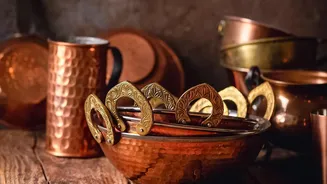
but with a contemporary twist. Instead of generic, mass-produced decor, they are consciously choosing handcrafted pieces that tell a story. This isn't about creating a museum-like home filled with antiques; it's about curating a personal space that reflects identity and heritage. Picture sleek, modern chairs at a grand rosewood dining table, or a traditional brass urli filled with floating flowers on a minimalist console. It’s a design language that feels both personal and deeply rooted.
The Allure of Authenticity and Sustainability
So, what’s driving this shift? It’s a mix of values that define this generation. Firstly, there's a strong desire for authenticity in a digitally saturated world. Handmade items, with their subtle imperfections and tangible human touch, offer a grounding contrast to online life. Secondly, sustainability is no longer a niche concern but a core value. Gen Z is acutely aware of the environmental cost of fast fashion and, by extension, fast decor. Choosing a durable, handcrafted brass lamp or a hand-woven textile over a factory-made equivalent is a conscious act of responsible consumption. It's about buying fewer, better things that are made to last for generations, directly supporting artisanal communities in the process.
How Brass Fits in a Compact Home
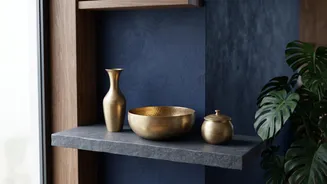
One might wonder how ornate, traditional items fit into the limited square footage of a typical city apartment. The key is strategic and mindful placement. Gen Z isn't cluttering their spaces. Instead, they use brassware as statement accents that add warmth and character. A single, elegant brass statue of a dancer can elevate an entire bookshelf. Small touches like brass t-light holders, intricately carved wall hooks, or a decorative peacock diya can bring a golden glow to a room without overwhelming it. These pieces work beautifully against both neutral walls and bold accent colours, proving that traditional design can be incredibly versatile in a modern context. Their reflective surfaces also help make small spaces feel brighter and more dynamic.
The Instagram Effect: Curating Culture Online
Social media platforms, particularly Instagram, have played a huge role in popularising this trend. Decor influencers and everyday users alike are sharing images of their homes, where traditional Indian crafts are the stars. A well-styled shot of a brass planter or a gallery wall featuring Dhokra art can spark inspiration globally. This digital visibility does more than just set trends; it creates a virtual marketplace, allowing artisans to connect directly with a new generation of buyers. Seeing these traditional items in real, lived-in homes demystifies them, showing how a piece with deep cultural significance—like a Nandi sculpture or a Kalpavriksha wall hanging—can be a cherished part of a contemporary home.
More Than a Trend: A Cultural Reconnection
Ultimately, the embrace of traditional brassware and handicrafts is more than just a fleeting decor trend; it's a quiet cultural movement. For a generation that has grown up in a globalised world, these objects serve as a tangible link to their roots. Incorporating items that are considered auspicious or have been part of Indian households for centuries, like diyas and idols, is a way of building a home that feels not just stylish, but also safe, positive, and grounded. It's a statement that luxury isn't about expensive logos, but about authenticity, craftsmanship, and heritage. This new aesthetic demonstrates a thoughtful blending of past and present, creating spaces that are unique, sustainable, and full of personal meaning.