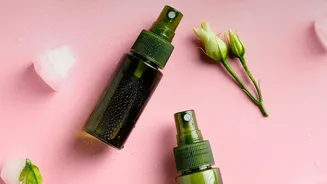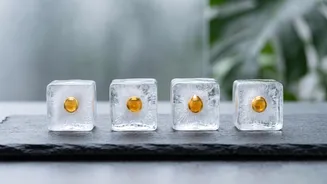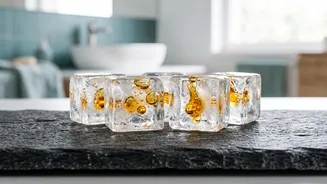




The latest viral beauty hack to flood social media involves freezing retinol into ice cubes for a frosty facial. While the allure of combining the power of retinol with the depuffing magic of ice is strong, experts are raising red flags.
The Trend: Icy Facials Get an Upgrade
Skin icing, the
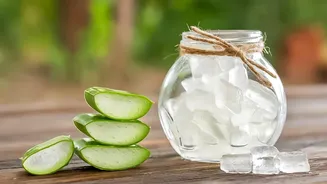
practice of rubbing ice over your face, has been a DIY beauty secret for years. Proponents claim it reduces puffiness, especially under the eyes, minimizes the appearance of pores, and gives the skin a radiant glow by constricting blood vessels. It's a simple, affordable trick often used to wake up tired skin. Recently, this trend got a supercharged twist: adding active ingredients like retinol to the water before freezing. The idea is to deliver the anti-ageing, acne-fighting benefits of retinol along with the soothing, tightening effects of the cold. On the surface, it sounds like the ultimate two-in-one treatment.
The Cold, Hard Truth About Freezing Retinol
Here's where the science gets tricky. Retinol, a derivative of vitamin A, is a notoriously unstable ingredient. It degrades when exposed to light, air, and heat. While some sources suggest refrigeration can extend the life of certain retinoid products, freezing is a different story. Freezing can destabilize the carefully crafted formula of a commercial retinol product, potentially breaking down the active ingredient and rendering it useless. One dermatologist warns that freezing can 'irreversibly destroy potency'. Furthermore, cosmetic manufacturers conduct 'freeze-thaw' cycle tests to ensure their product emulsions remain stable, a process that homemade concoctions skip entirely. So, while you might feel the cold, you likely won't get the retinol benefits you're hoping for.
More Than Just Ineffective: The Risks
The problem with DIY skincare ice cubes isn't just that they might not work; they can be actively harmful. Applying ice directly to your skin can lead to ice burns, frostbite, or damage to your skin's natural protective barrier. This is why experts always recommend wrapping an ice cube in a soft cloth rather than applying it directly. For those with sensitive skin, rosacea, or visible broken capillaries, the extreme cold can worsen redness and irritation. In some cases, the rapid constriction and dilation of tiny blood vessels can cause them to break, leading to permanent spider veins.
The Dangers of Homemade Concoctions
Beyond the risks of the ice itself is the issue of the homemade mixture. When you mix a product like a retinol serum with water and freeze it in a standard ice tray, you introduce a high risk of bacterial contamination. Your freezer and ice trays are not sterile environments. This can lead to skin infections and breakouts, ironically undoing any potential benefits. Skincare products are formulated by chemists with precise concentrations and preservatives to ensure they are both effective and safe for the duration of their shelf life. Disrupting these formulas by diluting and freezing them is a gamble that dermatologists advise against.
What Experts Recommend Instead
If you want the benefits of retinol, use a properly formulated product as directed. These products are designed for stability and effective delivery to the skin. Start with a low concentration a few times a week and gradually increase as your skin builds tolerance to avoid irritation. If you enjoy the depuffing and soothing effects of cold therapy, there are safer ways to achieve it. You can store your favorite hydrating serums or eye creams in a skincare fridge (not the freezer!), or use chilled facial rollers and globes. These tools provide the cooling sensation without the risk of ice burn or destabilizing your products. For a simple ice facial, always wrap the ice cube in a clean, thin cloth and gently massage it over your face for no more than a minute or two, keeping it constantly moving.