





The Halwa We Know and Love
For generations of Indians, Gajar ka Halwa is not just a dessert; it's a feeling. It's the taste of winter mornings, the reward after a festive meal, and a comforting bowl of warmth lovingly prepared by mothers and grandmothers. Traditionally, it’s a slow-cooked
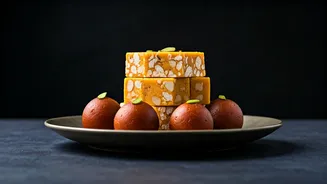
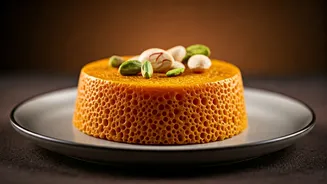
delicacy where grated carrots are patiently simmered in milk until the mixture reduces to a rich, fudgy consistency. [14, 15] Spiked with cardamom, sweetened with sugar, and enriched with ghee and nuts, every spoonful is a decadent, aromatic experience. [16, 7] It’s almost always served steaming hot, a perfect antidote to a chilly day.
A Chilled Reinvention
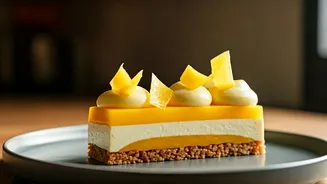
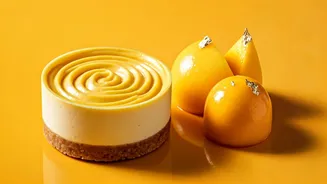
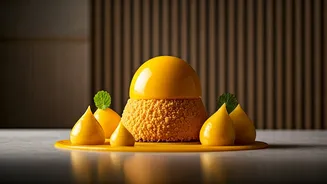
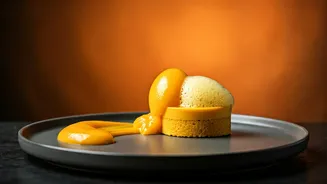
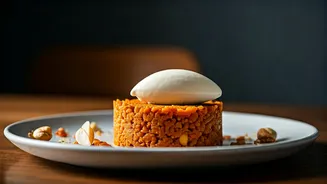
Now, enter the modern twist that’s been popping up on food blogs and in fusion-forward restaurants: cold carrot halwa. Some interpretations feature the halwa molded into elegant cups or bars and served chilled, often paired with ice cream. [4, 17] Others deconstruct the entire concept, presenting it in layers within a parfait glass. [3] The most common partner in this new-age pairing is a simple, classic vanilla gelato or ice cream. [1, 21] The idea is to create a delightful contrast—the familiar earthy sweetness of the halwa against the cool, creamy neutrality of the vanilla. [1] This isn't just about temperature; it's about recontextualizing a beloved dessert for a new palate and a different season.
The Innovators' Kitchen
This trend is part of a larger movement in modern Indian cuisine, where chefs and home cooks are fearlessly experimenting with traditional recipes. [11] The goal isn't to erase tradition, but to build on it. By serving carrot halwa cold, they are making it more approachable as a year-round dessert, moving it beyond its winter-specific identity. Some bloggers have even gone a step further, creating no-churn 'Gajar Halwa Ice Cream', where the flavors of the halwa are directly infused into a frozen dessert. [2, 5, 6] This is seen as a way to innovate while respecting the original flavor profile, creating something that is both nostalgic and novel. [19]
Tradition vs. Transformation
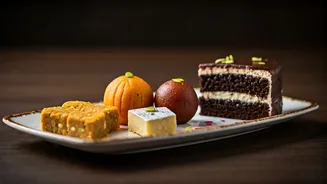
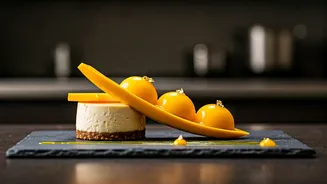
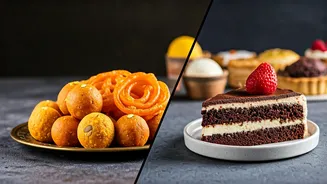
Of course, not everyone is on board. For culinary purists, tinkering with a classic like Gajar ka Halwa can feel like sacrilege. They argue that the warmth is integral to the experience, and serving it cold strips it of its comforting soul. However, proponents of fusion see it differently. They argue that food culture is never static. [12] Just as Indian cuisine has absorbed influences for centuries, today’s chefs are blending Indian flavors with global techniques and presentations. [13] This creative wave has given us everything from Gulab Jamun Cheesecake to Rasmalai Tiramisu. [12] The cold carrot halwa trend is simply another example of this exciting culinary dialogue.
A Place for Both?
Ultimately, the debate over hot versus cold halwa highlights a beautiful aspect of food: its ability to evolve. The rise of fusion desserts shows a generation that is proud of its culinary heritage but also eager to experiment. [9, 10] They understand that creating a 'deconstructed' or 'chilled' version doesn't erase the original; it simply adds a new chapter to its story. The traditional, hot Gajar ka Halwa will always be there, a cherished memory on a cold day. [22] But for a warm summer evening, a chilled carrot halwa parfait with a scoop of vanilla ice cream might just be the perfect, unexpected treat. [18] It’s a testament to the fact that a good recipe, like a good story, can be told in more than one way.