


Your Pocket Planetarium
Real-time sky guides are mobile applications that turn your phone into a dynamic window to the universe. Using your device's built-in GPS, compass, and clock, these apps create an accurate map of the sky exactly as it appears above you. When you point
your phone towards a bright dot in the night, the app can identify it instantly, whether it's a distant planet, a familiar star, or a fleeting satellite. Many of these apps feature an augmented reality (AR) mode, which overlays star charts and information directly onto your camera's view of the real sky, creating a seamless and interactive experience. This technology removes the guesswork that once made astronomy intimidating for newcomers, eliminating the need to fumble with paper star charts in the dark.
From Casual Glance to Active Discovery
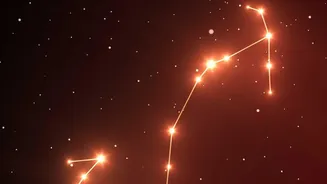
The true magic of these guides lies in how they transform a passive hobby into an active one. Instead of just admiring the view, you can actively identify constellations and learn the mythology behind their names. These apps are packed with detailed information on celestial objects, from the names and distances of stars to the launch dates of satellites like the International Space Station (ISS). Many apps also include calendars for upcoming celestial events, sending you notifications for meteor showers, eclipses, or optimal planet-viewing nights. This proactive approach means you'll never miss a celestial event happening right above your home. For beginners, it's a game-changer, offering a guided tour of the cosmos without needing expensive equipment.
Popular Guides to Get You Started
The number of available apps can feel overwhelming, but a few consistently stand out for their features and ease of use. Star Walk 2 is often praised as a great option for beginners, thanks to its beautiful design and user-friendly interface. For those who want simplicity without too many frills, SkyView Lite offers a free and intuitive AR experience to quickly identify objects. Stellarium Mobile is another powerful choice, celebrated for its massive database of stars, planets, and deep-sky objects, making it a favorite among both new and serious hobbyists. While many excellent apps are free or offer free versions, some have paid tiers that unlock advanced features like telescope control or deeper object catalogues for dedicated enthusiasts.
Tips for Your First Night Out
To make the most of your new cosmic guide, a little preparation goes a long way. First, try to get away from the light pollution of the city; a darker sky reveals exponentially more stars. Once you're in a good spot, give your eyes about 15-20 minutes to adjust to the darkness. To preserve your night vision, enable the "red light" or "night mode" feature in your app, which tints the screen red to minimize harsh white light. Before you head out, check the app's calendar for any interesting events, like an ISS pass or a visible planet. Finally, remember that these apps can drain your phone's battery, so make sure you're fully charged or bring a portable power bank, especially if you plan to be out for a while.