

Ghent, Belgium: Beyond the Postcard Canals
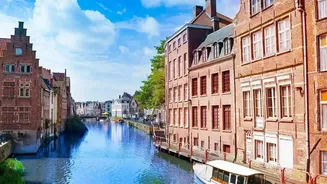
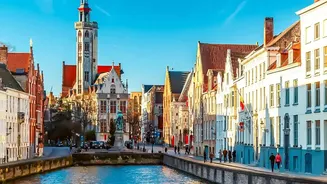
While Bruges gets much of the attention, nearby Ghent offers a more lived-in, vibrant alternative. Most visitors flock to the stunning Graslei and Korenlei quays, but the city’s true character shines elsewhere. Wander into the Patershol neighbourhood,
a maze of cobblestone streets that feels like stepping back into the Middle Ages. Once a working-class area, it’s now home to cosy, independent restaurants and charming pubs away from the main tourist flow. For a dose of modern culture, seek out 'Graffiti Street' (Werregarenstraat), a sanctioned alleyway where street artists are free to create an ever-changing canvas of vibrant murals. To truly feel like a local, rent a kayak and see the city from its waterways, paddling beyond the main tour boat routes to discover quiet corners of the city.
Bologna, Italy: The Foodie Capital’s Local Heart
Known as Italy's gastronomic capital, Bologna offers a delicious escape from the crowds of Florence or Venice. While Piazza Maggiore is magnificent, the city's culinary and social life is best experienced in the areas surrounding it. Dive into the Quadrilatero, the ancient market district just off the main square. While it attracts tourists, it remains a working market where locals shop for produce, cheese, and fresh pasta. For a truly authentic experience, head to Mercato delle Erbe, a covered market slightly west of the centre, where you can grab lunch alongside residents. In the evening, explore the student-filled Pratello district, known for its bohemian vibe, laid-back bars, and affordable trattorias that offer a genuine taste of Bolognese life. Another option is the Bolognina neighbourhood, a multicultural and up-and-coming area behind the train station with a vibrant market and diverse eateries.
Ljubljana, Slovenia: Green Spaces and Alternative Culture
Slovenia's capital is one of Europe's greenest and most charming cities, but its appeal extends far beyond the famous Triple Bridge and Ljubljana Castle. To see a different side of the city, head east from the centre to Metelkova Mesto. This former military barracks has been transformed by artists into a vibrant autonomous cultural centre, covered in colourful murals, mosaics, and quirky sculptures. By day, it’s a fascinating open-air gallery; by night, it comes alive with bars and live music venues. For a peaceful retreat, escape to Tivoli Park, a sprawling green space just a few minutes' walk from the old town. Here, you can wander along the Jakopič Promenade, visit the greenhouse gardens, and relax by the ornamental pond, joining locals as they jog, walk their dogs, and escape the city buzz.
Porto, Portugal: Seaside Charm and Artsy Vibes
Porto's Ribeira district is undeniably beautiful, but its popularity can be overwhelming. To escape the crowds, follow the Douro River west towards the sea. Take the historic number 1 tram to Foz do Douro, where the river meets the Atlantic. This seaside neighbourhood is where Porto residents go to walk along the promenade, relax on the beaches, and eat fresh seafood at restaurants that cater to local families, not just tourists. Alternatively, explore the Cedofeita neighbourhood, known as Porto’s art district. Here you’ll find contemporary galleries, concept stores, and trendy cafés. For a quieter viewpoint than the bustling Dom Luís I Bridge, head to the gardens of the Palácio de Cristal for stunning, crowd-free views over the river.