



Start Before the Wash
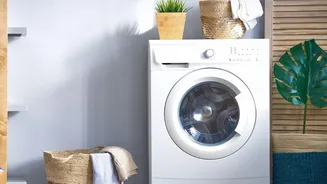
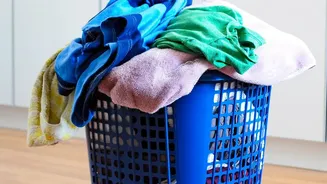
The battle against monsoon mustiness begins before your clothes even touch the water. First, don't let damp or rain-soaked clothes pile up in the laundry basket for days. Wash them as soon as possible to prevent mildew and bacteria from setting in. When
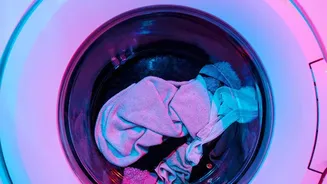
you do run a load, keep it small. Overloading the washing machine prevents proper rinsing, leaving behind detergent and sweat residue that feeds odour-causing bacteria. Smaller loads also allow for more effective spinning, which is crucial for removing excess water. For fabrics that are already smelling a bit off, consider adding half a cup of white vinegar or baking soda to the wash cycle. Vinegar acts as a natural antibacterial agent and fabric softener, while baking soda is an excellent deodoriser. However, use them separately, as they can neutralise each other if combined.
Master the Spin Cycle
Your washing machine's spin cycle is your most powerful ally during the rainy season. Using the highest spin speed your fabric can safely handle is a non-negotiable step. A powerful spin can remove a significant amount of water, drastically cutting down the time your clothes need to hang indoors. Many experts suggest running an extra spin cycle, especially for heavier items like towels and jeans. This simple, quick step ensures that clothes are as dry as possible before you even think about hanging them, which is half the battle won against dampness.
Create an Indoor Drying Zone
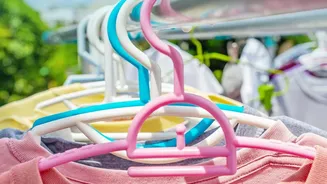
With outdoor drying off the table, creating an effective indoor setup is key. The most important factor is airflow. Hang clothes on a rack with ample space between each item; don't let them touch or overlap. Using individual hangers for shirts and kurtas can also improve air circulation. Position the drying rack in a well-ventilated room, preferably near a window or under a ceiling fan to keep the air moving. Avoid drying clothes in unventilated bathrooms or kitchens, which are already high in moisture. If possible, placing the rack in a room with an air conditioner or a dehumidifier running will speed up the process immensely. Even a simple pedestal fan aimed at the clothes can make a huge difference.
Leverage Household Helpers
Several household appliances can be repurposed to aid your drying efforts. A dehumidifier is perhaps the most effective tool, as it works by pulling excess moisture directly from the air, creating a less humid environment that allows clothes to dry faster. For best results, place the dehumidifier in a small, closed room with the drying rack. Once clothes are about 90% dry, a quick pass with a hot iron can eliminate any remaining dampness, especially in thick seams and collars. This not only ensures they are completely dry but also kills any lingering germs. For small damp patches on an outfit you need in a hurry, a hairdryer can provide a quick fix.
Banish Odours and Store Smart
Even with careful drying, high humidity can make stored clothes smell stale. The key is to ensure every item is bone-dry before it goes into the wardrobe. To combat moisture inside your closets, place moisture absorbers like silica gel packets, chalk, or a small bowl of baking soda on the shelves. Camphor balls are another traditional and effective option. Regularly airing out your wardrobe by leaving the doors open for about an hour can also prevent the buildup of stagnant, musty air. If you find a garment has developed a musty smell despite your best efforts, re-washing it is more effective than trying to mask the odour with perfume, which can often make it worse.