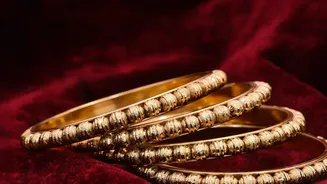







Deconstructing the Jewellery Price Tag
When you buy a piece of gold jewellery, the final price on your bill is a sum of several parts. The biggest component is, of course, the value of the gold itself, determined by its weight, purity (karat), and the prevailing market rate. But that's not
all. Jewellers add 'making charges' for craftsmanship, and sometimes 'wastage charges' for gold lost during the process. On top of this entire value, a Goods and Services Tax (GST) is applied, which is currently 3% on the value of the gold and 5% on the making charges. Understanding these components is the first step to knowing why the resale price is different.
What Exactly Are Making Charges?
Making charges are the fees for the labour and skill required to transform raw gold into the intricate piece of jewellery you buy. This cost covers everything from designing the ornament to the detailed work of cutting, soldering, and polishing. These charges can be calculated in two main ways: as a percentage of the gold's value, or as a fixed rate per gram of gold. Making charges in India can range from as low as 3% for simple, machine-made items like plain chains, to over 25% for complex, handcrafted designs like temple jewellery or Kundan work. Reputable brands may also charge more for their established craftsmanship and quality assurance.
The Resale Reality: Why Making Charges Are Not Refunded
Here's the crucial part: when you sell your old jewellery, the buyer is almost always interested in the raw material—the gold itself. They are not paying for the design or the labour you originally funded. The jewellery will typically be melted down and refined to extract pure gold, which is then sold as bullion or used to create new pieces. From the buyer's perspective, the original craftsmanship has no commercial value in the resale process. Consequently, the making charges, which were a fee for a service, are a sunk cost and are not refunded. The same applies to the GST you paid at the time of purchase; it is a tax that is not recoverable upon resale.
How to Be a Smarter Gold Buyer
While you can't avoid making charges entirely, you can certainly minimize them. If your primary goal is investment, consider buying gold coins or bars, which have significantly lower making charges than jewellery. When buying ornaments, opt for simpler, machine-made designs over intricate, handmade ones, as they tend to have lower charges. Always compare making charges across different jewellers, as they can vary widely. Don't hesitate to negotiate, especially during festive seasons or for larger purchases. Finally, always insist on a detailed, itemised bill that clearly separates the gold cost, making charges, and GST. This transparency helps you know exactly what you're paying for.
Maximising Your Return When Selling
When it's time to sell, your aim is to get a price as close to the day's market rate for your gold's purity as possible. The value you receive will be based on the net weight of pure gold in the item after deducting the weight of any stones or other materials. It's often a good idea to first approach the same jeweller you bought from, as they may offer a better buy-back rate. However, don't stop there; get quotes from multiple reputable buyers to ensure you're getting a competitive price. Always ensure the weighing and purity testing are done transparently in your presence. Being an informed seller, aware that making charges are non-refundable, helps you set realistic expectations and negotiate from a position of strength.