




The Deliberate Stability of Hiking
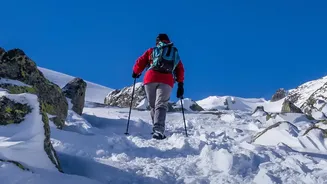
Hiking is an exercise in endurance and deliberate control. When you walk across uneven ground, your body is in a constant state of micro-correction. Each step on a rock, root, or shifting patch of dirt requires your muscles and nervous system to work
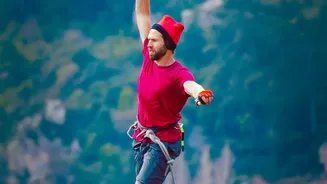
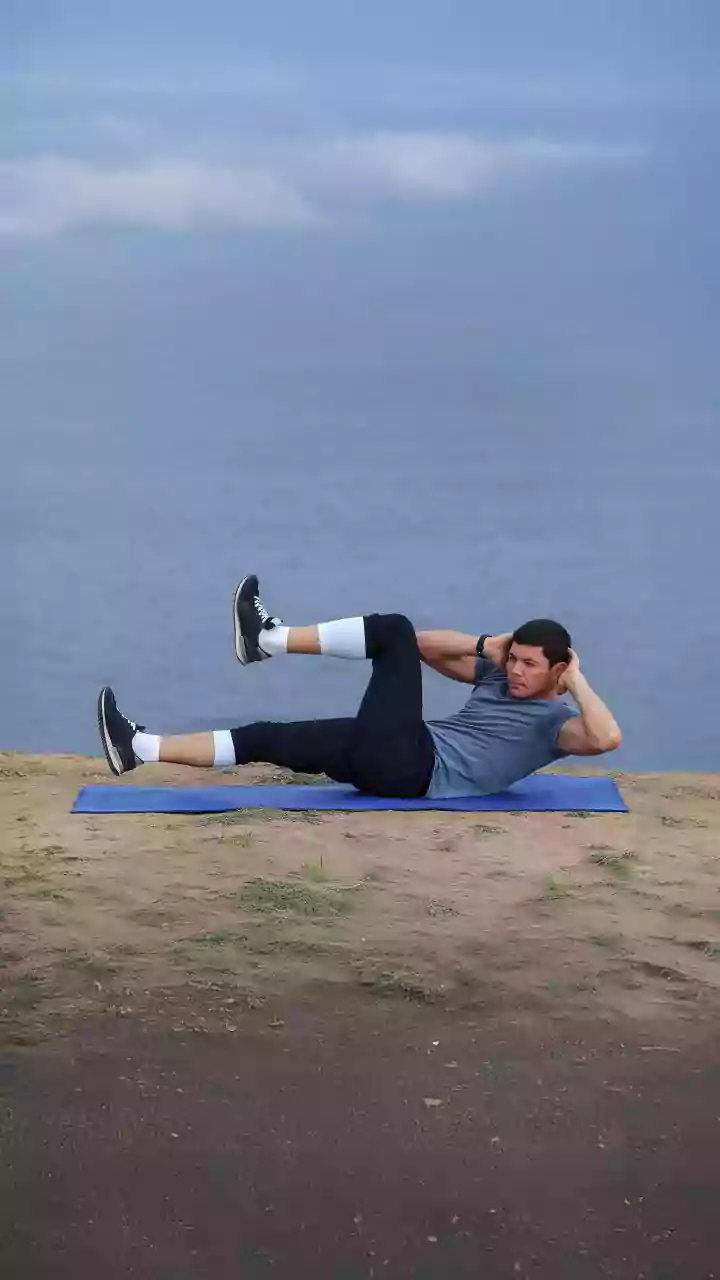
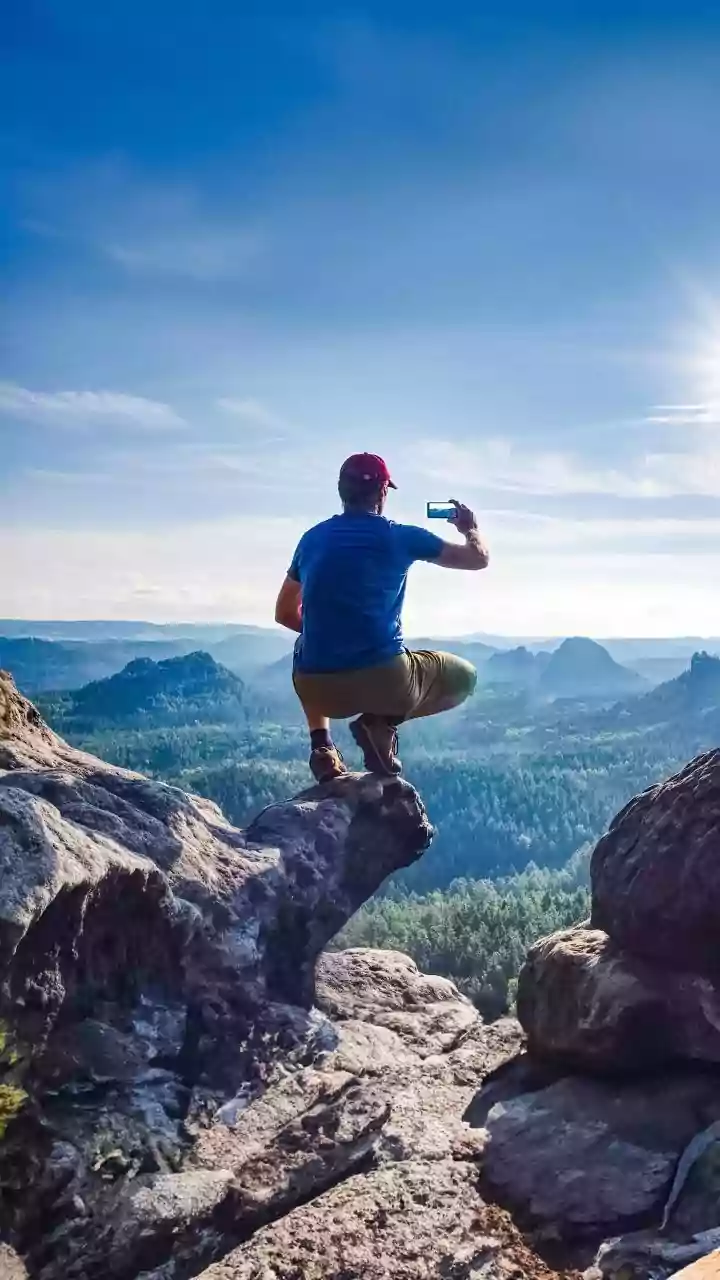
together to prevent a fall. This process is known as proprioception—your body's ability to sense its position in space. On the trail, proprioception is what allows you to look at the view ahead while your feet navigate the terrain below. The primary muscles doing the work are in your lower body. Going uphill heavily engages your glutes, hamstrings, and calves to propel you forward. On the descent, your quadriceps act as brakes to control your speed and absorb impact. Your core muscles—the abdominals, obliques, and lower back—are constantly firing to keep your torso stable, especially when carrying a pack. Weight shifts in hiking are generally slow and controlled. You plant one foot, test its stability, and then gradually shift your full body weight onto it before taking the next step.
The Dynamic Balance of Skateboarding
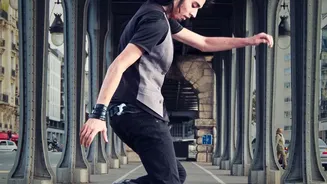
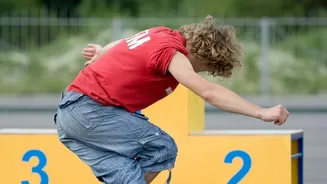
Skateboarding, in contrast, is all about dynamic, reactive balance. Instead of a stable earth beneath your feet, you have a moving platform. This requires constant, rapid adjustments to maintain your center of gravity. Every push, turn, and trick is a quick-fire sequence of weight shifts. Leaning onto your heels or toes to steer the board, crouching low for stability, and jumping for an ollie all demand explosive power and lightning-fast reactions.
The muscles involved reflect this need for speed and control. While major leg muscles like the quads, hamstrings, and glutes provide power for pushing, it's the smaller stabilizing muscles that are the unsung heroes. The muscles in your ankles and calves work overtime to make tiny corrections that keep you upright. A strong core is absolutely essential, acting as the anchor that connects your upper and lower body, allowing for fluid turns and controlled movements. Unlike the measured weight shifts of hiking, skateboarding involves a continuous flow of adjustments, often in response to sudden changes in momentum or surface.
Where The Two Worlds Meet
So, how do they stack up? Both hiking and skateboarding are excellent for improving balance and strengthening your core. They both build powerful leg muscles and enhance your proprioceptive awareness. However, the type of stability they build is different.
Hiking develops endurance-based stability. It trains your body to make controlled adjustments over long periods and varied terrain. The strength gained is about sustainable power and resilience.
Skateboarding builds reactive, fast-twitch stability. It trains your body to respond instantly to a constantly changing environment. The strength here is about explosive agility and fine-tuned coordination. One is a marathon of steady adjustments, while the other is a series of sprints requiring split-second decisions.
From the Trail to the Pavement
The good news is that skills from one activity can directly benefit the other. The powerful leg and glute muscles developed from hiking uphill can provide more power for pushing on a skateboard and more stamina for longer sessions. The ankle stability gained from thousands of micro-adjustments on the trail can help prevent a rolled ankle when landing a trick.
Conversely, the exceptional core strength and reactive balance honed by skateboarding can make a hiker feel more nimble and confident on technical, rocky sections of a trail. A skateboarder's highly developed proprioception means their brain is already trained to quickly process information from their feet and make rapid corrections, a skill that is invaluable when navigating unpredictable terrain. By engaging in both, you're not just learning two different activities; you're building a more complete and adaptable foundation of physical fitness.