






The Humidity and Oil Problem
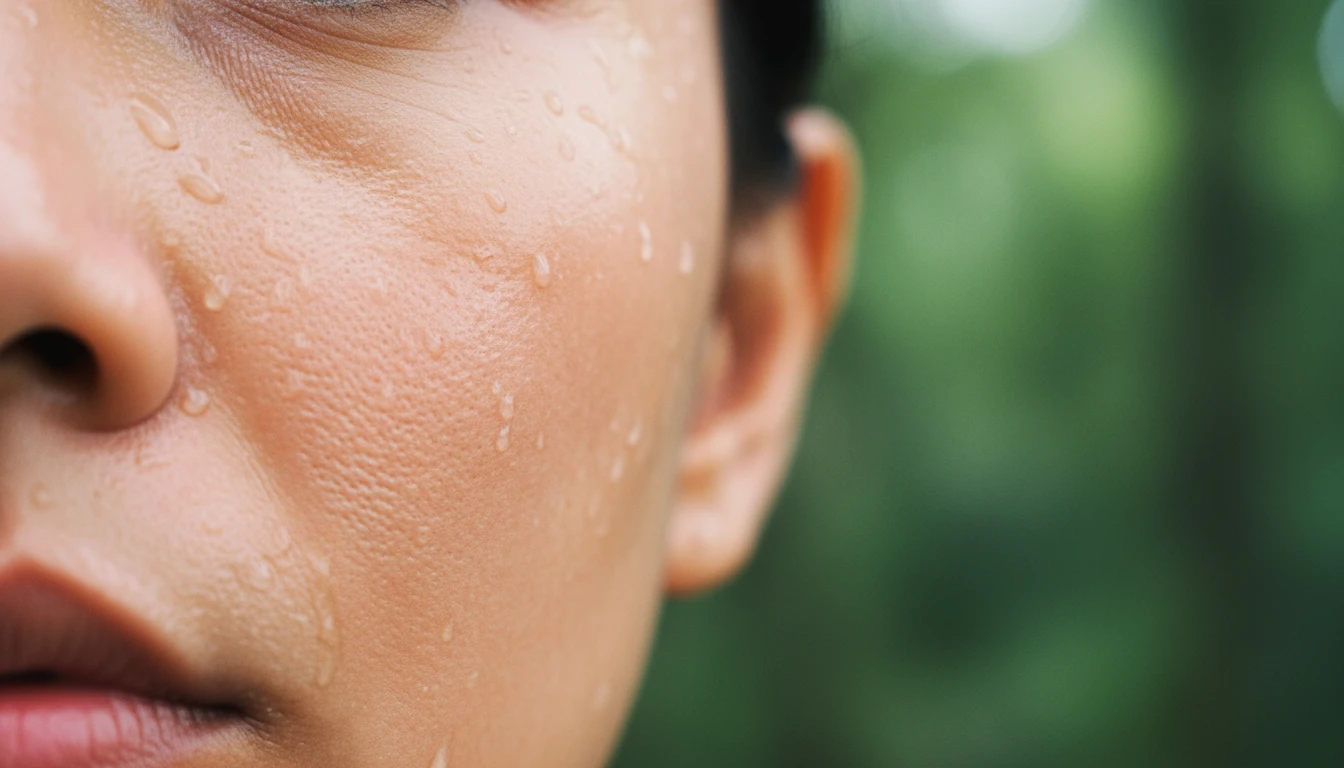
The defining characteristic of the monsoon season is high humidity, which fundamentally alters how your skin behaves. When the air is saturated with moisture, sweat doesn't evaporate from your skin as quickly. This traps a film of sweat, oil, and environmental
pollutants on the surface. In response to the heat and humidity, your skin's oil glands often go into overdrive, increasing sebum production. This combination of excess oil and trapped sweat is a primary reason for clogged pores, which can lead to blackheads, whiteheads, and acne breakouts. People with naturally oily or combination skin may find their T-zone feeling particularly greasy and congested.
A Breeding Ground for Infections
Beyond acne, the warm and moist environment of the monsoon is an ideal breeding ground for bacteria and fungi. This leads to a noticeable increase in skin infections that are less common in other seasons. Fungal infections like ringworm are particularly prevalent, often appearing as itchy, red, and scaly patches in skin folds. Bacterial infections such as folliculitis (infected hair follicles) and boils also become more common, especially if there are minor cuts or scratches on the skin. The constant dampness can weaken the skin's natural protective barrier, making it more vulnerable to these microbial invaders and other irritants.
Adjust Your Cleansing Routine
With your skin feeling sticky and oily, the first instinct might be to wash your face repeatedly with a strong cleanser. However, dermatologists advise against this. Over-washing or using harsh, stripping cleansers can damage your skin's protective barrier, paradoxically triggering it to produce even more oil to compensate. Instead, switch to a gentle, soap-free, or gel-based cleanser. Wash your face twice a day—once in the morning and once at night—to effectively remove the day's accumulation of dirt, sweat, and oil without stripping the skin. This balanced approach keeps pores clear and respects the skin's natural state.
Don’t Skip Moisturiser, Just Switch It
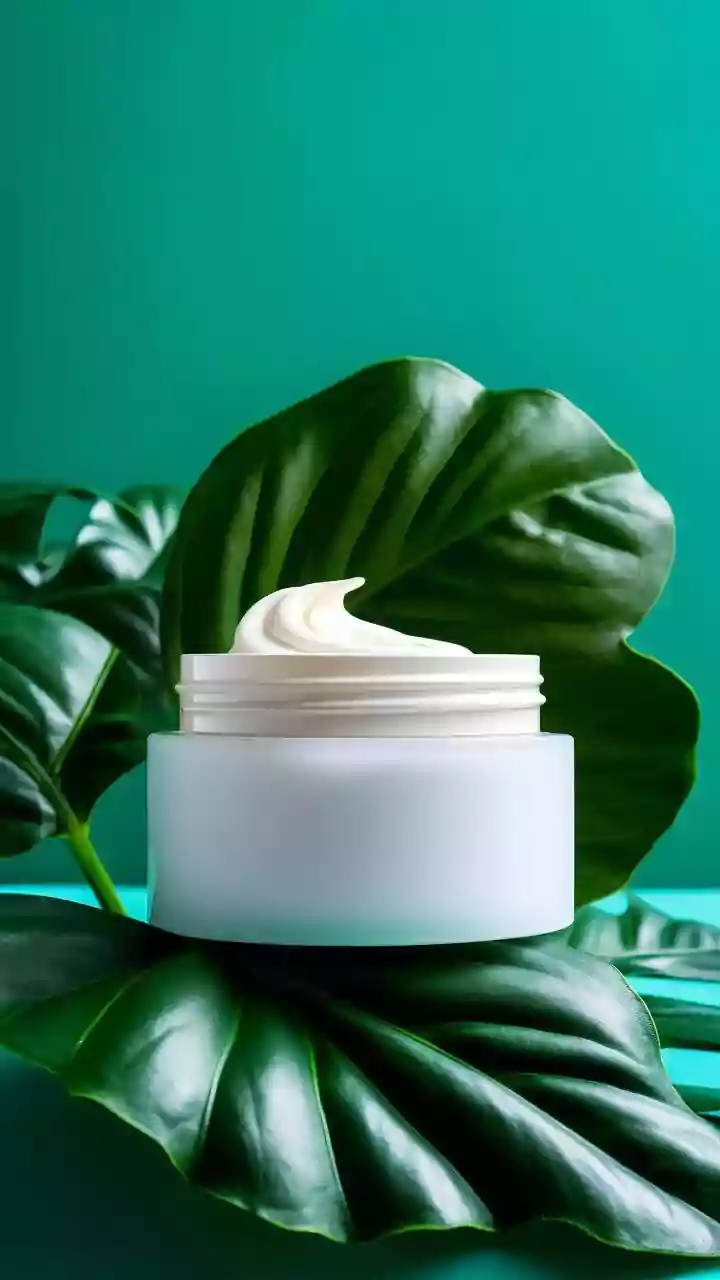
Skipping moisturiser during the monsoon is one of the most common skincare mistakes. Even though your skin feels damp or oily on the surface, it still requires hydration. Humidity can trick you into thinking your skin is moisturised, but it can also lead to dehydration underneath the surface slickness. The key is not to abandon moisturiser, but to change its texture. Swap heavy, thick creams for lightweight, non-comedogenic (non-pore-clogging), gel-based, or water-based formulas. These products provide essential hydration to support the skin barrier without feeling greasy or heavy in the humid air.
Sunscreen Is Still Non-Negotiable
Cloudy skies can be deceptive, leading many to believe that sunscreen is unnecessary during the monsoon. This is a critical error, as up to 80% of the sun's harmful UV rays can penetrate through cloud cover. UVA rays, which are responsible for premature ageing and pigmentation, remain consistent throughout the year, regardless of the weather. These rays can still cause tanning and worsen dark spots, and reflections from wet roads can even increase your exposure. Continue to use a broad-spectrum sunscreen with at least SPF 30 every single day. For comfort in the humidity, opt for a lightweight gel or fluid formulation that is water-resistant.
Exfoliate Gently and Be Mindful
With the increased buildup of dead skin cells, oil, and grime, exfoliation becomes important to keep pores clear and skin looking bright. However, it's crucial to be gentle. Over-exfoliating can damage the already-stressed skin barrier and cause irritation. Limit exfoliation to once or twice a week using a mild chemical exfoliant (like AHAs or BHAs) or a gentle physical scrub. Additionally, try to avoid touching your face frequently to prevent transferring dirt and bacteria. Wearing loose, breathable cotton clothing and changing out of damp clothes quickly can also help prevent body acne and fungal infections that thrive in moist conditions.