







The Great Humidity Deception
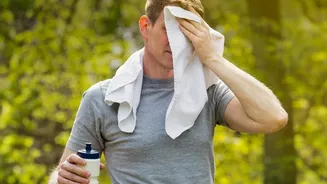
On a hot, dry day, your body has an efficient cooling system: you sweat, and the sweat evaporates, taking heat with it. But during the monsoon, the air is already saturated with water vapour. This high humidity means sweat has nowhere to go. It drips
off your skin instead of evaporating, severely compromising your body's primary method for cooling down. As a result, your internal core temperature starts to rise faster, even if the thermometer shows a pleasant 28 degrees. Your body has to work overtime just to keep from overheating, making a routine workout feel unusually exhausting.
Your Body on High Alert
This struggle to stay cool places significant strain on your entire system. Your heart has to work harder, pumping more blood to the skin's surface in an attempt to release heat. This increased cardiovascular strain means a higher heart rate for the same level of effort compared to dry conditions. With more blood being diverted to your skin, less is available for your hard-working muscles, causing them to fatigue much faster. This explains why you might feel sluggish, heavy, and out of breath sooner than you normally would. Experts note that this increased physiological cost can reduce endurance and performance long before your muscles themselves are truly tired.
Recovery Redefined: How to Adapt
Because your body is under greater stress, recovery becomes even more critical. Simply stopping isn't enough; you need a smarter strategy. Start with hydration. In humid weather, you lose essential electrolytes like sodium and potassium through sweat, even if you don't feel as thirsty. It's crucial to replenish with electrolyte-infused drinks or natural sources, not just plain water. Post-workout, focus on nutrition to help your muscles recover. A meal with carbohydrates and around 20-30 grams of protein within an hour of exercising helps replenish energy stores and repair tissue. Finally, don't underestimate the power of an active cool-down. A few minutes of light walking or gentle stretching helps your heart rate decrease gradually and can reduce muscle soreness.
Beyond the Muscles: Holistic Monsoon Care
The challenges of the rainy season extend beyond your workout. The constant dampness creates a breeding ground for bacteria and fungi. It's essential to practice good hygiene, like showering immediately after a workout and never staying in damp clothes or wet socks to prevent skin infections. Make sure your workout shoes and gear dry completely between uses. Furthermore, the overall strain on your body can tax your immune system. Prioritising sleep is non-negotiable. Quality rest is when your body does most of its repair work, and the cooler nights of the monsoon don't always guarantee better sleep. Listening to your body and taking extra rest days when you feel fatigued is a sign of smart training, not weakness.