



The Unseen Struggle
In a startlingly honest disclosure, Yuzvendra Chahal has opened up about a period of intense personal crisis that remained hidden behind his cheerful public persona. The cricketer shared that he spent 26 days in a rehabilitation facility to address an
addiction to alcohol, a dependency he explained grew from his struggles with profound anxiety. For millions of fans who have only seen the perpetually smiling, joking figure on their screens, the news is a stark reminder that the pressures of fame and professional sports often carry an unseen weight. This confession was not a casual remark but a deliberate and brave statement about the reality of his life, challenging the sanitized image often expected of national sports heroes. It paints a picture of a man grappling with immense internal turmoil while simultaneously performing at the highest level of his sport.
More Than Just a Game
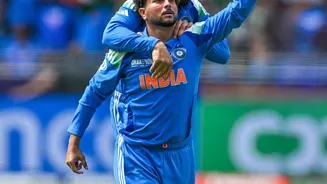
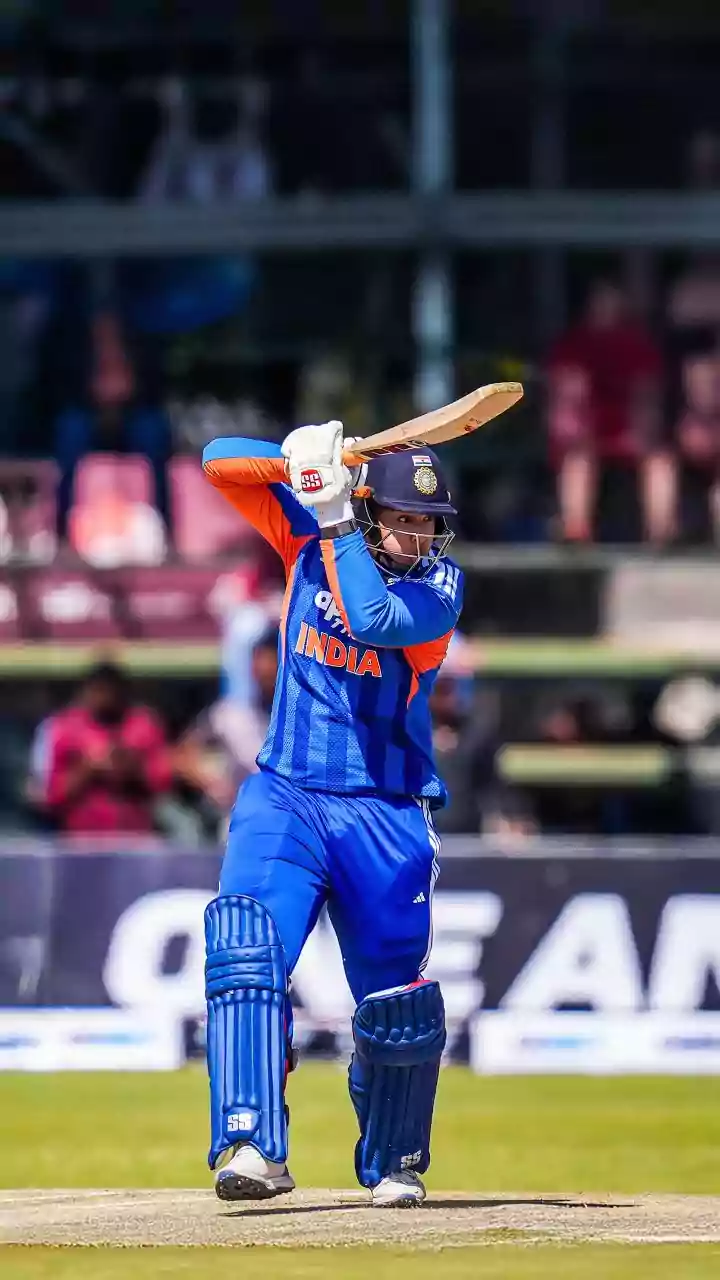
Life as an Indian cricketer is a relentless cycle of performance, scrutiny, and public expectation. The highs are stratospheric, but the lows are brutal and broadcast to a billion critics. Chahal's experience with anxiety is not an isolated incident but a symptom of a larger issue within the high-stakes world of professional athletics. The constant travel, the pressure to win, the unforgiving glare of social media, and the isolation from family can create a perfect storm for mental health challenges. When every performance is analyzed and every personal moment can become a headline, the mental toll is immense. Chahal’s struggle with alcohol can be seen as a coping mechanism—an attempt to numb the overwhelming stress that comes with wearing the Indian jersey. His story is a powerful testament to the fact that athletes are not invincible heroes, but human beings navigating extraordinary pressures.
Choosing a Different Path
The decision to enter a rehabilitation facility is never easy, especially for a public figure. Chahal's choice to commit to a 26-day program signals a profound moment of self-awareness and a commitment to healing. By speaking about it, he directly confronts the stigma that often surrounds addiction and mental health treatment in India. Rehab is not a punishment, but a structured environment for recovery and learning healthier coping strategies. His candidness about this journey transforms a personal struggle into a public service announcement. It tells thousands of others who may be fighting similar battles in silence that seeking help is a sign of immense strength, not weakness. This act of vulnerability reframes the narrative from one of crisis to one of courage, resilience, and the difficult, necessary work of reclaiming one's well-being.
When Private Pain Becomes Public
Compounding his professional and internal pressures, Chahal also spoke on the painful subject of his divorce. The breakdown of a marriage is a deeply personal and difficult experience for anyone, but for a celebrity, it unfolds under a microscope. Rumors and speculation can run rampant, adding another layer of stress to an already emotionally fraught situation. By addressing this aspect of his life, Chahal highlighted the full spectrum of his struggles, where personal heartbreak collided with professional anxiety and addiction. It underscores the reality that an athlete’s life is not compartmentalized; turmoil in one area invariably affects the others. His statement serves as a plea for empathy, a reminder that behind the headlines and the gossip are real people navigating profound loss and pain. It's a sobering look at the true cost of a life lived in the public eye.