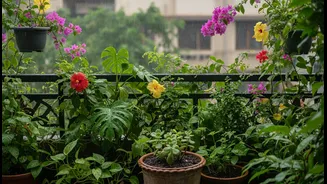



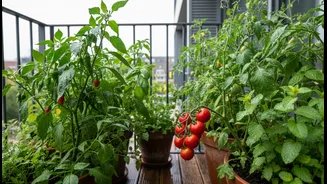


Setting Up Your Green Corner
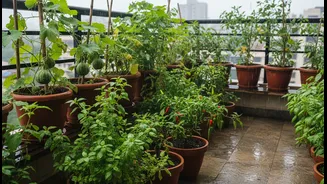
Before you start sowing, a little preparation is key. First, assess your sunlight. Most edible plants, including vegetables and herbs, need at least four to six hours of sunlight. East-facing balconies that get gentle morning sun are great for herbs and leafy
greens, while south-facing spots are ideal for sun-lovers like chillies. Next, choose your containers. Ensure every pot, grow bag, or planter has adequate drainage holes at the bottom. This is non-negotiable during the monsoon, as waterlogged soil is the fastest way to kill your plants by causing root rot. For soil, use a light, well-draining potting mix. A combination of garden soil, cocopeat, and compost provides good structure, retains necessary moisture while draining excess, and feeds your plants.
The Easiest Greens and Herbs
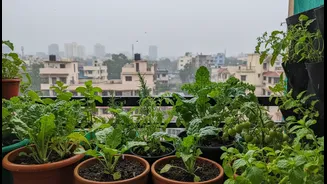
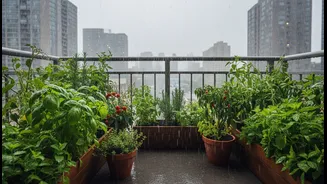
The rainy season is ideal for growing a variety of leafy greens and herbs, which often thrive in the increased humidity. For beginners, spinach (palak), amaranth (chaulai), and coriander (dhania) are excellent choices. They grow quickly and can be harvested multiple times. Herbs like mint (pudina) and holy basil (tulsi) also flourish during this season. Mint is famously easy to grow and will quickly fill a pot, providing fresh sprigs for teas and chutneys. Tulsi is not only useful in the kitchen but is also known for its immunity-boosting properties, making it a valuable plant to have during the damp monsoon months. Most of these herbs do well in medium-sized pots and don't require deep soil, making them perfect for compact balcony spaces.
Growing Chillies and Gourds
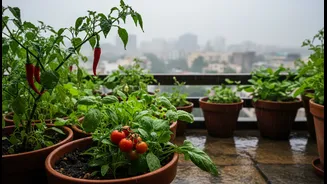
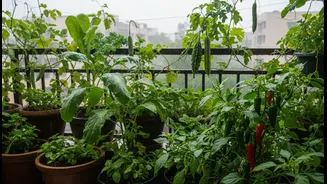
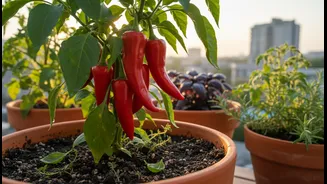
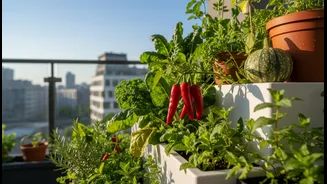
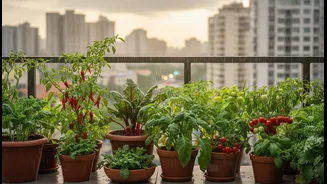
If you're feeling more adventurous, try your hand at chillies and small gourds. Chillies are one of the most rewarding plants to grow in pots and love the warmth and light that many Indian balconies offer. Choose deep pots (at least 20-30 cm) to accommodate their root systems. Popular Indian varieties like Jwala or Guntur are well-suited for containers. For gourds, choose climbing varieties like ridge gourd or bitter gourd. These will need a trellis or netting to climb on, which you can easily set up against a balcony railing or wall. This not only saves space but also creates a beautiful vertical green wall. The high humidity of the monsoon helps these climbers grow vigorously.
The Bounty of Benefits
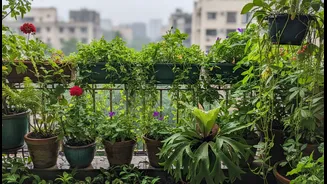
The rewards of a balcony garden extend far beyond the harvest. Having access to fresh, organic, and pesticide-free produce is a major advantage. It can reduce your grocery bills and connect you more deeply with the food you eat. Gardening is also a well-known stress reliever. The daily ritual of tending to plants offers a calming escape from the hustle of city life. Furthermore, a green balcony acts as a natural air purifier and can help cool your home by reducing ambient temperatures. During the monsoon, this small ecosystem can attract butterflies and birds, bringing a slice of nature right to your window.
Navigating the Limits and Challenges
While the monsoon is a great growing season, it has its limits. The biggest challenge is managing water. It's a common mistake to assume plants don't need watering because it's raining. Pots on covered balconies might stay completely dry, while others get too much water. Always check the soil moisture with your finger before watering. Another major issue is pests and fungal diseases, which thrive in the damp, humid conditions. Overcrowding plants reduces airflow and makes them more susceptible to problems like powdery mildew. Finally, reduced sunlight during overcast days can slow down the growth of sun-loving plants.
Monsoon Care 101
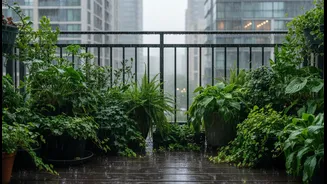
To counter the challenges, a few simple practices can make all the difference. Ensure excellent drainage by keeping pot holes clear and even elevating pots on bricks or stands to let water escape. Avoid leaving saucers underneath pots where water can collect. To prevent fungal infections and pests, ensure good air circulation by not overcrowding your plants. Regularly prune any dead or yellowing leaves to maintain plant health. A preventive spray of neem oil solution every 10-15 days can work wonders in keeping common pests at bay. For climbing gourds, regular training and pruning will ensure they remain healthy and productive.