



The Mission's Grand Objective
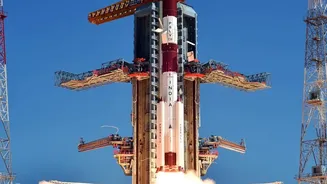
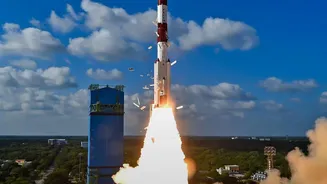
The primary goal of Chandrayaan-4, slated for launch around 2028, is to perform a soft landing on the Moon, gather up to three kilograms of lunar regolith (soil and rock), and bring it back safely. This would make India only the fourth country in the world
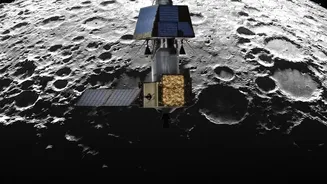
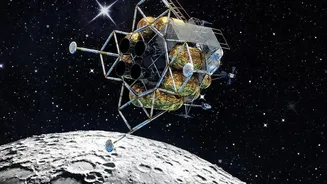
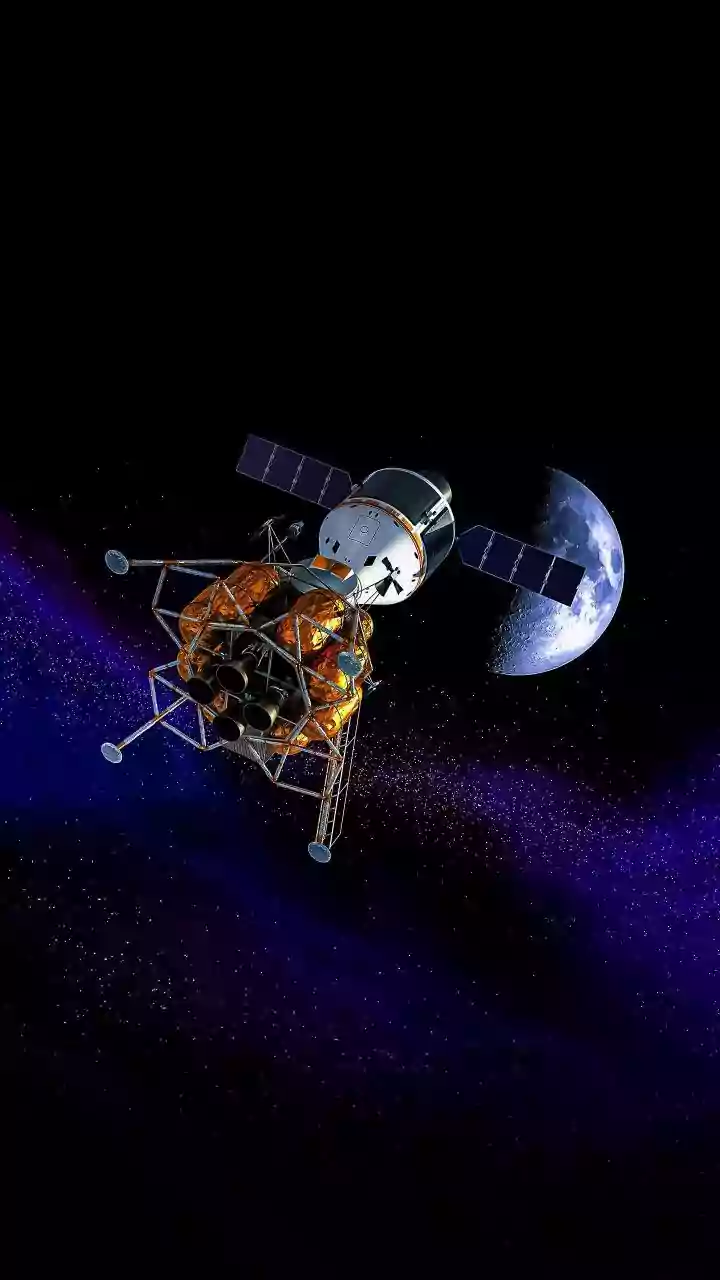
to achieve such a feat, placing it in an elite club with the United States, the former Soviet Union, and China. The mission is not just about collecting rocks; it's a monumental technological demonstration. It will involve launching from another celestial body, performing docking maneuvers in lunar orbit, and transferring samples between modules—all firsts for ISRO. These steps are critical for developing the capabilities needed for future interplanetary and even human spaceflight missions.
The Challenge of Untouched Moon Dust
Collecting samples on the Moon is far from a simple scoop-and-grab operation. Lunar regolith is a complex material. Decades of research show it's a fine, abrasive powder, almost like broken glass, that has been pulverized by billions of years of meteorite impacts. This dust is electrostatically charged and clings to everything, posing a significant risk to mechanical systems, seals, and sensors. Furthermore, the most scientifically valuable samples are those that have been shielded from the harsh radiation and extreme temperature swings on the lunar surface. This is why Chandrayaan-4 won’t just skim the topsoil; it is being designed to access subsurface material that may hold secrets about the Moon's history and the potential presence of water ice.
The Robotic Arm: A Feat of Precision
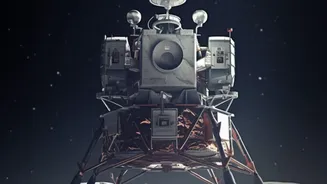
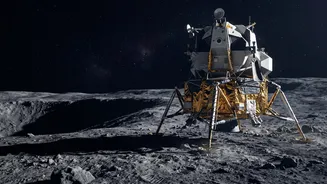
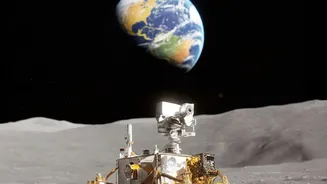
The star of the surface operations will be a sophisticated robotic arm, also referred to as the Surface Sampling Robot, mounted on the lander module. This arm is being engineered for precision and reliability in the harsh lunar environment. Its primary task will be to perform delicate scooping operations, collecting loose surface material. This process must be executed flawlessly, controlled by scientists and engineers back on Earth. The arm will need to carefully maneuver to collect samples and then transfer them into a container on the Ascender module—the part of the spacecraft that will eventually lift off from the Moon. Every movement will be critical to ensure the precious cargo is secured.
Beyond the Scoop: Drilling for Deeper Truths
To get to the best-preserved samples, Chandrayaan-4 will also employ a drilling mechanism. This tool will penetrate the lunar surface to collect subsurface material. These deeper samples are invaluable because they have been protected from the relentless solar wind and cosmic radiation, offering a more pristine look at the Moon's composition. The robotic system will be responsible for collecting both the scooped surface soil and the drilled core samples and placing them into separate, sealed containers. This dual-collection method ensures a diverse range of materials for scientists to study back on Earth, maximizing the scientific return of the mission.
Preserving the Prize: A Contamination-Free Journey Home
Once collected, preserving the integrity of the samples is paramount. The robotic systems will transfer the samples into leak-proof canisters located on the Ascender module. These containers are designed to be sealed tightly in a vacuum, preventing any contamination from Earth's atmosphere upon their return. After the Ascender lifts off and docks with the Transfer Module in lunar orbit, the samples will be robotically transferred again into the Re-entry Module for the final leg of the journey. This entire process is designed to meet strict planetary protection protocols and ensure the samples arrive in terrestrial labs in as close to their natural lunar state as possible.