







Prep Work: The Foundation for Success
The journey to perfect ringlets begins long before the gel comes out. For styling products to work their magic, they need a clean, hydrated canvas. Start your routine by washing and conditioning your hair with products suited for your curl type. Hydrated
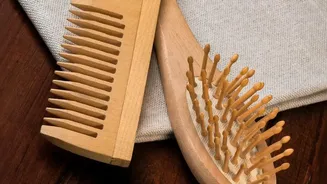
hair has better elasticity and is less prone to frizz. After conditioning, detangle gently with a wide-tooth comb while your hair is still coated and slippery. The most crucial step is to apply your styling products to soaking wet hair. Do not towel-dry your hair first. Applying gel to damp or dry hair can lead to uneven application, flaking, and frizz. Styling on very wet hair helps the gel distribute evenly and locks in the maximum amount of moisture, which is the key to a defined, lasting style.
Choosing the Right Gel
Not all gels are created equal. The ideal gel for you depends on your hair's texture and desired outcome. Gels typically come in light, medium, and strong holds. Light-hold gels are great for finer waves and loose curls that get weighed down easily. Medium-hold gels offer a good balance of definition and flexibility for most curl types. Strong-hold gels are best for thicker, coarser hair or for styles that need to withstand humidity and last for several days. Look for formulas that are free of drying alcohols. Many modern gels are packed with moisturizing ingredients like aloe vera, which help keep curls soft and healthy. It's also wise to consider layering a leave-in conditioner or curl cream before your gel to provide a base layer of moisture.
Application: Techniques for Definition
How you apply the gel is just as important as the product itself. Start with a small amount, emulsify it between your palms, and then apply it to sections of your soaking wet hair. There are several popular methods for application. The 'praying hands' technique involves smoothing the gel down the hair shaft between your flat palms, which helps to reduce frizz and create smooth curl clumps. The 'raking' method, where you use your fingers like a comb to pull the product through, ensures even distribution and can create more separated curls and volume. After applying, scrunch your hair upwards towards the scalp to encourage your natural curl pattern to form. For even more definition, you can try finger coiling individual ringlets.
Drying: Patience and the 'Gel Cast'
Once your gel is applied, the rule is simple: hands off. Touching your hair while it dries can disrupt the curl pattern and cause frizz. You can either air-dry or use a diffuser on a low speed and low heat setting. As your hair dries, the gel will form a firm, sometimes 'crunchy' shell around your curls. This is called a 'gel cast', and it's a good sign. The cast protects your curls, locking in the definition and preventing them from becoming frizzy while they set. Don't panic if your hair feels stiff; this is a temporary stage and the key to a successful style.
The Final Touch: Scrunch Out the Crunch
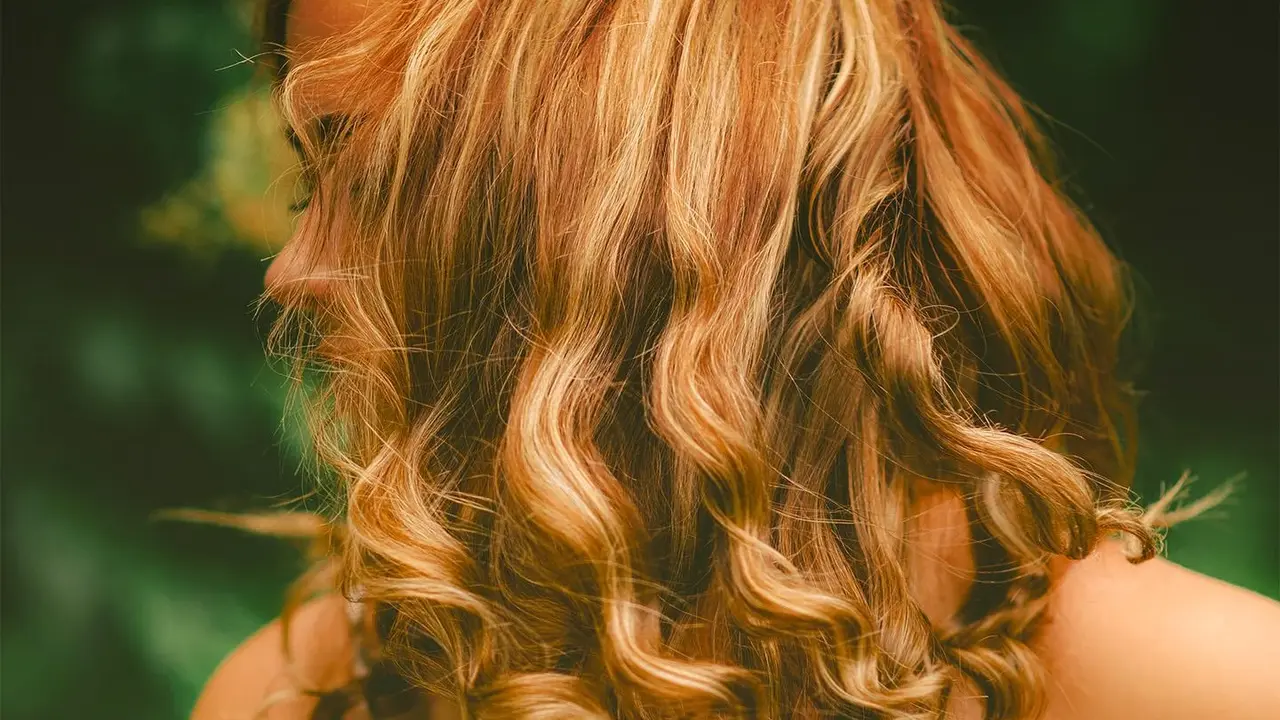
This is the final, transformative step. Once your hair is 100% dry—not even a little bit damp—it's time to break the gel cast. This technique is often called 'Scrunch Out The Crunch' or SOTC. Gently cup sections of your hair and scrunch upwards towards the scalp, just as you did when applying the product. You will feel the stiff cast break, revealing soft, bouncy, and perfectly defined curls underneath. For extra softness and to reduce any potential frizz, you can put a few drops of a lightweight hair oil on your palms before scrunching. You can also use a satin scarf or a microfibre towel for this step to be extra gentle on your hair.
Troubleshooting Common Mistakes
If you're not getting the results you want, you might be making a few common errors. Using too much gel can weigh hair down and make it feel sticky or greasy, while using too little won't provide enough hold for lasting definition. Applying products to hair that isn't wet enough is a major cause of frizz and uneven results. Another mistake is scrunching out the cast before your hair is completely dry, which will ruin the definition you worked to create. Finally, remember to clarify your hair regularly to remove product build-up, which can prevent your styling products from working effectively.