




Why Your Garden Should Go Local
The secret to a successful urban garden isn't a magical green thumb; it's choosing the right players for your team. Native plants are species that have grown in your local region for centuries. They are perfectly adapted to the climate, soil, and rainfall
patterns. This means they are naturally resilient to local pests and diseases, drastically reducing the need for chemical pesticides. More importantly, they are accustomed to the local water supply, whether it's a monsoon downpour or a dry spell, making them significantly more water-efficient and low-maintenance. By planting native species, you are not just saving time and resources; you are creating a mini-habitat that provides food and shelter for local birds, bees, and butterflies, helping to restore a small piece of the local ecosystem right on your balcony.
Plants That Love the Sun
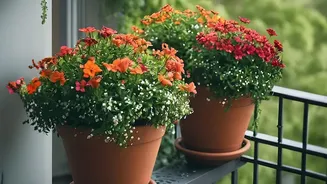
For those sun-drenched balconies that can feel like an oven in the summer, selecting plants that thrive in heat is crucial. Bougainvillea is a classic choice for a reason; its vibrant, paper-like bracts in shades of pink, orange, and white love the sun and are incredibly drought-tolerant once established. Similarly, the beloved Hibiscus (Gudhal) produces stunning, large blooms and performs best in hot, humid climates, adding a tropical touch to any space. For a reliable splash of colour, Marigolds (Genda) are a fantastic option. They are easy to grow from seed, flourish in full sun, and their cheerful flowers are a common sight in Indian households for good reason. These plants don't just survive the heat; they thrive in it, rewarding you with consistent blooms with minimal fuss.
Greenery for Shadier Corners
Not every urban space is blessed with hours of direct sunlight. For shadier balconies or indoor spaces, there are plenty of hardy options that provide lush greenery without needing much light. The Snake Plant is perhaps the most forgiving of all houseplants. With its upright, architectural leaves, it tolerates low light and infrequent watering, making it perfect for beginners or busy professionals. Another excellent choice is the Areca Palm, which brings a graceful, tropical feel indoors and is known for its air-purifying qualities. While not strictly native everywhere, the ubiquitous Money Plant (Pothos) is another incredibly resilient option that can grow in soil or just a bottle of water, thriving in a variety of light conditions and forgiving most gardening mistakes.
The Practical Edible Garden
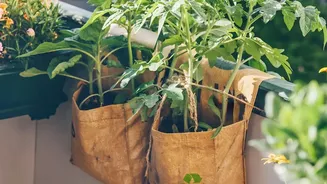
Gardening becomes even more rewarding when you can eat what you grow. For the urban Indian kitchen, the Curry Leaf plant (Kadi Patta) is an essential. This hardy plant is relatively easy to maintain in a pot and provides a constant supply of fresh, aromatic leaves for your cooking. Beyond traditional herbs, the urban farming trend of growing microgreens is perfect for city dwellers. These are young vegetable greens harvested just a week or two after germination. They are packed with nutrients and can be grown in a small tray on a windowsill, offering a quick and satisfying harvest without needing a large garden space.
Simple Steps to Get Started
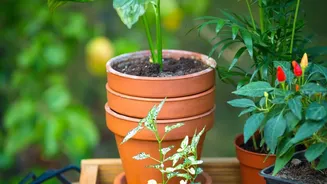
Starting your garden doesn't require a lot of complex equipment. Begin with the right container. Terracotta pots (gamlas) are ideal for the Indian climate as their porous nature allows soil to breathe and excess moisture to evaporate, preventing root rot. For soil, a simple, effective mix can be made by combining regular garden soil, compost (like vermicompost), and coco-peat in equal parts. The coco-peat helps retain moisture without making the soil heavy. When it comes to watering, the most common mistake is overwatering. Instead of following a rigid schedule, get into the habit of checking the soil first. If the top inch feels dry to the touch, it's time to water. This simple check prevents drowning your plants and is a cornerstone of smart gardening.