

The Great Indian Protein Puzzle
There's a growing awareness that many traditional Indian diets, often rich in carbohydrates, might not be delivering enough protein. Studies suggest a significant portion of the population doesn't meet the recommended daily intake, which is roughly 1
gram of protein per kilogram of body weight for an average adult. This deficit can lead to issues like fatigue, muscle loss, slow recovery, and poor hair and skin health. While the problem is real, the solution often gets oversimplified. Many people believe that protein is only for bodybuilders or that a scoop of protein powder is the only fix for a vegetarian diet. This overlooks the incredible, and often more effective, power of whole foods already central to Indian cuisine.
Why Supplements Aren't the Whole Story
Protein supplements, like whey or plant-based powders, can be a convenient way to boost your intake, especially after a workout or if your dietary needs are high. However, they are not a magic bullet. They are supplements, designed to 'supplement' a diet, not replace the nutritional complexity of whole foods. Whole foods offer more than just protein; they come packaged with fibre, vitamins, minerals, and antioxidants that work together to support your overall health. A diet that relies too heavily on one source, even a supplement, risks missing out on this broad spectrum of nutrients. Furthermore, in India, supplements can be significantly more expensive than whole food alternatives and the market is not always well-regulated.
The Power of a Diverse Protein Palette
The real key to excellent nutrition lies in variety. Different protein sources have different amino acid profiles—the building blocks of protein. Our bodies need nine 'essential' amino acids that we must get from food. While animal products like milk, paneer, and eggs are 'complete' proteins (containing all nine), most plant sources are 'incomplete'. But this is where the genius of traditional Indian cuisine shines. By combining different plant foods, we can easily create complete proteins. This principle, known as protein complementation, is something we often do without even thinking about it. Eating a wide range of proteins also supports a healthy gut microbiome, which is crucial for digestion and overall immunity.
Your Complete Indian Protein Toolkit
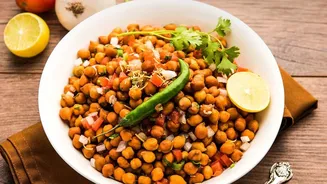
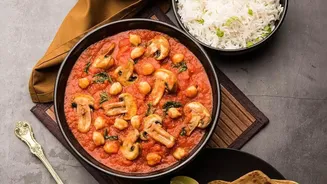
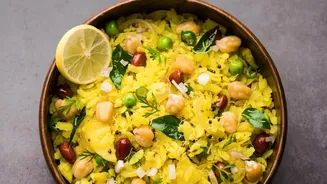
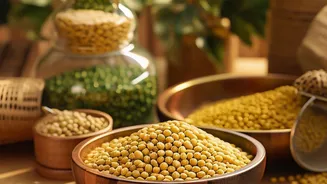
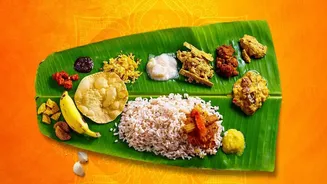
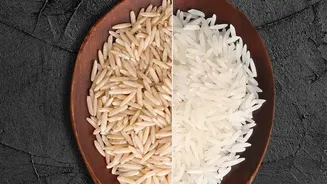
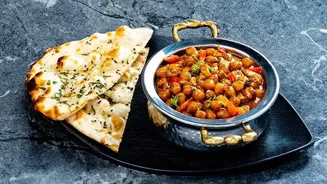
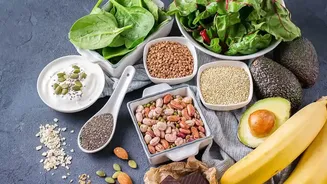
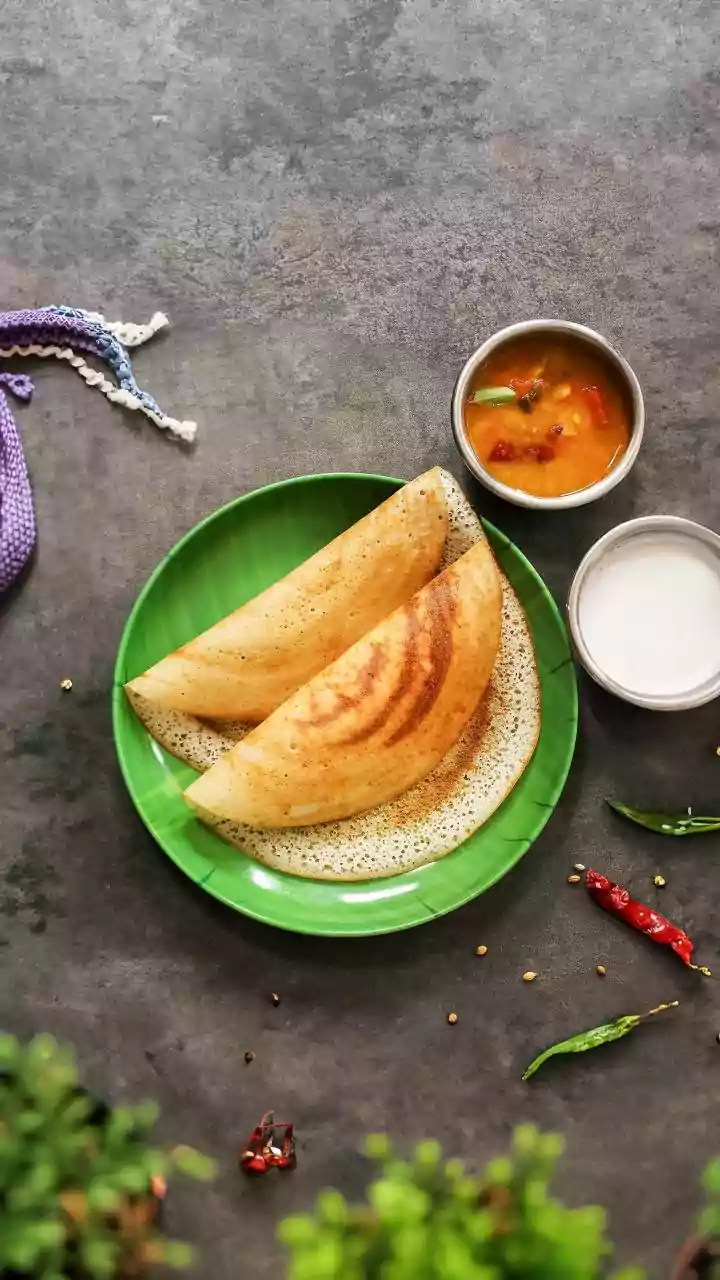
Indian vegetarian cuisine is a goldmine of protein sources. The trick is to combine them effectively. The classic pairing of grains and legumes is the cornerstone of this strategy. Grains like rice and wheat are typically low in the amino acid lysine but have methionine. Legumes like dal and chickpeas are rich in lysine but low in methionine. Eaten together, they fill each other's gaps. Some powerful combinations include: Dal with Rice or Roti; Rajma with Rice; Chickpeas (Chole) with Roti or Rice; Idli/Dosa (made from a fermented batter of rice and urad dal). Beyond these pairings, your protein toolkit should include: Legumes: Lentils (dal), chickpeas (chana), kidney beans (rajma), and sprouts.; Dairy: Paneer, curd (dahi), and milk are excellent sources of complete protein.; Soy Products: Tofu and soy chunks are plant-based complete proteins.; Nuts & Seeds: Almonds, walnuts, peanuts, and chia seeds offer a protein punch along with healthy fats.
Making It Work: A Food-First Approach
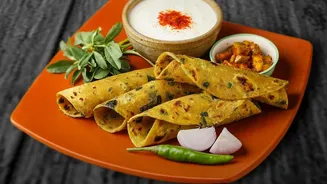
Integrating more protein into your day doesn't require a radical diet overhaul. It's about making smarter choices at every meal. Start your day with a protein-rich breakfast like moong dal chilla or a paneer bhurji instead of just toast. For lunch and dinner, ensure a substantial portion of your plate is dedicated to a dal, legume curry, or paneer dish. Don't just make it a token side dish. Snack smart on a handful of roasted chana, a bowl of curd, or some nuts instead of packaged snacks. By focusing on including diverse protein sources in each meal, you build a sustainable, nourishing, and far more enjoyable diet than one reliant on a single supplement shake. A varied diet ensures you're not just building muscle, but also promoting satiety, balancing blood sugar, and supporting your long-term health.