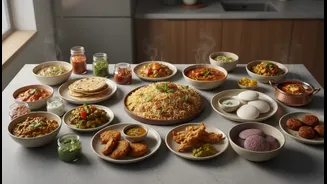





The Dream of a Borderless Menu
For years, food delivery in India has been a hyperlocal affair. You could get anything you wanted, as long as it was from a restaurant a few kilometres away. But what about the truly iconic dishes? The Tunday Kababs from Lucknow, Kolkata's baked rosogollas,
or the authentic Mysore Pak from Bengaluru. These were tastes tied to a place, requiring a journey to experience. Several services have attempted to bridge this gap. While Zomato's ambitious "Intercity Legends" service, launched in 2022, was a notable venture that captured the nation's imagination, it was eventually discontinued after the company found it difficult to find a sustainable market. However, the dream it represented lives on, with other specialized services like Tastes2Plate and Hungersate stepping into the arena to connect food lovers with their cravings.
How It Works: Kitchen to Your Doorstep
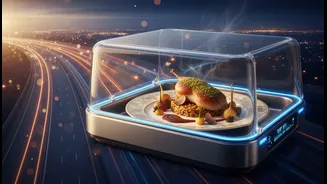
The logistics of sending a freshly cooked meal across hundreds of miles are complex. The pioneering model involved a multi-step process. First, customers would place an order via an app. The partner restaurant would then prepare the food and pack it in specially designed, tamper-proof containers. Instead of being sent out for immediate delivery, the food was rapidly cooled and transported via air cargo or refrigerated trucks to a hub in the destination city. From there, a local delivery partner would bring the order to the customer's home, usually a day after it was placed. The food, which was never frozen and contained no extra preservatives, was designed to be easily reheated by the customer.
The Price of Nostalgia
Ordering a meal from another state was never going to be as cheap as a local delivery. The cost included not just the price of the food but also sophisticated packaging, express logistics via air and road, and last-mile delivery charges. For instance, when Zomato's service was active, the cost of an intercity order could be significantly higher than a local one. Its final iteration even included a minimum order value of ₹5,000 to make the economics work. The key question for consumers was whether the experience was worth the premium. For many, it was a resounding yes. It wasn't just about the food; it was about tasting a piece of home, celebrating a special occasion, or satisfying a long-held craving that was otherwise impossible to fulfil.
More Than Just a Meal
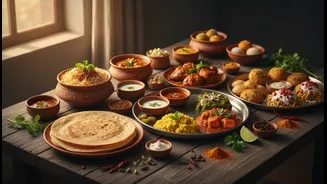
The true appeal of interstate food delivery lies in its emotional power. For millions of Indians living away from their hometowns for work or education, food is a primary connect to their roots. The ability to order a dish that tastes exactly like it does back home is a powerful dose of nostalgia and comfort. It allows a family in Mumbai to share the same sweets for Diwali as their relatives in Kolkata, or a group of friends in Bengaluru to feast on authentic Hyderabadi biryani. This service transforms food from mere sustenance into a shared cultural experience that transcends geography. It makes the country feel a little smaller and more connected, one delicious meal at a time.