



The Grassy Green Pepper
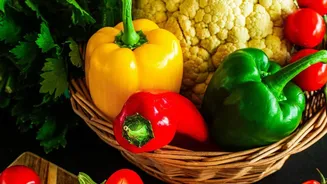
The green bell pepper is the least mature of the bunch, picked before it has a chance to turn yellow, orange, and finally red. This gives it a distinctly vegetal, slightly bitter, and grassy flavour profile. Its robust structure and assertive taste make
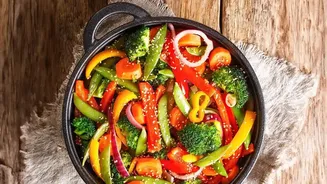
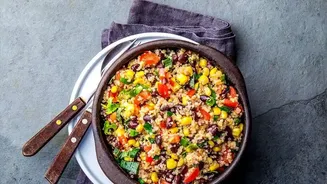
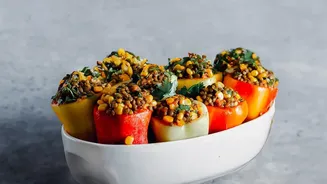
it a fantastic candidate for cooking methods that soften its edge. Green peppers are the classic choice for stuffing. Their sturdy walls hold up well to baking, and their bold flavour provides a delicious contrast to hearty fillings like quinoa, black beans, corn, and spices. They also shine in stir-fries and fajitas, where their crispness can be retained while absorbing the flavours of sauces and other ingredients. Nutritionally, while all peppers are healthy, green peppers have less sugar than their colourful siblings and are a good source of fiber and certain antioxidants.
The Sunny Yellow Pepper
As a green pepper ripens, it may turn yellow, becoming milder and sweeter in the process. Yellow bell peppers have a gentle, fruity flavour that lacks the bitterness of green peppers. This makes them incredibly versatile and a great 'middle-ground' option. Their bright, sunny colour adds a beautiful visual pop to any dish. Raw, they are fantastic sliced into salads or served as crunchy sticks with hummus. When cooked, their mild sweetness is a welcome addition to sautés, omelettes, and pasta dishes. Yellow peppers contain more vitamin C than green peppers; in fact, they have more of the vitamin by weight than an orange. Their pleasant taste and vibrant hue make them an easy and nutritious addition to everyday meals.
The Fruity Orange Pepper
Sweeter than yellow peppers but not quite as rich as red ones, orange peppers have a distinctly fruity taste. They offer a wonderful balance, providing noticeable sweetness without overpowering other ingredients. This makes them a great all-purpose pepper, suitable for a wide range of vegetarian dishes. Orange peppers are particularly delicious when roasted, a process that concentrates their sugars and brings out their fruity notes. They are also excellent when thinly sliced and added to fresh salsas or used in a colourful Thai curry. Like their yellow counterparts, orange peppers are nutritional powerhouses, loaded with vitamins that contribute to a healthy diet.
The Sweet Red Pepper
The red bell pepper is the most mature, having been left on the vine the longest. This extended ripening time makes it the sweetest and richest in flavour. It also results in the highest nutritional content, boasting significantly more vitamin C and vitamin A (through beta-carotene) than green peppers. Their brilliant colour and sweet taste make them a favourite for many applications. Roasting red peppers until the skins blister transforms them into a silky, smoky delicacy perfect for blending into soups, sauces, and dips like hummus. They are also delightful when eaten raw, adding a sweet crunch to salads and sandwiches. Their natural sweetness means they can even be paired with fruit in unique dishes like peach and pepper tacos.
Mastering the Cooking Methods
The way you cook a pepper dramatically changes its character. Roasting is a popular technique that enhances the natural sweetness of peppers, especially red, orange, and yellow varieties. Simply toss them with a bit of olive oil and roast until tender and slightly charred. Sautéing is a quick method perfect for fajitas and stir-fries, allowing the peppers to soften while retaining some of their crispness. For a full meal, stuffing peppers with a mixture of grains, beans, and vegetables is a classic vegetarian option. Blanching the peppers for a few minutes before stuffing and baking ensures they become perfectly tender. No matter the method, these colourful vegetables offer endless possibilities for creative, healthy, and flavourful vegetarian meals.