







Understanding the Monsoon Opportunity
For Bengaluru's home gardeners, the monsoon season, which typically lasts from June to September, is the most significant planting period of the year. This is the city's primary rain-fed or 'Kharif' season. The combination of cooler temperatures, high
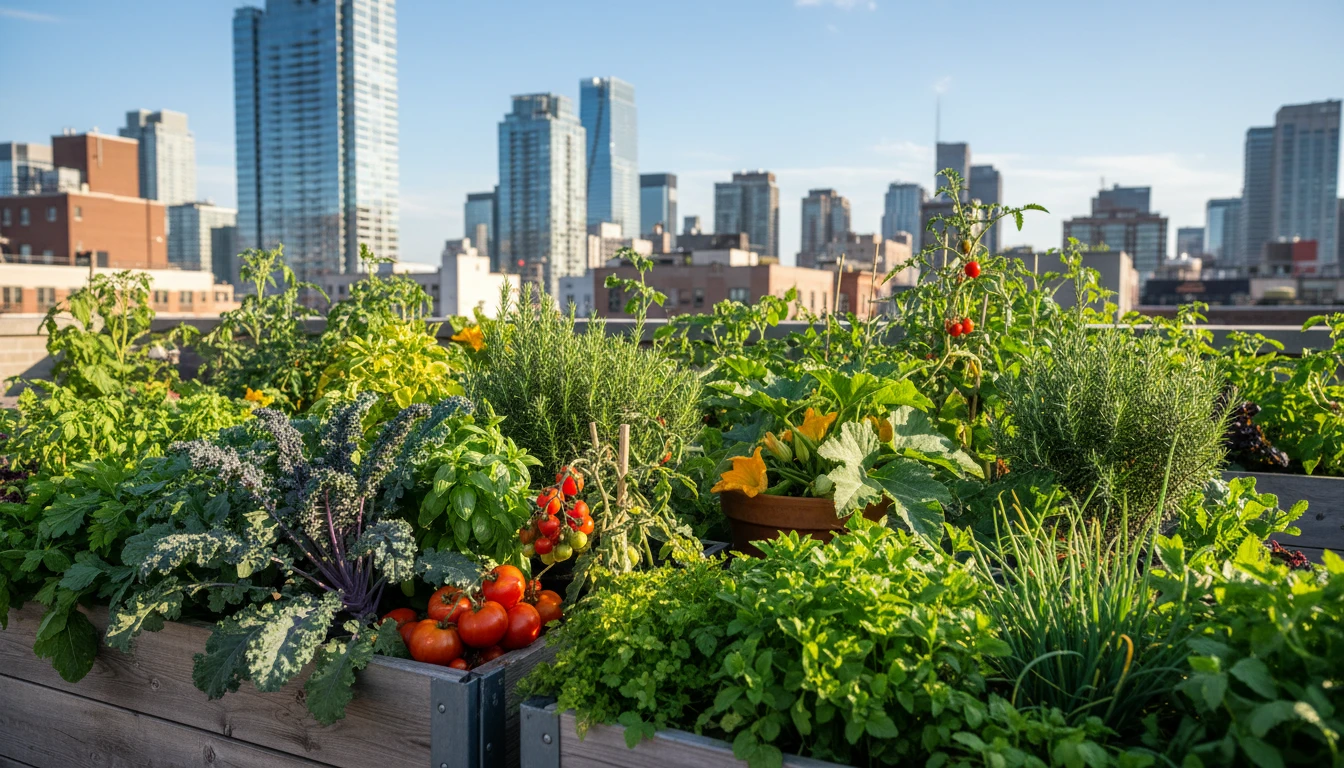
humidity, and abundant rainwater creates ideal conditions for seed germination and plant growth, reducing the stress plants face during the hot summer months. According to horticulture experts, the survivability of saplings and the success rate of grafting are significantly higher during this period. The consistent moisture helps roots establish quickly, leading to faster and more vigorous growth for a wide variety of vegetables and flowering plants. This natural abundance of water is a boon for urban farming, turning balconies, terraces, and small plots into productive green spaces.
The Key Benefits of Monsoon Planting
Harnessing the monsoon for gardening offers several distinct advantages. The most obvious benefit is the reduction in manual watering, which saves time, effort, and water bills. Rainwater is naturally soft, free of the salts and minerals found in tap water, and has a slightly acidic pH that most plants love, helping to release essential soil nutrients. The high humidity in the air also promotes faster root development, making it an excellent time for propagating plants from cuttings. Rain-fed agriculture supports greater biodiversity and is crucial for food production, with a significant portion of India's food grains, pulses, and oilseeds grown during this season. For the home gardener, this translates to lusher, healthier plants and a more substantial harvest, contributing to household food security and a cooler micro-environment around the home.
Navigating the Common Risks
Despite the benefits, the monsoon is not without its challenges. The primary risk is overwatering, not from a can, but from relentless downpours. When soil becomes waterlogged, it displaces oxygen, suffocating plant roots and leading to root rot within days. This is a major issue in Bengaluru's heavier clay soils, which do not drain well. High humidity and wet foliage also create the perfect breeding ground for fungal diseases like powdery mildew and leaf spot. Pests such as slugs, snails, and mealybugs thrive in these damp conditions. Furthermore, stagnant water in pot trays or blocked drains can become breeding sites for mosquitoes, posing a health risk. Heavy rains can also leach essential nutrients from the soil, leaving plants undernourished despite the ample water.
Choosing the Right Monsoon Crops
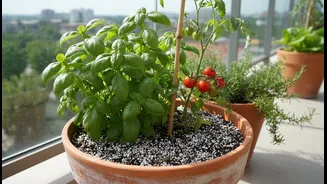
Success begins with selecting plants that thrive in high-moisture conditions. Excellent choices for Bengaluru's monsoon include beans (French beans, lima beans, cowpeas), which are highly productive during this season. Okra (bhindi) is another champion, as its deep roots can handle periods of wet soil. Gourds like bottle gourd and ridge gourd grow explosively on trellises. Leafy greens such as amaranth (chaulai) and spinach also do well, though they need good drainage. Root vegetables like turmeric, ginger, and certain radish varieties are traditionally planted during the monsoon. While tomatoes are often grown, they can be susceptible to fungal diseases and require extra care, like protective plastic sheeting during heavy downpours.
Practical Next Steps for Success
To make the most of the season, focus on preparation. First, ensure excellent drainage. For container gardens, use pots with multiple drainage holes and consider placing them on bricks or stands to prevent them from sitting in water. Using a well-draining potting mix—combining soil with compost and cocopeat or perlite—is crucial. For ground plots, creating raised beds is the most reliable way to prevent waterlogging. Second, manage your watering schedule. Never water on days with heavy rain and always check if the soil is damp before adding more. Third, ensure good air circulation by spacing plants adequately to help leaves dry faster and reduce fungal risk. Finally, be proactive with pest management. A preventive spray of neem oil solution (5ml of oil per litre of water) every two weeks can help keep common monsoon pests and fungal issues at bay.