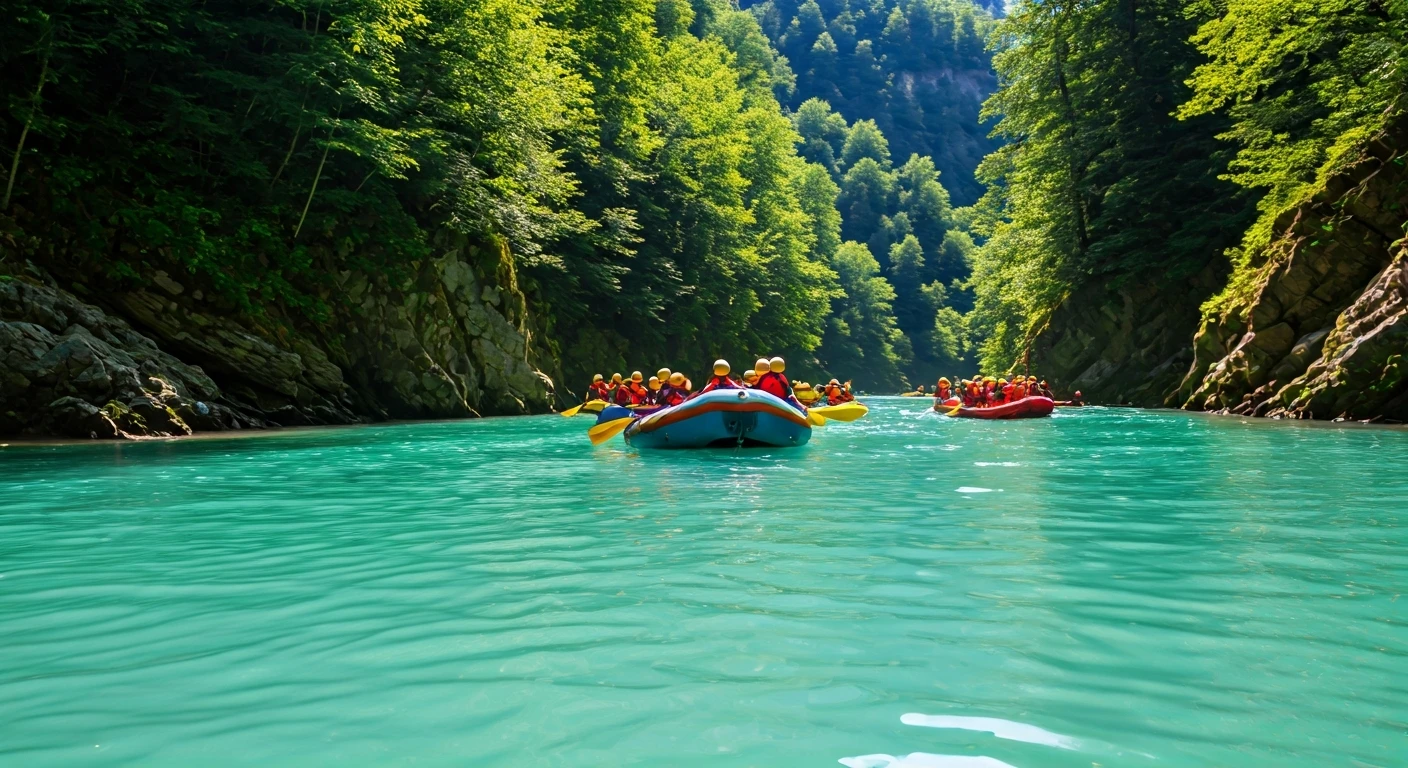









The Annual Student Pilgrimage
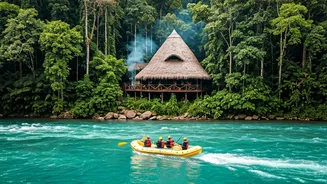
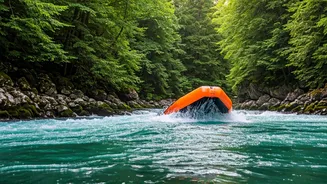
For countless college students across India, a summer river rafting trip is a rite of passage. It’s a budget-friendly adventure packed with thrills, freedom, and unforgettable memories with friends. Come May and June, buses packed with these energetic
groups descend upon popular riverine hubs. They fill the budget hotels, crowd the riverside cafes, and, most importantly, book rafting slots in huge numbers. For local economies that are heavily dependent on tourism, this annual influx is nothing short of a lifeline. Tour operators, guides, and small business owners who endure lean monsoon and winter seasons rely on this peak summer rush to make the bulk of their yearly income. The sheer volume of student bookings ensures that rafts are full, gear is rented, and the entire commercial ecosystem of adventure tourism thrives.
A Promise of Greener Waters
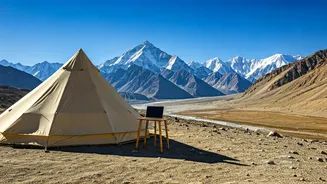
Parallel to this boom is a growing movement towards sustainable tourism. An ‘eco stop’ along a river isn't just a picturesque spot to take a break; it represents a philosophy. These ventures are designed to have a minimal environmental footprint. They often employ local villagers, use biodegradable materials, enforce strict ‘no-plastic’ policies, and work to preserve the delicate riverine ecology. The goal is to offer an authentic experience that respects nature, rather than just exploiting it for commercial gain. This model champions smaller group sizes to minimise disturbance to wildlife and reduce strain on local resources. The ethos of eco-tourism is about quality over quantity, fostering a deeper connection with the environment.
The Volume vs. Value Equation
Herein lies the conflict. The business model that sustains a rafting town and the principles of ecotourism are often at odds. A tour operator faces a difficult choice. A single booking from a corporate group or a family might pay more per person and be more mindful of eco-guidelines. However, securing a booking for a college group of 40, even at a heavily discounted rate, guarantees a full day’s business. In a competitive market, turning down this guaranteed volume is a significant financial risk. Many operators report that while they support sustainability in principle, the economic pressure to cater to the mass-market student demographic is immense. These larger groups, driven by tighter budgets, are less likely to pay a premium for a certified ‘eco-experience’, forcing operators to prioritise high-volume, low-margin packages that can inadvertently sideline sustainability efforts.
The Unseen Environmental Cost
The domination of large group bookings leaves a tangible mark. The most visible impact is waste. Despite clean-up drives, popular rafting stretches and campsites are often littered with single-use plastic bottles, food wrappers, and other trash left behind. The constant traffic of rafts and people can lead to soil erosion on riverbanks, disturbing natural habitats. Furthermore, noise pollution from large, boisterous groups can disrupt local fauna, including birds and aquatic life. The strain isn't just on the river itself; it’s on the entire local infrastructure. Water supply, sewage treatment, and waste management systems in these small towns are often overwhelmed during peak season, creating a cascading environmental problem that extends far beyond the riverbanks. The very natural beauty that attracts tourists is put under immense pressure.
Finding a Sustainable Balance
The solution is not to discourage student travel, but to guide it towards a more responsible path. Some forward-thinking operators are already experimenting with new models. This includes offering tiered packages, where a basic trip is available alongside a slightly more expensive ‘eco-package’ that includes a contribution to a local conservation fund or involves a small clean-up activity. Educating visitors at the booking stage about the principles of responsible travel is also crucial. Clear, simple guidelines on waste disposal and respecting wildlife can make a significant difference. On a policy level, local authorities could consider implementing green certification for operators, rewarding those who adhere to sustainable practices, or creating designated high-volume zones to contain the impact, leaving other stretches of the river more protected. It requires a collaborative effort from operators, tourists, and governing bodies.