


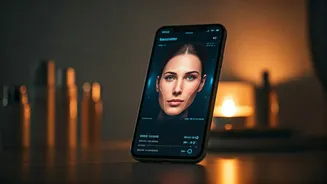


What is AI-Powered Foundation Matching?
Imagine a beauty consultant that has analysed millions of skin tones, understands the subtleties of light, and knows the exact composition of thousands of foundations. That’s the promise of Artificial Intelligence in the beauty world. AI-powered foundation matching
uses complex algorithms, often combined with your phone's camera or special in-store devices, to analyse your skin. It looks beyond the surface colour to identify your unique undertones—the cool, warm, or neutral hues beneath your skin—to recommend a product that is, in theory, your perfect match. Brands are betting big on this tech, aiming to solve the number one reason for makeup returns and customer frustration.
How Does It Actually Work?
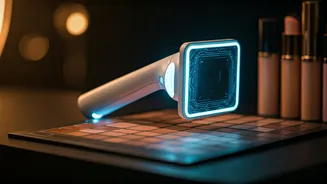
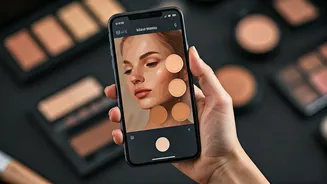
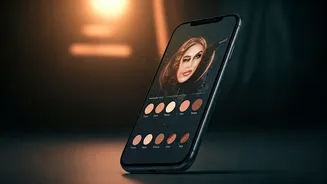
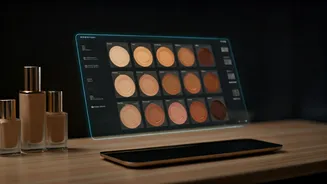
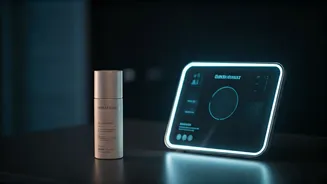
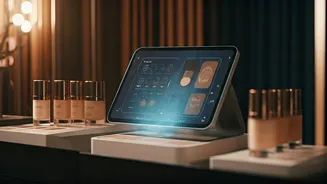
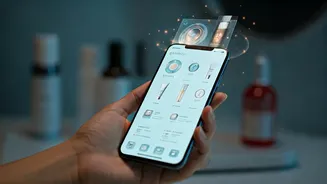
There are a few ways this technology comes to life. Some brands, like Il Makiage, use a detailed online quiz that asks about your skin type, concerns, and current foundation shades to feed its algorithm. Others, like Mary Kay and Sephora, use a combination of your phone's camera and AI analysis. You might be asked to take a selfie in natural light, and the app's AI analyses the pixels in your skin to generate a shade number. In-store experiences, such as Sephora's Color iQ, use a handheld device to take multiple readings from your face and neck, creating a precise skin tone code. This code is then used to find matches across their entire inventory. Some advanced systems even factor in environmental data like local humidity and UV index to tailor recommendations.
The Promise: A Perfect Match for Everyone
The biggest advantage is personalisation at a massive scale. For decades, the beauty industry has been criticised for its lack of inclusivity. AI promises to democratise shade matching, offering tailored suggestions to every skin tone. For shoppers, this means convenience. You can find your shade from home without dealing with unhygienic samples or pushy salespeople. It also opens up a world of online-only brands that were previously too risky to purchase from. For brands, it's a way to increase customer confidence, reduce product returns, and build loyalty by offering a truly personalised experience.
The Reality: Glitches in the Algorithm
However, the technology is far from perfect. The accuracy of any camera-based system heavily depends on external factors. Poor indoor lighting, the quality of your smartphone camera, and even the time of day can skew the results. Furthermore, there are concerns about inherent biases in the algorithms. If the AI is trained on a dataset that isn't sufficiently diverse, it may struggle to accurately match deeper or more complex skin tones, a significant issue for the Indian market. There's also the risk that these tools may promote unrealistic beauty standards. And for many, nothing can replace the tactile experience of feeling a formula's texture and seeing the colour on their own skin in person.
What's Next for Beauty Tech?
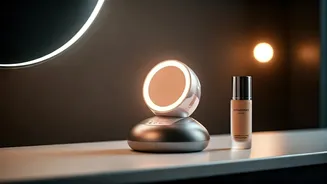
Foundation matching is just the beginning. The next frontier is hyper-personalisation. L'Oréal has been developing Perso, a device that uses AI to create custom-blended skincare and, eventually, foundation on demand, right in your home. The system analyses your skin in real-time, considers environmental factors, and dispenses a single, perfect dose. As the technology gets smarter, it will learn from your usage, noting which formulas work best for you and adapting over time. We are moving towards a future where beauty products are not just bought off a shelf, but created specifically for our unique needs, blending science and beauty in unprecedented ways.