






The Sock Is Part of the Shoe
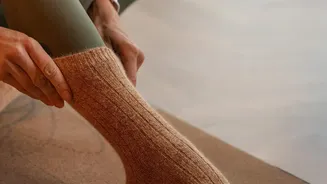
The most critical step to ensuring a shoe fits correctly is to try it on with the exact type of sock you plan to wear with it. This isn't just a minor detail; it’s fundamental to getting a true, real-world fit. The thickness of a sock directly changes
the volume inside a shoe. A thick, cushioned athletic sock can take up the equivalent of half a shoe size compared to a thin dress sock. Trying on a formal shoe with a bulky sports sock means you are sizing the shoe for an artificially larger foot, which will feel loose and sloppy once you pair it with the correct thin sock at home. Conversely, trying on running shoes with thin disposable store socks can lead to a painfully tight fit when you later wear them with your thicker, padded running socks. The goal is to simulate how the shoe will perform in your actual life, and your sock is an integral part of that system.
Timing and Measurement Matter
Beyond the sock rule, a few other key principles can save your feet from discomfort. Always shop for shoes in the afternoon or evening. Feet naturally swell throughout the day from walking and standing, so a shoe that fits perfectly in the morning might feel restrictive by evening. It’s also a common misconception that both of your feet are the same size; most people have one foot that is slightly larger than the other. Because of this, you should always measure both feet and size your new shoes to accommodate the larger foot. Finally, don't just rely on the number. Shoe sizes can vary significantly between brands and styles, so focus on the actual fit rather than the size marked on the box.
Give Them a Real-World Test
Once you have the shoes on with the right socks, don’t just sit down. Stand up and walk around the store. A proper fit means your heel should be snug and not slip out when you walk, but your toes should have enough room to wiggle. There should be about a half-inch of space—roughly the width of your thumb—between your longest toe and the end of the shoe. This space is crucial because your feet elongate slightly when you walk or run. Pay attention to the widest part of your foot; it should align with the widest part of the shoe without feeling squeezed. If you feel any immediate rubbing or pinching, don't buy the shoes. The idea that shoes need a painful “break-in period” is largely a myth; they should feel comfortable from the start.
Understand Your Materials
The material of the shoe also plays a significant role in its long-term fit and comfort. Genuine leather has natural flexibility and will stretch and mould to your foot over time. However, this stretching is a result of pressure, meaning it will give in areas where it feels tight, but it won't magically fix a shoe that is the wrong size. Synthetic materials, on the other hand, offer very little give. A shoe made from synthetic fabric or plastic that feels too tight in the store will likely stay that way. Understanding this difference is key. A slightly snug leather loafer might become perfect, but a tight synthetic sneaker is more likely to cause blisters and pain. High-quality materials like soft, breathable uppers and shock-absorbent soles contribute significantly to overall comfort and foot health.
A Fit for Every Occasion
Different shoes require different fits. For running or athletic shoes, the thumb-width rule is especially important to accommodate foot splay and swelling during activity. The upper should feel snug but not restrictive. For dress shoes, the goal is a secure, hugging fit without compression. Since they are paired with thinner socks, the fit needs to be more precise. Boots, often worn with thicker wool socks in colder weather, must be tried on with those specific socks to ensure there's enough room without cramping your toes. Even with casual shoes like loafers, where you might opt for no-show socks, it’s important to use them during the try-on process to prevent friction and ensure a comfortable fit.