


The Harvest Moon: When and Why
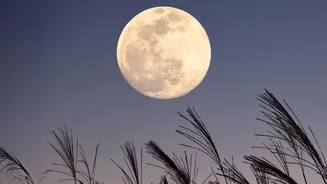
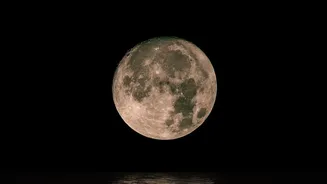
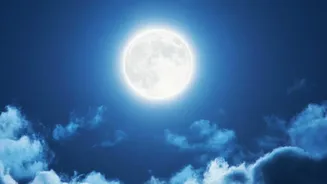
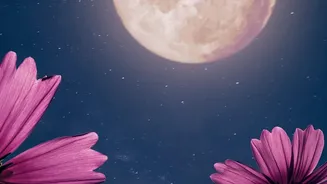
The full moon will reach its peak brightness at 10:19 PM IST on the night of Saturday, September 26, 2026. It will appear full and bright throughout the night, providing ample opportunity for viewing. This particular full moon is known as the Harvest
Moon, a name given to the full moon occurring closest to the autumnal equinox. The equinox in 2026 falls on September 22, making the September 26th moon the Harvest Moon. The name has traditional roots, as the bright moonlight historically helped farmers extend their working hours to gather crops. This full moon also coincides with the start of Pitru Paksha in the Hindu calendar, a period for honouring ancestors.
Finding the Perfect Viewing Spot
To get the most immersive experience, your primary goal should be to escape city lights. Light pollution is the biggest obstacle to clear stargazing and moon-gazing. Ideal locations include rural areas, the outskirts of towns, or designated dark-sky spots. In India, places like the Rann of Kutch in Gujarat, the high-altitude deserts of Ladakh, and hill stations in Uttarakhand offer famously clear skies. When you've found a dark spot, look for a location with an unobstructed view of the eastern horizon. This is where the moon will rise, and watching it appear over the landscape can be the most dramatic part of the experience. The moon often appears larger and takes on a striking yellow or orange hue near the horizon due to an optical effect called the Moon illusion.
A Guide for City Dwellers
If you can't get out of the city, don't worry—you can still enjoy the show. The full moon is bright enough to be seen even from light-polluted urban centres like Delhi, Mumbai, and Bengaluru. The key is to find the best possible vantage point. A rooftop, a high-rise balcony, or a large park can provide a clearer view than a street-level location. Try to find a spot that faces away from the brightest parts of the city. Even a short drive to a quieter suburban area can make a significant difference. Remember to check a reliable astronomy app for the exact moonrise time in your specific city, as it will vary.
Look for a Planetary Guest Star
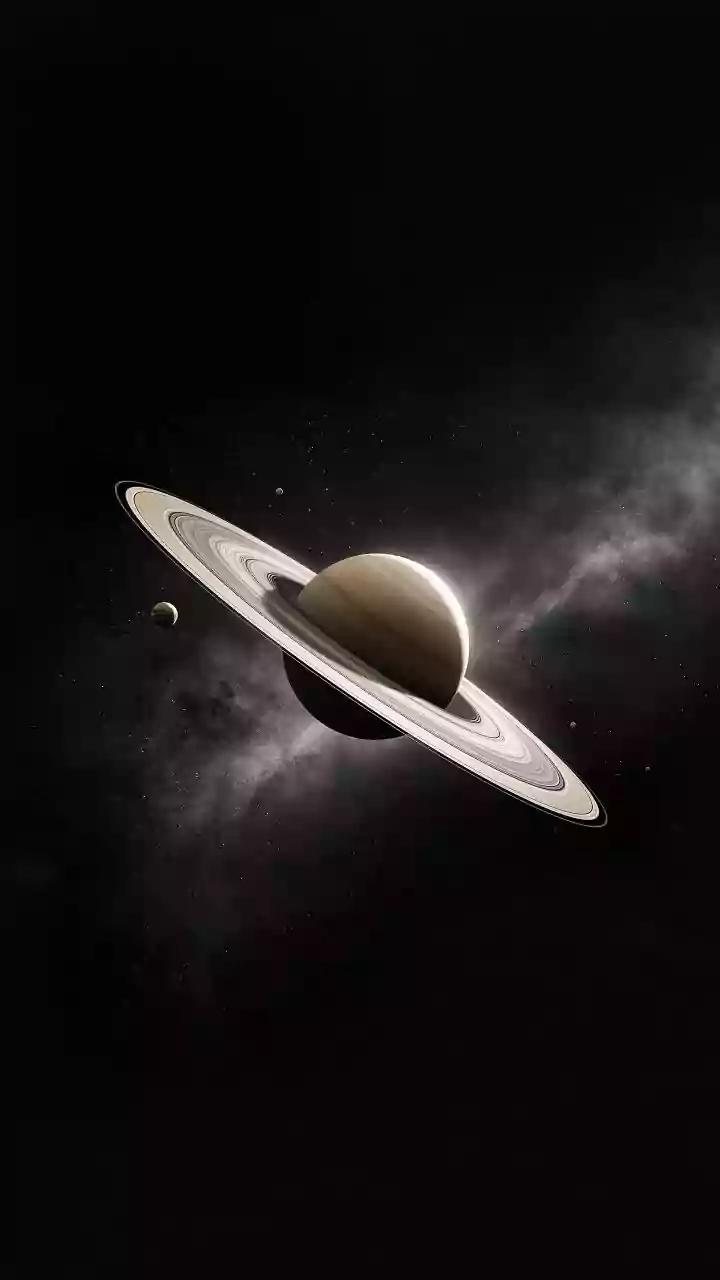
The Harvest Moon won't be alone in the sky. Shortly after moonrise, the planet Saturn will appear as a bright, steady, star-like object near the Moon. The full moon will be situated within the constellation of Pisces. For those with a pair of binoculars or a small telescope, this is a great opportunity to get a closer look at both the lunar surface and the ringed planet. Unlike stars, planets do not twinkle, which can help you identify Saturn. Early risers might also spot Jupiter and Mars in the pre-dawn sky.
Tips for Capturing the Moment
Photographing the moon with a smartphone can be tricky, but a few tips can help you get a better shot. First, stabilize your phone using a tripod or by leaning it on a steady surface to avoid blur. Turn off your flash and avoid using digital zoom, which degrades image quality; it's better to crop the photo later. Tap on the moon on your screen, which should bring up an exposure slider (often a sun icon). Drag this slider down to reduce the brightness until you can see details on the moon's surface instead of a white blob. If your phone has a 'Pro' or 'Manual' mode, try setting the ISO to a low value (like 100) and using a relatively fast shutter speed (like 1/125s) to get a crisp image.