


The Classic Norwegian Fjord: Green and Grand
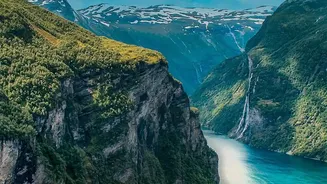
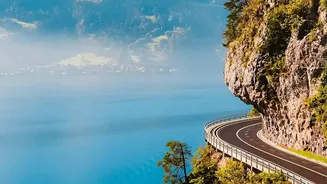
When you picture a postcard-perfect fjord, you are likely thinking of Norway. Home to over 1,700 named fjords, the country's western coast is a masterpiece of natural sculpture. These waterways are typically long, deep, and narrow, framed by impossibly
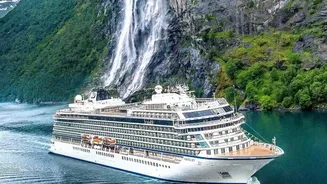
steep, green mountainsides with waterfalls cascading down their faces. Two of the most famous, the Geirangerfjord and the Nærøyfjord, are so iconic they are protected as UNESCO World Heritage sites. The Sognefjord, known as the 'King of the Fjords', is the longest and deepest in the country, stretching over 200 kilometres inland. The landscape here is defined by its lushness, with charming villages and fruit orchards clinging to the shores, creating a scene that feels both majestic and serene.
Touring Norway's Waterways
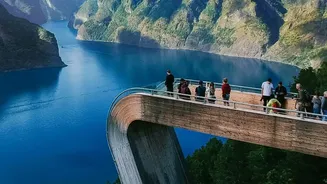
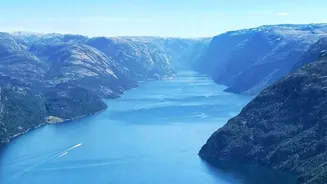
Guided tours in Norway are designed to immerse you in this dramatic scenery. Fjord cruises are the most popular option, ranging from short sightseeing trips of a few hours to multi-day voyages along the coast. These tours often depart from accessible hubs like Bergen, the 'Gateway to the Fjords'. For a more active approach, kayaking offers a water-level perspective of the sheer scale of the cliffs. Numerous hiking trails also lead to breathtaking viewpoints, such as the famous Preikestolen (Pulpit Rock) overlooking the Lysefjord or the Stegastein viewpoint above the Aurlandsfjord. You can even combine transport modes, with popular 'Nutshell' tours linking scenic train journeys, like the Flåm Railway, with ferry and bus rides through the heart of fjord country.
The Icelandic Fjord: Raw and Volcanic
Iceland's fjords, numbering over 100, offer a different kind of beauty—one that is more rugged, remote, and shaped by volcanic fire as much as glacial ice. Concentrated in the Westfjords and Eastfjords, these inlets are generally wider and the surrounding mountains more weathered than their Norwegian counterparts. The landscape is starker and feels wilder, with black sand beaches, dramatic lava fields, and a sense of untouched wilderness. The Westfjords, in particular, is one of Iceland's most remote regions, offering a true escape for those looking to get off the beaten path. This is a land of towering bird cliffs, abundant marine life, and a quiet solitude not easily found elsewhere.
Exploring Iceland's Remote Coasts
Touring Iceland's fjords is often an adventure in itself. While classic boat tours for whale and puffin watching are popular, especially in places like Eyjafjörður, many visitors explore via self-drive road trips. The country's famous Ring Road bypasses the Westfjords, meaning a dedicated journey is required to see its most dramatic landscapes, often involving gravel roads and high mountain passes. Guided tours often focus on wildlife and adventure. You can find kayaking excursions in sheltered waters, hiking tours in remote nature reserves like Hornstrandir, and trips to see the Arctic fox in its natural habitat. Many tours also incorporate unique Icelandic experiences, like relaxing in geothermal hot springs after a day of exploration.
Which Fjord Adventure is Right For You?
Choosing between Norway and Iceland depends entirely on the experience you seek. If your dream is to glide through deep, narrow channels surrounded by lush, green mountains and thundering waterfalls, Norway is your destination. Its fjords are classic, grand, and highly accessible through a welldeveloped network of cruises, trains, and ferries. If, however, you crave a wilder, more elemental adventure with volcanic landscapes, remote coastlines, and the feeling of being at the edge of the world, Iceland's fjords will deliver. It's a choice between the sublime, pastoral beauty of Norway and the raw, dramatic power of Iceland.