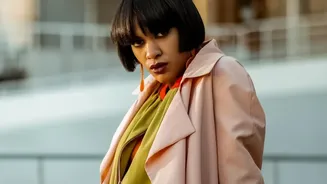




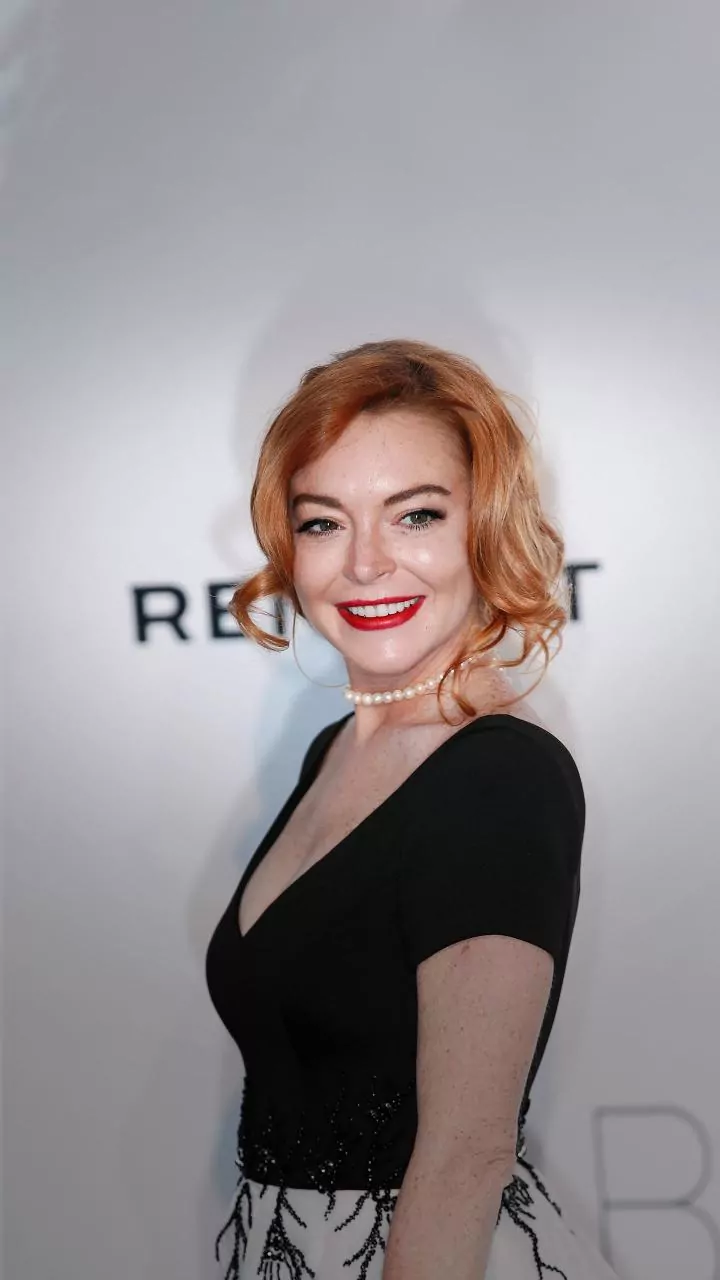
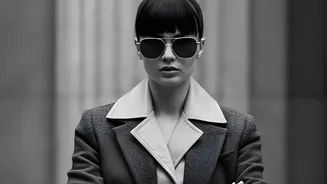


The Anatomy of the Look
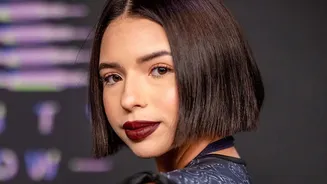
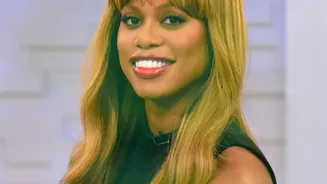
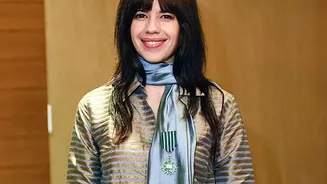
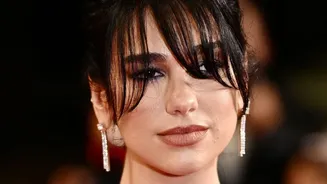
This hairstyle is all about creating softness and movement. Unlike a blunt, heavy fringe, a textured fringe is cut with choppy, uneven ends, giving it a piecey, lived-in feel. This is achieved through techniques like point-cutting, where the stylist snips
into the ends vertically. These are then blended with casual layers throughout the rest of the hair. These layers are designed to remove weight, not create a dramatically new shape, which allows your hair to move freely and naturally. The combination results in a look that feels both structured and carefree.
Why It's So Universally Flattering
The beauty of this cut lies in its adaptability. The layers add instant volume and body to fine or straight hair, preventing it from falling flat. For those with thick or wavy hair, the texturizing techniques remove bulk, allowing curls and waves to find their natural shape without feeling heavy. The fringe itself is a powerful tool for framing the face. It can be tailored to highlight your best features—drawing attention to the eyes or softening a strong jawline. Because the style is built on soft lines rather than harsh ones, it grows out gracefully, avoiding awkward in-between stages.
Is This Haircut Right for You?
This style is incredibly versatile, but the specifics can be adjusted for your face shape. Oval faces can carry almost any version of this cut. For round faces, a slightly longer, side-swept fringe can help create an elongating effect. Square face shapes are softened by a piecey fringe that grazes the cheekbones, while heart-shaped faces benefit from a lighter, wispier fringe that balances a wider forehead. The key is that the fringe can be customized in length and density to create the most harmonious look for your individual features.
How to Ask Your Stylist for This Cut
Clear communication is key to getting the haircut you want. Start by bringing in reference photos—this is the most effective way to show your stylist the vibe you're aiming for. Use descriptive words like 'soft,' 'piecey,' 'textured,' and 'lived-in.' Explain that you want a fringe with choppy ends, not a straight, blunt line. Ask for 'casual, subtle layers' that add movement and remove weight, rather than dramatic, short layers. You can also specify the length of the fringe you'd prefer, whether it's eyebrow-grazing or a bit shorter. A good stylist will discuss your hair type and lifestyle to tailor the cut perfectly for you.
Simple Styling for Effortless Results
One of the biggest draws of this haircut is its low-maintenance styling. For a casual, everyday look, often all you need is a little product and your fingers. After washing, you can let your hair air-dry to enhance its natural texture. A sea salt spray spritzed on damp hair can add grit and encourage waves. Once dry, work a small amount of matte paste or texturizing powder through the roots and ends of your fringe to create separation and definition. Unlike styles that require heat and precision, this look thrives on a bit of intentional messiness. For a refresh on the second day, a bit of dry shampoo at the roots can restore volume instantly.