



As the temperature drops, we instinctively reach for thicker blankets and warmer clothes. But what if one of the best ways to stay cosy comes from your kitchen? Indian culinary wisdom has long used whole grains to generate natural warmth from within.
The Science of Eating Warm
The feeling of warmth after a meal isn't just about the food's temperature; it's a process called the thermic effect of food (TEF) or diet-induced thermogenesis. Your body uses energy to digest, absorb, and metabolise what you eat, and this process generates heat. Foods that are more complex and take longer to break down, like proteins and complex carbohydrates, have a higher thermic effect. Whole grains are packed with complex carbs and fibre, meaning your digestive system has to work harder, which can slightly increase your body temperature and create a warming sensation.
Ayurveda's Wisdom on Winter Foods
Long before modern science explained thermogenesis, Ayurveda categorised foods based on their inherent energetic quality, or 'virya'. Foods are classified as either heating (ushna) or cooling (sheeta). During winter, Ayurvedic tradition recommends consuming warming foods to balance the body against the cold, dry qualities of the season. Grains like bajra are considered inherently warming. These are often combined with warming spices such as ginger, black pepper, and turmeric, which further support digestion and help kindle the body's internal fire, or 'agni'.
Bajra: The Winter Champion
Pearl millet, or bajra, is a quintessential winter grain, especially popular in the northern and western states of India. It is widely considered a warming grain because its complex carbohydrates release heat slowly during digestion, providing sustained energy and helping to maintain body temperature. Bajra is also a powerhouse of nutrients, rich in iron, magnesium, and fibre. A classic winter meal is a hot Bajra Roti, often served with a dollop of ghee and paired with seasonal vegetables like sarson ka saag (mustard greens), which enhances its warming properties and nutritional value.
Jowar: The Hardy and Hearty Staple
Jowar, or sorghum, is another excellent gluten-free grain for the winter season. Like bajra, it is known for its warming properties. The slow-digesting carbohydrates in jowar provide a steady release of energy, which helps in maintaining body heat on chilly days. Rich in fibre, jowar aids digestion, which can become sluggish in colder weather. It is also packed with essential vitamins and minerals that help boost the immune system against common winter illnesses. Enjoy it as Jowar Roti or bhakri, or use its flour to make a hearty porridge.
Ragi: The Versatile Nutrient Powerhouse
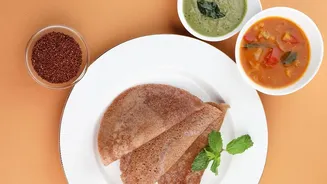
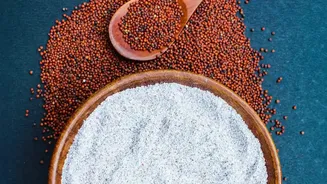
While some Ayurvedic texts classify ragi (finger millet) as a cooling grain, its preparation method makes it incredibly versatile for winter. When cooked into warm dishes like porridge, dosas, or the traditional Ragi Mudde from Karnataka, it becomes a comforting and energy‐dense meal perfect for cold days. Ragi's complex carbs provide sustained energy that can help warm the body. It is also celebrated for being a rich source of calcium and iron, which support bone health and combat fatigue, issues that can be more prominent in winter.
Making Your Grains Work for You
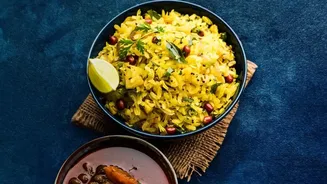
To maximise the warming benefits of these whole grains, preparation is key. Always opt for hot preparations like rotis straight off the tawa, warm porridges, or hearty khichdis. Pairing these grains with ghee not only adds flavour but is also a practice recommended in Ayurveda for its lubricating and warming qualities. Incorporating warming spices like cumin, ginger, black pepper, and cinnamon into your dishes will further enhance their thermogenic effect and support healthy digestion through the winter months.