






The Rise of the 'Dark Store'
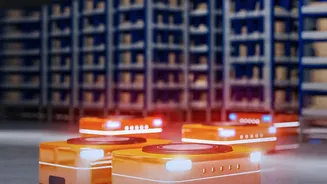
At the heart of this trend are micro-fulfillment centers (MFCs), often called 'dark stores'. These are not traditional retail shops but small, strategically located warehouses designed exclusively for online orders. Instead of vast, sprawling godowns
on the outskirts of a city, companies like Blinkit, Zepto, and Flipkart are setting up compact facilities deep within residential areas. This hyperlocal model is what makes 10- to 30-minute delivery possible. By positioning inventory closer to the customer, companies can drastically cut down on the last-mile delivery time, which is the most complex and expensive part of the logistics chain. This network of dark stores forms the backbone of the quick commerce industry, an explosive market that has conditioned consumers to expect near-instant service.
Why Tier 2 Cities are the New Frontier
For years, quick commerce was a battle fought in the dense, affluent neighbourhoods of Mumbai, Bengaluru, and Delhi-NCR. But with metro markets becoming saturated, the next wave of growth is undeniably in Tier 2 cities like Lucknow, Jaipur, Coimbatore, and Indore. Several factors are driving this strategic shift. Firstly, online retail is no longer a metro-centric phenomenon; nearly 60% of e-commerce buyers during recent festive sales came from Tier 2-plus cities. Secondly, the cost of real estate and labour is significantly lower than in major metros, allowing companies to scale their operations more affordably. Finally, a growing population in these cities with rising disposable incomes and smartphone penetration represents a vast, untapped market. Companies are realizing that the future of Indian retail hinges on capturing these mass-market landscapes.
A Surge in Local Job Creation
This expansion is creating a substantial number of jobs, fundamentally altering the employment landscape in smaller urban centres. The demand is not just for delivery partners, but for a wide range of warehouse operational roles. These include pickers, packers, loaders, inventory associates, sortation staff, and quality check executives. Job portals show active hiring for these positions by companies like Blinkit, Zepto, and Swiggy Instamart in cities such as Lucknow. This boom offers a crucial employment bridge, especially for workers without formal higher education, as many of these roles have low entry barriers. Recent data shows that hiring for temporary roles in Tier 2 and 3 cities is growing at a much faster pace (22-25%) compared to metros (14-16%), driven largely by e-commerce and logistics expansion.
The Economic Ripple Effect
The impact extends beyond direct employment. The setup of these logistics networks stimulates local economies by creating a new layer of urban infrastructure. This growth in warehousing and logistics is supported by government initiatives like the National Logistics Policy, which aims to improve connectivity and efficiency. The presence of major players like Amazon and Flipkart, who have established large-scale warehousing facilities in cities like Lucknow, Jaipur, and Coimbatore, signals a long-term investment in the region. This trend towards a more geographically distributed economic and employment base means opportunities are no longer concentrated in a handful of megacities. Workers can find stable employment closer to their hometowns, reducing the need for migration and fostering more balanced regional development.