


The Paradox of Plenty
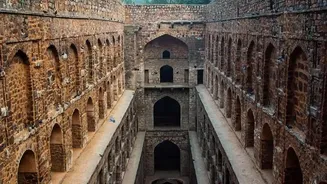
India receives ample rainfall, yet is classified as a water-stressed country. A combination of factors contributes to this, including rapid urbanisation which reduces groundwater recharge, a focus on supplying more water rather than managing demand, and the increasing
unpredictability of weather patterns due to climate change. Agriculture is the largest consumer of water, but domestic use still accounts for a significant portion, with urban households in India using around 135 litres per person per day. This is where our everyday habits come into play. While many of us know the basics, some actions have a far greater impact than others. The key is to focus on changes that deliver the most savings for the least effort.
High-Impact Habit 1: Rethink Your RO Purifier
Reverse Osmosis (RO) purifiers are common in Indian homes, but they are notoriously inefficient. A standard RO system can waste three to four litres of water for every one litre of purified water it produces. Over a year, this adds up to thousands of litres down the drain. Instead of letting this 'reject water' go to waste, collect it. This water is perfectly usable for mopping floors, washing utensils, cleaning your car, or watering plants. This single habit of reusing RO wastewater can save a family hundreds of litres every month, making it one of the most effective water conservation strategies for urban homes.
High-Impact Habit 2: Fix Leaks Immediately
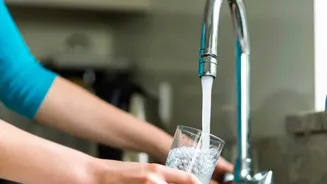
That slow drip from a tap or a constantly running toilet might seem minor, but it's a massive source of waste. A faucet dripping just once per second can waste over 11,000 litres a year. A leaking toilet is often even worse and can go unnoticed. To check for a toilet leak, add a few drops of food colouring to the cistern; if the colour appears in the bowl without flushing, you have a leak that needs fixing. Prioritising leak repairs over nearly any other habit provides a huge return. The water saved from fixing one significant leak can easily surpass the savings from years of turning off the tap while brushing.
High-Impact Habit 3: Embrace Greywater Recycling
Greywater is the relatively clean wastewater from your showers, washing machines, and bathroom sinks. In India, it's estimated that 31 billion litres of greywater are generated daily. Instead of letting it all go down the drain, this water can be recycled for uses like flushing toilets and gardening. While a full-fledged system requires planning during construction to separate plumbing, simpler diversion systems can be retrofitted to channel shower water directly to a garden. Reusing greywater can cut a household's freshwater demand by a third or more, making it a powerful tool for self-sufficiency.
Moderate-Impact Habits That Still Matter
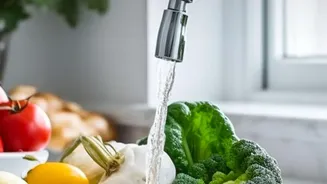
While the tips above offer the biggest savings, other habits are still worthwhile. Opting for a bucket bath over a shower, or at least shortening your shower time, makes a difference. A five-minute shower with a low-flow head uses significantly less water than a full bath. Similarly, running your washing machine only with a full load prevents wasting water on multiple small cycles. Installing water-saving aerators on taps is another easy win, reducing flow without a noticeable drop in pressure. And yes, turning off the tap while brushing your teeth or washing vegetables does save water—a running tap can waste over 6 litres per minute.
The Untapped Resource: Rainwater Harvesting
Finally, don't forget the original source. Rainwater harvesting, the practice of collecting and storing rainwater from rooftops, is mandatory for new buildings in many Indian cities for a reason. A 1000 sq ft rooftop can potentially harvest over 1,00,000 litres of water in a year, depending on local rainfall. This collected water, after basic filtration, can be used for most non-potable needs, significantly reducing reliance on municipal supply or groundwater and easing the burden on shared resources.