





Your Body's Built-In Air Conditioner
Think of your body as having a highly efficient, built-in cooling system. This system's main function is thermoregulation, the process of maintaining a stable internal temperature of around 37°C. When the scorching summer sun raises your body temperature,
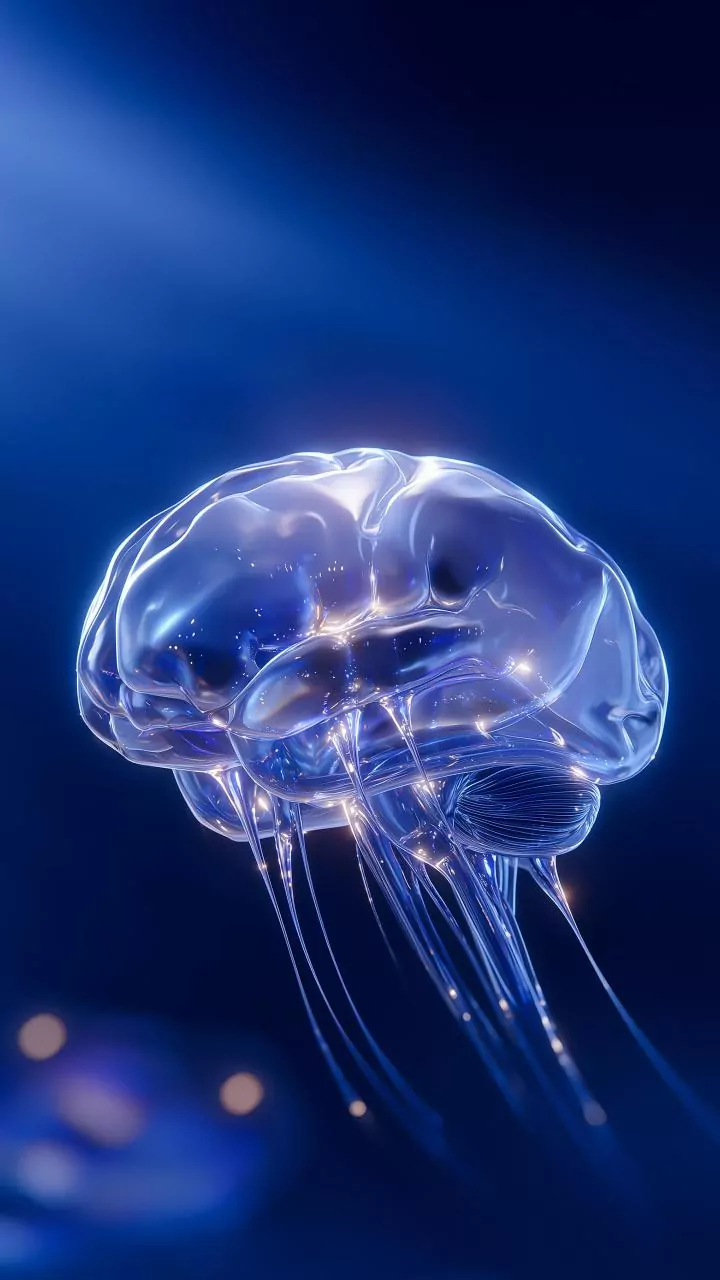
your brain's thermostat, the hypothalamus, kicks into gear. It signals millions of sweat glands to release sweat. This is where the magic happens: as sweat evaporates from your skin, it takes heat with it, effectively cooling you down. This process of evaporative cooling is your primary defence against overheating. But this entire system relies on one crucial ingredient: water.
What Happens When the Tank Runs Low?
Dehydration occurs when you lose more fluid than you take in. During an Indian summer, this can happen quickly through profuse sweating. When you're dehydrated, your body's cooling system starts to fail. The first thing that happens is a decrease in blood volume. Since blood, which is mostly water, is responsible for transporting heat from your core to your skin to be released, less blood volume means less efficient heat transfer. Your body, trying to conserve its remaining fluids, also reduces sweat production. This double-whammy—impaired heat circulation and less sweat for evaporation—causes your core temperature to rise, setting the stage for dangerous heat-related illnesses.
From Dehydration to Heatstroke
It's crucial to recognise the signs of dehydration early. Initial symptoms are often subtle: thirst, a dry mouth, fatigue, dizziness, and dark-coloured urine. If left unaddressed, this can progress to heat exhaustion, which involves symptoms like headaches, muscle cramps, nausea, and heavy sweating. The most severe stage is heatstroke, a life-threatening medical emergency. Warning signs of heatstroke include a high body temperature (above 103°F), confusion, slurred speech, a rapid pulse, and hot, red, dry skin where the body has lost its ability to sweat. At this point, immediate medical attention is required.
It's Not Just About Water
While drinking water is essential, it's only half the story. When you sweat, you don't just lose water; you also lose crucial minerals called electrolytes, such as sodium, potassium, and magnesium. These electrolytes are vital for nerve function, muscle contractions, and, most importantly, helping your cells absorb and retain water. Drinking large amounts of plain water without replenishing electrolytes can sometimes dilute the minerals in your body, leading to an imbalance that can still cause fatigue and muscle cramps. This is why simply chugging water might not be enough during intense heat or after heavy exercise.
Smart Hydration Strategies for Indian Summers
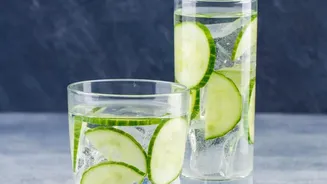
The standard 'eight glasses a day' rule often isn't enough for an Indian summer. Experts suggest that adults may need anywhere from 3 to 4 litres of total fluid daily, depending on their activity level and exposure to heat. Don't wait until you're thirsty—by then, you're already dehydrated. Sip fluids steadily throughout the day. Incorporate natural electrolyte drinks like nimbu pani (lemon water with salt and sugar), coconut water, or chaas (buttermilk) into your routine. You can also 'eat' your water. Around 20% of our fluid intake comes from food. Fill your plate with hydrating foods like cucumber (96% water), watermelon (92% water), tomatoes, and spinach to support your hydration from the inside out.