






Why a 15-Minute Reset Matters
Dedicating a small amount of time each week—often just before a grocery run—to reset your kitchen can have an outsized impact. A tidy kitchen is not just about appearances; it’s about function and peace of mind. Research has shown that cluttered environments
can increase stress and negatively affect our focus. By creating an organised space, you make meal planning and cooking faster and more enjoyable. This weekly habit also leads to significant financial savings by reducing food waste; when you know what you have, you are less likely to buy duplicates or let good food spoil. Think of it as a 'closing shift' for your home, a concept borrowed from the restaurant industry where tidying up at the end of the day ensures a smooth start for the next.
Step 1: The Refrigerator Audit
Start with the most critical zone: the refrigerator. Begin by taking a full inventory. Go through each shelf and drawer, pulling out leftovers, produce, and condiments. This is your chance to discard anything that is past its prime. For leftovers, a good rule is to toss them after three or four days. Consolidate nearly empty jars and containers. Most importantly, create an “eat-me-first” bin or shelf. This designated spot is for items that need to be used within the next day or two, such as ripe avocados, leftover cooked vegetables, or an open container of yogurt. Placing this at eye level ensures it gets noticed and used, preventing needless waste. A quick wipe-down of any sticky shelves or drawers during this process will also keep the space clean and fresh.
Step 2: A Pantry and Counter Sweep
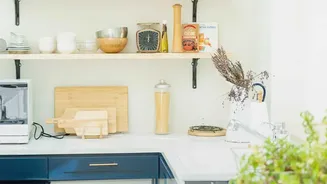
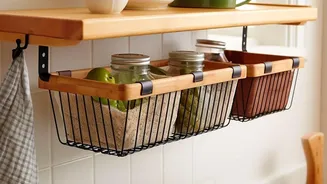
Next, move on to your pantry and countertops. Scan your shelves for open packs of crackers, grains, and snacks. Consolidate them into airtight containers to maintain freshness and save space. Check the dates on cans and dry goods, rotating older items to the front so they get used first—a method professionals call FIFO (First In, First Out). Then, turn your attention to the countertops. These flat surfaces are magnets for clutter, from mail and keys to appliances you rarely use. Clear everything that doesn't belong, putting items back in their designated homes. Wiping down the newly cleared surfaces provides a clean slate for the week ahead, making daily meal prep feel less like a chore and more like a pleasure.
Step 3: Assess Storage and Plan Ahead
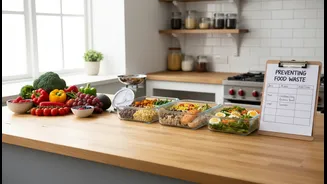
With your fridge and pantry decluttered, you can now accurately assess your available storage. This is the perfect moment to see what you truly need before heading to the grocery store. Take note of staples you're low on and, just as importantly, what you have in abundance. This prevents accidentally buying a third jar of mustard when two are already hiding in the back of the fridge. Check your supply of food storage containers. Are they clean and ready for the week's meal prep and leftovers? Having containers available makes it easier to store food properly. This final step connects your reset directly to your planning for the upcoming week, ensuring you shop smarter, waste less, and have the space and tools ready for whatever you plan to cook.