





The Airport That Changed Everything
The massive jump in travel interest for Rupsi isn't because of a new resort or a viral video, but something far more fundamental: access. The key driver behind this trend is the revival of Rupsi Airport. Originally a World War II-era airstrip, the airport
was defunct for decades after commercial operations ceased in 1984. Its reopening in May 2021 under the central government's UDAN scheme has been a game-changer for western Assam. By connecting the region to major hubs like Guwahati and Kolkata, it has effectively put this historically disconnected area on the modern travel map. This newfound accessibility is the direct cause of the surge in curiosity, as travellers now see a viable way to explore a part of India that was previously hard to reach.
Connecting India Through UDAN
The revival of Rupsi Airport is a prime example of the UDAN (Ude Desh ka Aam Naagrik) scheme in action. The program is designed to enhance regional air connectivity across the country and make air travel more affordable for everyone. By subsidising flights on regional routes, the scheme helps operationalise underused and non-operational airports, thereby boosting local economies and tourism. For travellers, this means cheaper fares and direct access to destinations that once required long and complex journeys by road or rail. The success at Rupsi demonstrates how strategic infrastructure development can unlock the potential of lesser-known regions and bring them into the national tourism fold.
Beyond the Runway: A Gateway to Discovery
So, what awaits travellers who fly into Rupsi? The airport serves as a gateway to the rich cultural and natural tapestry of Lower Assam. The nearby town of Dhubri, situated on the banks of the mighty Brahmaputra River, is a major cultural and religious hub. It is home to the revered Gurudwara Sri Guru Teg Bahadur Sahib Ji, a significant Sikh pilgrimage site. History enthusiasts can explore the royal palace at Gauripur, while craft lovers can visit the village of Asharikandi, famous for its traditional terracotta handicrafts. This blend of history, faith, and artistry provides a deep and authentic travel experience that contrasts with more mainstream tourist circuits.
A Haven for Nature Lovers
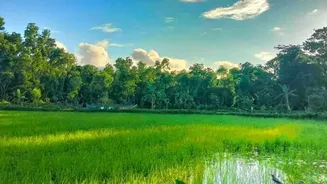
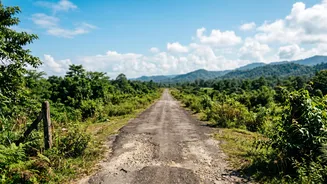
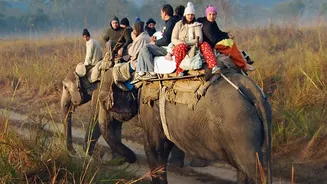
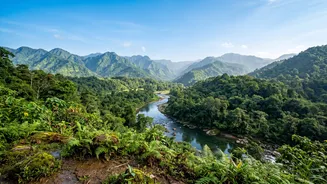
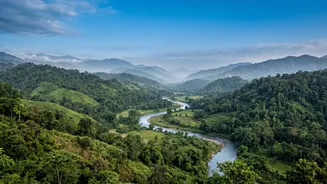
The region around Rupsi is also a treasure trove for wildlife and nature enthusiasts. The airport provides convenient access to several important ecological sites. Chief among them is the Chakrashila Wildlife Sanctuary, which is celebrated as the second protected habitat for the endangered golden langur, a rare and beautiful primate. The sanctuary's hilly terrain, dense forests, and serene lakes make it an ideal spot for bird watching and trekking. Slightly further afield is the newly designated Raimona National Park, another biodiversity hotspot known for its rich flora and fauna. For those seeking scenic beauty, Saralpara offers picturesque landscapes at the foothills of Bhutan, perfect for picnics and day trips. These natural attractions offer a quiet retreat and a chance to connect with the region's unique ecosystems.
The Future of Northeast Travel
The surge in searches for Rupsi is more than just a passing trend; it signals a broader shift in how Indian travellers are looking to explore their own country. There's a growing appetite for destinations that offer unique experiences away from the crowds. The success of Rupsi highlights the immense, largely untapped tourism potential of Northeast India. As connectivity improves through initiatives like the UDAN scheme and infrastructure projects like the under-construction Dhubri-Phulbari bridge, more hidden gems across the seven sister states are likely to emerge. This is not just good news for adventurous travellers but also for the sustainable economic development of the entire region, promising a future where local culture and natural heritage are the main attractions.