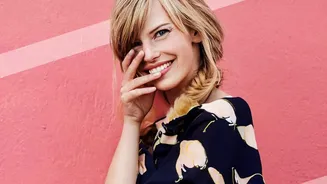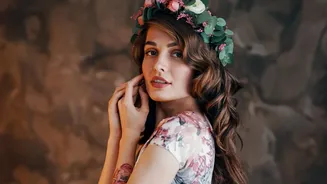

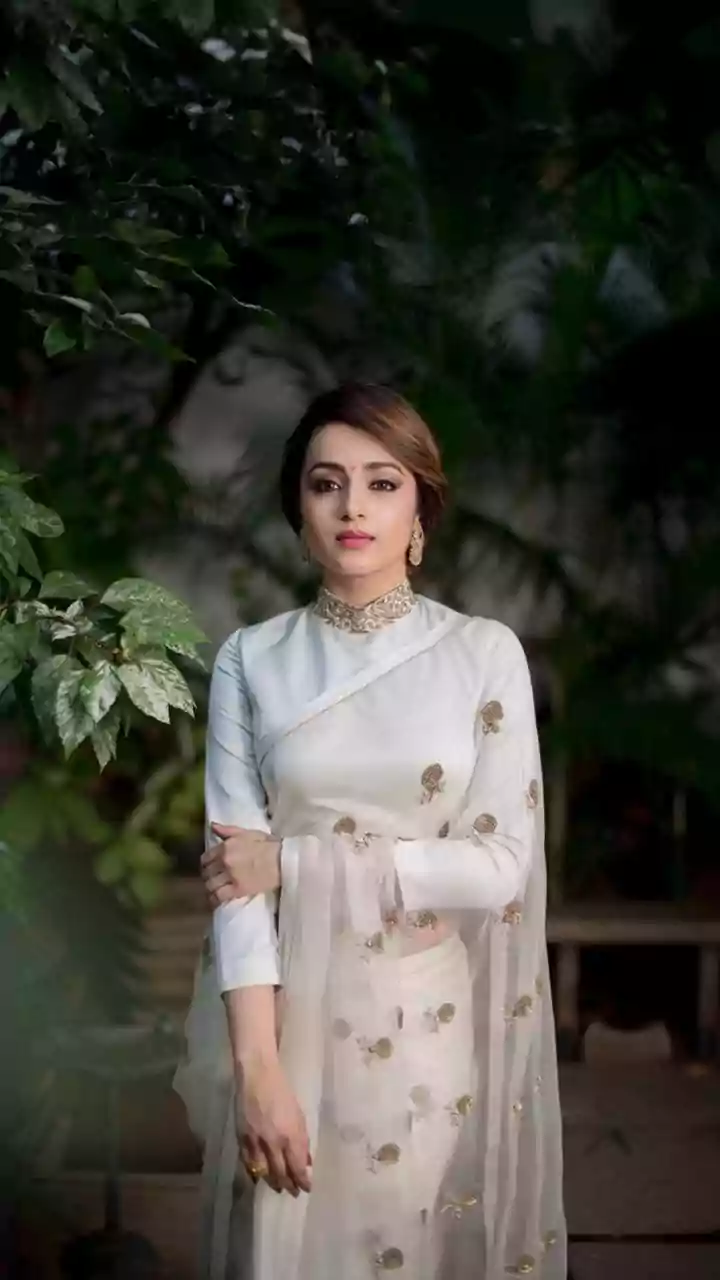
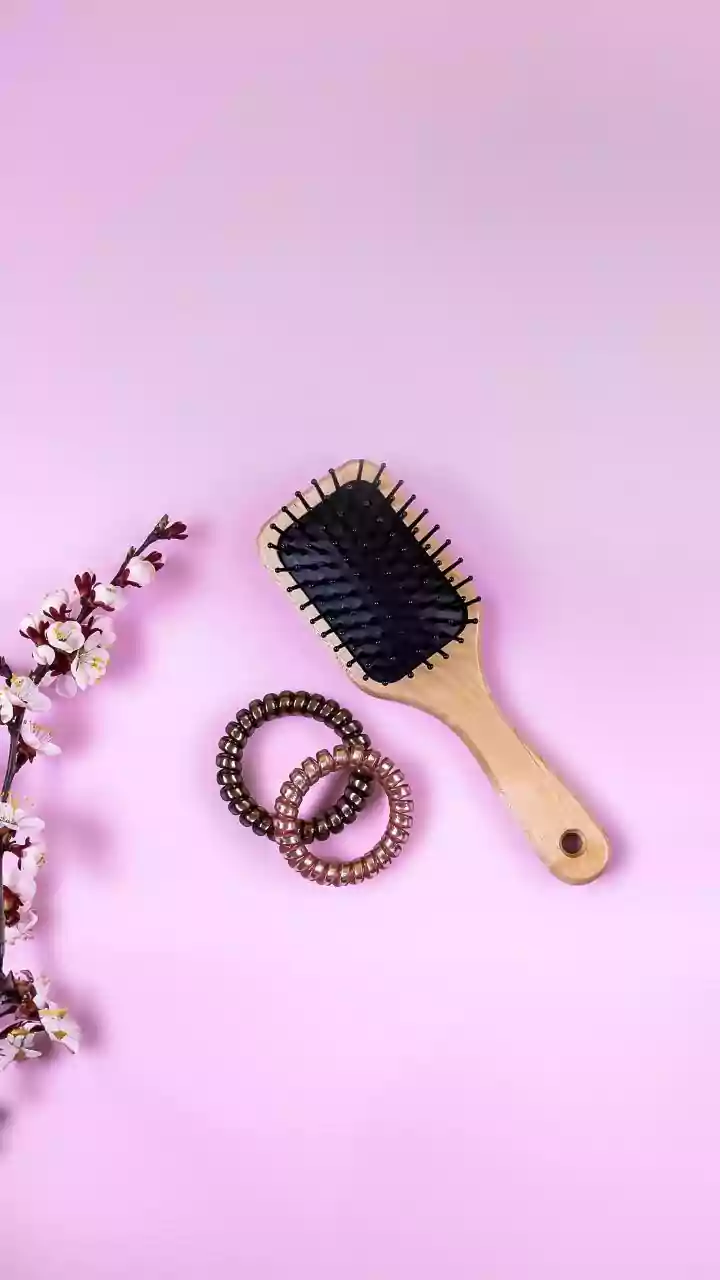


An elegant bun adorned with fresh flowers is a timeless statement of romance and sophistication. Yet, adding soft, loose tendrils to frame the face elevates the style, creating a look that feels both perfectly polished and wonderfully effortless.
The Allure of Perfect Imperfection
The magic
of this hairstyle lies in its beautiful contrast. A floral bun, whether it's a sleek chignon or a more textured knot, provides structure and elegance. It’s a classic updo often associated with formal events and bridal looks. However, the addition of loose, face-framing strands introduces a touch of softness and whimsy. These tendrils break up the severity of a tight updo, creating a more romantic and approachable feel. This balance of polished structure and relaxed detail makes the style incredibly versatile, fitting for everything from a garden wedding to a sophisticated evening affair. Celebrities like Alia Bhatt have often been seen sporting variations, from messy buns with a few added flowers to more elaborate styles with dishevelled, loose strands and white roses.
How to Select the Perfect Blooms
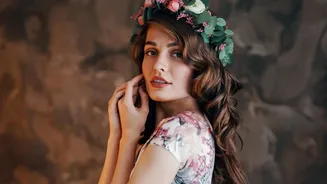
Choosing the right flowers is essential. Your choice will influence the overall mood of the hairstyle. For a delicate and classic look, small, sturdy flowers like baby's breath, waxflowers, or spray roses are excellent choices. They can be tucked individually into the bun or along a braid without adding too much weight. For a bolder statement, consider larger blooms like roses, dahlias, or carnations. However, be mindful of their weight; it's often better to use a few strategically placed larger flowers rather than an entire crown, which can overwhelm the style. If you're concerned about wilting, high-quality silk flowers or dried options are fantastic alternatives that provide longevity and are lighter in weight. When using fresh flowers, ask your florist to prep them with short, wrapped stems to help them last longer.
Mastering the Art of the Tendril
The key to a beautiful face-framing effect is making the tendrils look intentional, not accidental. These are not simply stray hairs; they are carefully selected and styled pieces. Start by pulling out small sections of hair around your hairline before you create your bun. Focus on the areas by your temples and just in front of your ears. The thickness can vary from wispy and fine to slightly thicker pieces, depending on your preference. Use a small-barrel curling iron to create a soft, 'S'-shaped wave rather than a tight curl. This adds gentle movement that complements your features. A light spritz of texturizing spray can give them a bit of hold and separation without making them stiff. The goal is an effortless look that feels soft and romantic.
Creating the Floral Bun Foundation
With your tendrils separated, you can build your bun. The type of bun you choose sets the tone. A low, sleek chignon at the nape of the neck offers a timeless and sophisticated base. A higher, messier bun provides a more modern and bohemian vibe. For added texture and romance, consider a braided bun. You can create one or two simple braids and wrap them into a bun, or even attempt a more intricate style like a 3D flower braid. Once your bun is secured, you can begin placing your chosen flowers. Use bobby pins to carefully secure each stem into the base of the bun, clustering them together or scattering them for a more organic feel.
Customising for Your Face Shape
One of the greatest strengths of face-framing pieces is their ability to flatter every face shape when customized correctly. For round or square face shapes, longer tendrils that fall past the chin can create an elongating effect, softening the jawline. Those with heart-shaped faces might opt for wispier, chin-length layers to balance a wider forehead. For oval faces, most tendril lengths and styles will work well, so feel free to experiment. The key is to use the tendrils to draw attention to your best features and create a harmonious balance.