




First, What Is Podi?
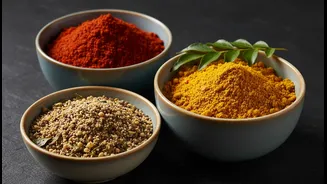
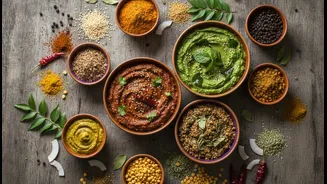
For the uninitiated, podi is a staple condiment in South Indian homes, a coarse powder made from a mixture of roasted lentils (like chana dal and urad dal), seeds, and spices. The name 'podi' simply translates to 'powder' in several South Indian languages.
There are countless variations, from the lentil-forward paruppu podi to the fragrant karuveppilai podi (curry leaf). Its most famous nickname is 'gunpowder', a moniker likely given for its explosive flavour and fiery kick, not any actual explosive ingredients. Traditionally, this flavour bomb is mixed with ghee or sesame oil and served as an accompaniment to idlis, dosas, and rice, instantly elevating a simple meal.
From Comfort Food to Culinary Trend
For generations, podi has been a symbol of home cooking, a taste of comfort and tradition passed down through families. Its history is long, with spiced powders mentioned in ancient Tamil literature as a practical solution for flavour and preservation before refrigeration. But in recent years, a new generation of chefs in urban gastropubs and modern Indian eateries has rediscovered its potential. Seeking to innovate while staying true to their roots, they are looking at traditional ingredients through a contemporary lens. Podi, with its complex, pre-blended profile of nutty, spicy, and earthy notes, presents the perfect tool for this culinary fusion.
The Genius of Grit and Flavour
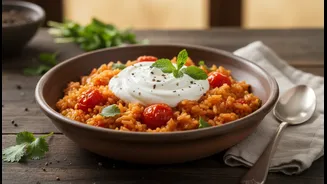
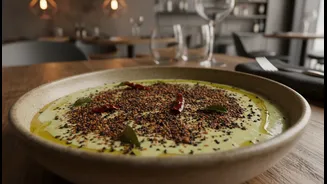
The magic of using podi in a dip lies in the beautiful contrast of texture and taste. Creamy bases like Greek yoghurt, labneh, hummus, or even a classic mayonnaise are given new life with the addition of podi. The coarse, granular texture of the ground lentils and spices provides a surprising and satisfying crunch that cuts through the smoothness of the dip. Flavour-wise, the roasted, nutty depth from the dals and the warm heat from the chillies provide a complex counterpoint to the richness of the dairy or chickpeas. It's a combination that hits multiple sensory notes at once: creamy, crunchy, spicy, and savoury.
A Modern Nod to Nostalgia
This trend is more than just a clever culinary trick; it’s a cultural statement. For many Indian diners, finding podi on a modern menu is a delightful nod to their childhood. It bridges the gap between the food they grew up with and the global dining formats they enjoy today. Chefs are using it to craft inventive dishes like 'gunpowder fries' with podi aioli, tossing it on avocado toast, or whipping it into feta and yogurt dips served with pita or vegetable sticks. It’s a way of celebrating heritage, offering a taste of home in an exciting, globally accessible package that appeals to both nostalgic locals and adventurous foodies.
Beyond the Dip
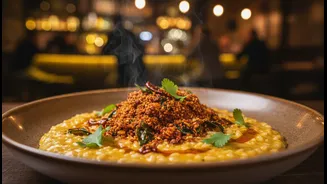
While dips are a popular gateway, the gastropub embrace of podi doesn't stop there. This versatile spice mix is finding its way into a host of other fusion creations. You might see it used as a dry rub for grilled meats, sprinkled over roasted vegetables, or even tossed with pasta for a uniquely Indian-Italian dish. One chef even created a viral 'ghee podi spaghetti', demonstrating the endless possibilities of this humble powder. These applications prove that podi is not just a condiment but a powerful seasoning that can build a foundation of flavour in a wide array of dishes, far beyond its traditional pairings.