






The Habit Hiding in Your Kitchen
The single most impactful green habit that everyone can and should adopt is consciously reducing food waste. It sounds simple, almost too simple to be revolutionary. But the journey from your farm to your plate is long and resource-intensive. When we
throw away food, we’re not just discarding leftovers; we're wasting the water, energy, labour, and land that went into producing it. In India, it's estimated that up to 40% of food produced is wasted. This isn't just about large-scale agricultural losses; a significant portion of this waste happens right inside our own homes, in our refrigerators and bins.
Why Food Waste is a Climate Issue
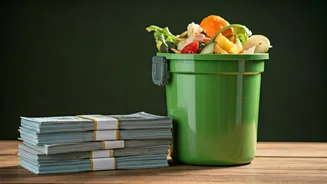
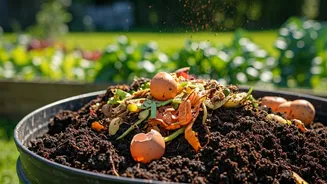
When food scraps end up in a landfill, they get buried under piles of other trash and decompose without oxygen. This process releases methane, a greenhouse gas that is over 25 times more potent at trapping heat in the atmosphere than carbon dioxide. Globally, if food waste were a country, it would be the third-largest emitter of greenhouse gases after the USA and China. Beyond the climate impact, there's a direct hit to your wallet. An average Indian family can waste thousands of rupees worth of food every year. By tackling food waste, you are not only fighting climate change from your kitchen but also saving a significant amount of money.
Step 1: The Smart Shopping List
The first step to reducing waste happens before you even cook. It begins at the shop. Instead of wandering the aisles and buying what looks good, create a meal plan for the week. Before you leave the house, take a quick inventory of your fridge and pantry. What do you already have? What needs to be used up first? Base your shopping list on this. This simple discipline prevents impulse buys and ensures you only purchase what you realistically need. It also saves you from that familiar feeling of finding a forgotten, wilted bunch of coriander at the back of your fridge a week later.
Step 2: Use Every Part
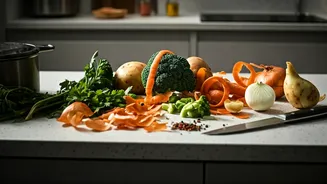
Our grandparents knew the value of using every part of a vegetable. It’s a habit we can easily revive. Don’t throw away cauliflower stems and leaves; they can be chopped up and thrown into a sabzi or stir-fry. Broccoli stalks are delicious when peeled and roasted. Vegetable peels from carrots, potatoes, and lauki (bottle gourd) can be boiled with some herbs to create a flavourful vegetable stock. Even the water used to boil dal or vegetables is packed with nutrients and can be used as a base for soups or kneaded into chapati dough. This 'root-to-stem' approach doubles the value you get from your produce and slashes your waste.
Step 3: Get Creative with Leftovers
The word 'leftover' needs a rebrand. Think of it as 'planned-over'. Leftover rice can become delicious fried rice or lemon rice the next day. Extra dal can be thickened and used as a paratha stuffing. Stale bread can be turned into croutons for soup or bread upma. The key is to store leftovers properly in clear, airtight containers so you can see what you have. Designate one night a week as a 'use it up' night, where you create a meal from all the odds and ends in your fridge. It’s a fun, creative challenge that prevents perfectly good food from meeting a sad end in the dustbin.