

The Inevitable Goodbye
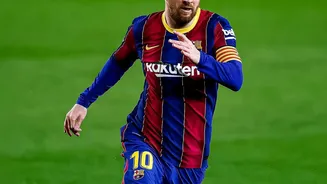
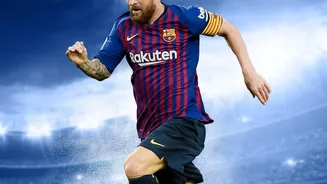
The reality of Messi's exit was stark and brutal. FC Barcelona was in the depths of a financial crisis, with debts reportedly exceeding €1 billion. La Liga's strict salary cap rules made it impossible for the club to register a new contract for their
greatest-ever player, even after Messi agreed to a 50% pay cut. President Joan Laporta, who had run on a platform of keeping Messi, was forced to make a decision he described as the best for the club's long-term health, not his heart. The tearful press conference was not just an emotional farewell; it was the public admission of a systemic failure that had been years in the making. The departure was a bombshell, but in retrospect, it was the inevitable result of financial mismanagement.
A Kingdom Built on Sand
In an alternate timeline where Messi stays, the immediate euphoria would have quickly faded. The fundamental problem would have remained: Barcelona was broken. Keeping Messi, even at a reduced cost, would have been a monumental financial strain, likely preventing the club from making the painful but necessary changes to its wage structure. The 'economic levers' Laporta pulled to fund a rebuild in the real world might have been impossible while servicing the GOAT's contract. It’s likely the club’s recovery would have been severely delayed. Instead of a hard reset, Messi’s continued presence might have simply papered over the deep cracks in the foundation, forcing the club to live in a state of perpetual financial jeopardy, selling off future assets just to get through the next season.
The Xavi Project and a New Dawn
Without Messi, Barcelona turned to another club legend, Xavi Hernandez, to lead a cultural and tactical reboot. His mandate was clear: rebuild the team's identity around the principles of positional play, hard work, and discipline—and most importantly, without a singular, dominant superstar. Young talents from the club's famed La Masia academy, such as Pedri, Gavi, and Lamine Yamal, were not just promoted; they were handed the keys to the first team. This painful transition forced an accelerated growth that defined the post-Messi era, culminating in a La Liga title in 2022-23 built on a new, collective identity. Had Messi stayed, would this revolution have even been possible? Xavi's project would have inevitably revolved around Messi, potentially hindering the development of the very players who now represent the club's future.
The World Cup Paradox
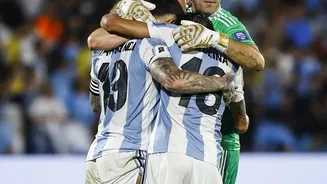
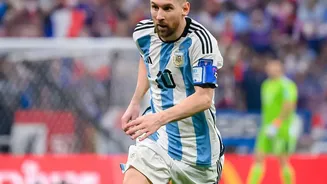
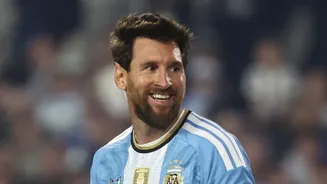
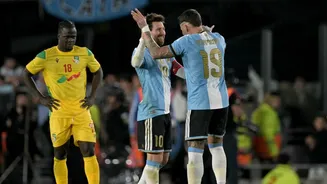
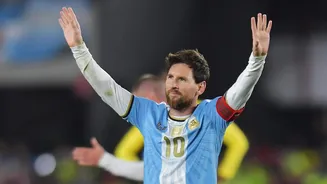
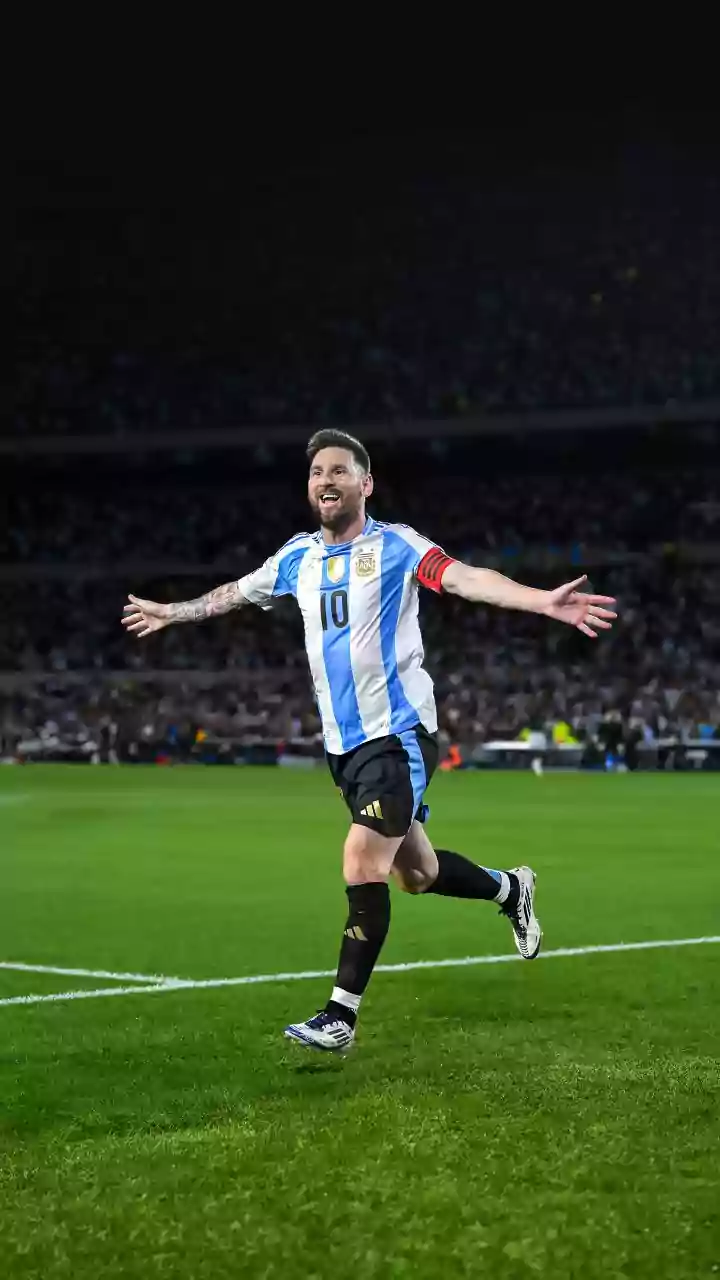
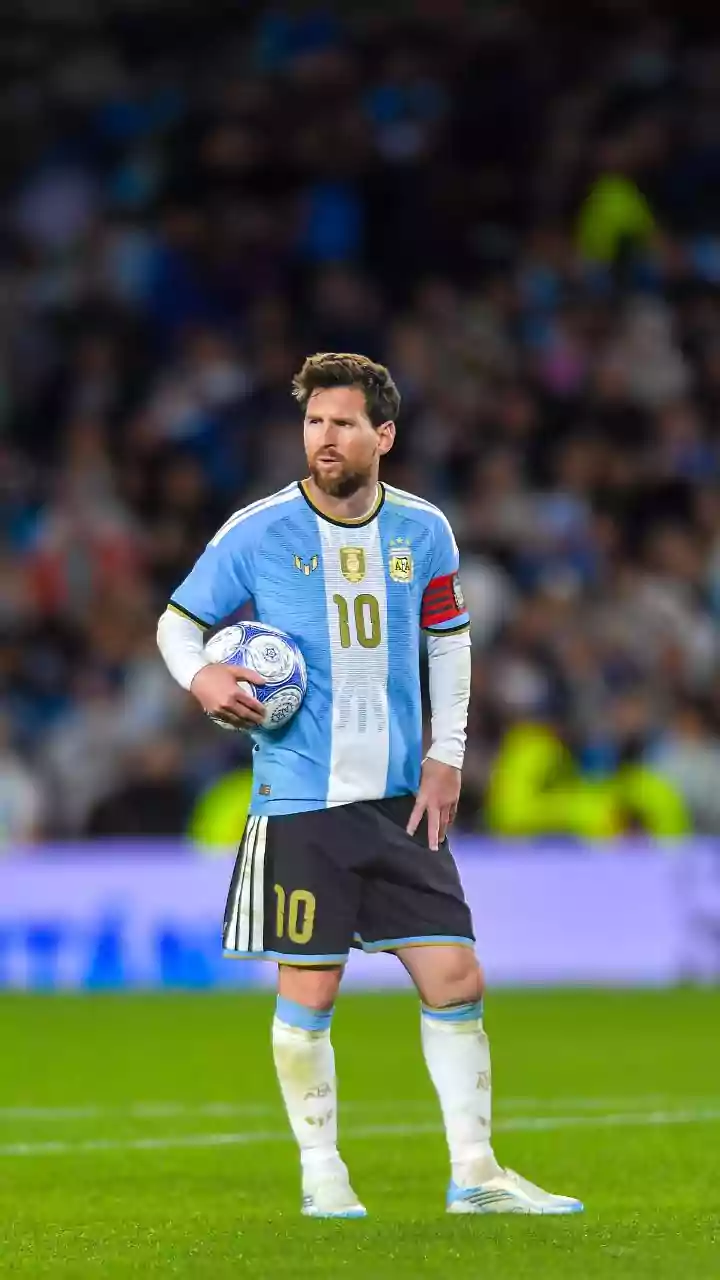
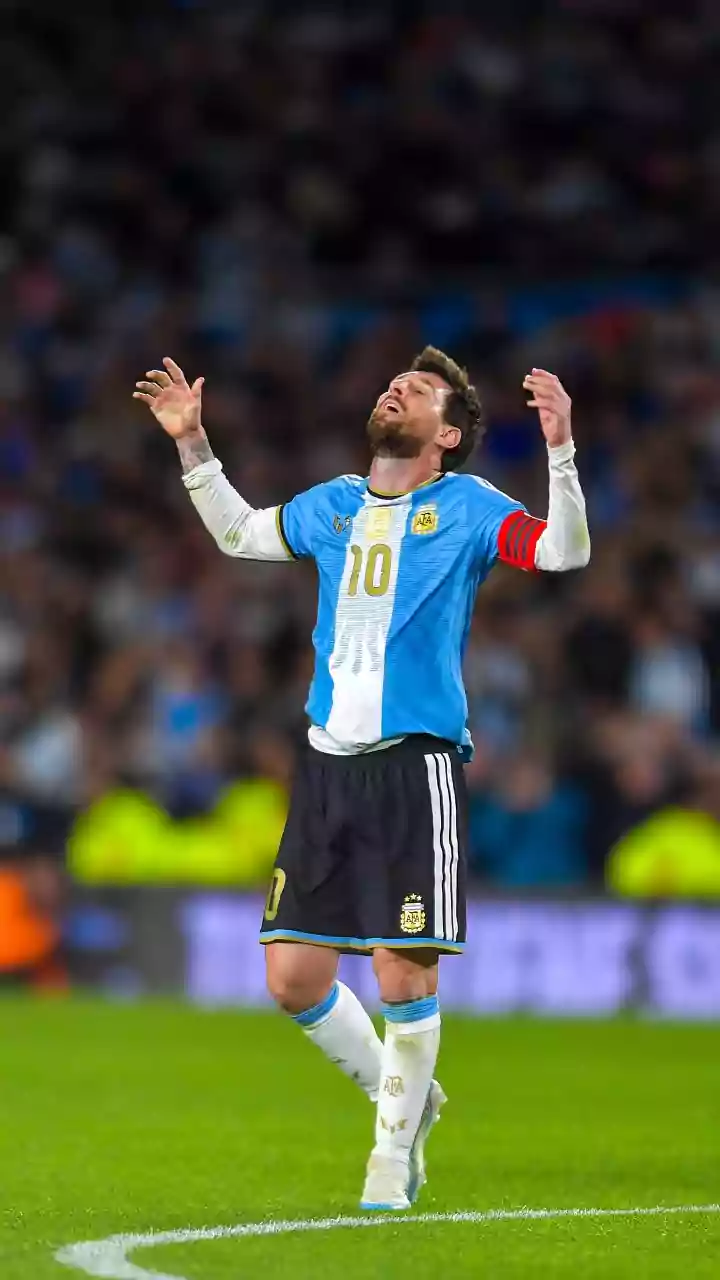
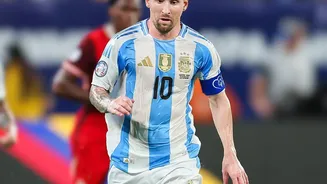
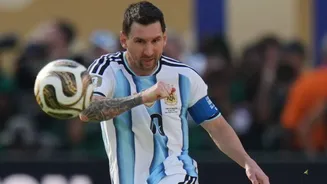
Perhaps the most fascinating ripple effect concerns Messi himself. His two-year spell at Paris Saint-Germain was largely seen as a disappointment, marked by a failure to win the Champions League and audible jeers from his own fans. Yet, some analysts argue this relatively lower-pressure environment allowed him to manage his fitness and focus singularly on the one prize that had eluded him: the FIFA World Cup. In 2022, he led Argentina to glory in Qatar, completing his story and cementing his legacy as the undisputed greatest of all time. It's a cruel paradox to consider: if he had stayed at a struggling Barcelona, carrying the immense weight of the club's on-field hopes every single week, would he have had the physical or mental energy to lead Argentina to that historic triumph? His departure from home may have been the key that unlocked his ultimate destiny.