






Why Eat Seasonal in the Monsoon?
The rainy season, while beautiful, is also a time when our immunity can take a dip and digestive issues can become more common. The increased humidity in the air creates a breeding ground for bacteria and fungi. Eating seasonal produce is a simple and effective
way to bolster your body's defences. Fruits and vegetables harvested during this time are often packed with specific nutrients like Vitamin C, antioxidants, and fibre that help boost immunity, aid digestion, and fight inflammation. They are not only fresher and more flavourful but also more nutritious, as they are picked at their peak.
Jamun (Indian Blackberry)
The deep purple Jamun is an iconic monsoon fruit. It's a low-calorie powerhouse packed with iron, potassium, and vitamins. Traditionally, jamun is celebrated for its antimicrobial properties, making it an ideal fruit to consume when the risk of infections is high. Its astringent nature helps in keeping digestive issues at bay. Furthermore, compounds in jamun are known to help in managing blood sugar levels, making it a beneficial snack for many.
Peaches and Plums
Don't miss out on juicy peaches and plums, which are at their best during the monsoon. Peaches are an excellent source of Vitamin C, a crucial nutrient for strengthening the immune system. They also contain Vitamin A, which is great for skin health, and dietary fibre that promotes good gut health. Plums are loaded with antioxidants. The reddish-blue pigment in them, known as anthocyanin, has anti-inflammatory properties that can help the body combat seasonal ailments.
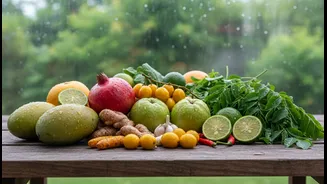
Pomegranate (Anaar)
Pomegranates are another fantastic fruit for the rainy season. They are renowned for their immunity-boosting properties, helping the body fend off common infections like colds and flu. Rich in powerful antioxidants, pomegranates help reduce inflammation in the body. They are also a great source of iron, which is vital for maintaining healthy haemoglobin levels and keeping your energy up during the gloomy monsoon days.
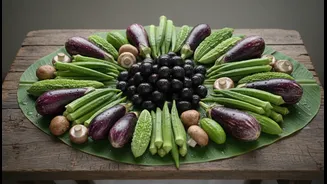
The Gourd Family (Lauki, Turai, Karela)
The monsoon is the season of gourds, and for good reason. Vegetables like Bottle Gourd (Lauki), Ridge Gourd (Turai), and Bitter Gourd (Karela) are staples in Indian households during this time. They are incredibly light on the stomach and easy to digest, which is a blessing when the humid weather slows down our digestive system. Bottle gourd is hydrating, while bitter gourd is famed for its ability to regulate blood sugar and cleanse the system. Pointed Gourd (Parwal) is another excellent choice, known for being rich in fibre and vitamins.
Okra (Bhindi) and Corn (Bhutta)
Okra, or Bhindi, thrives in the warm and humid conditions of the monsoon, making it fresh and tender during this season. It is a good source of dietary fibre, Vitamin C, and Vitamin A. No monsoon experience is complete without a roasted corn on the cob, or 'bhutta'. Corn is not just a delicious snack but also a healthy one. It is high in fibre, which aids digestion, and contains antioxidants that are beneficial for overall health. It's the perfect, warming snack for a rainy evening.
A Note on Leafy Greens
While leafy green vegetables are generally very healthy, it's wise to be a bit cautious during the monsoon. The excess moisture can make them more susceptible to dirt, grit, and germs. If you do consume them, ensure they are washed thoroughly, preferably in warm water with a bit of salt, and cooked properly rather than eaten raw to avoid potential infections.