
A New Culinary Identity
For generations, the Indian bakery was synonymous with cream cakes, white bread, and familiar sugar-loaded cookies. While delicious, these offerings were largely influenced by Western styles. Today, a new wave of culinary artists is reshaping this landscape.
They are looking inward, drawing inspiration from the vast pantry of Indian flavours, spices, and even traditional sweets (mithai) to create something entirely new. This movement blends the precision of French pastry-making with the soulful, complex tastes of India. The result is a vibrant fusion that speaks to a modern, global Indian palate—one that craves both innovation and the comforting taste of home.
From Mithai to Macarons
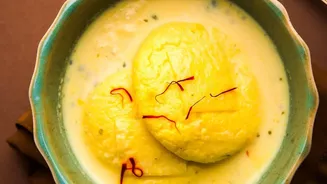
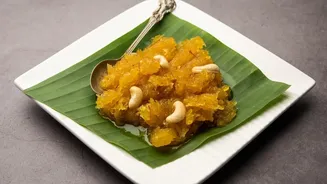
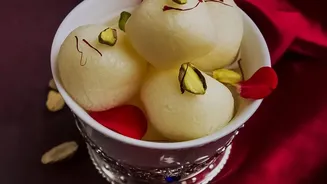
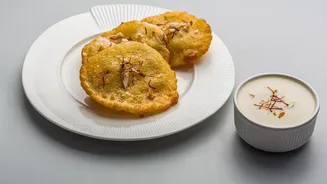
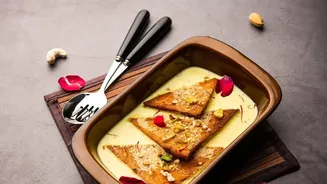
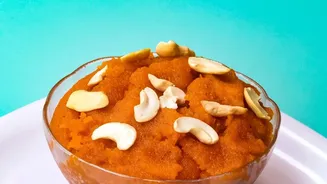
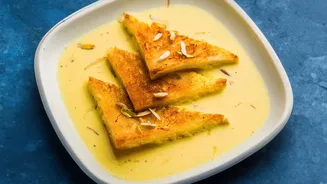
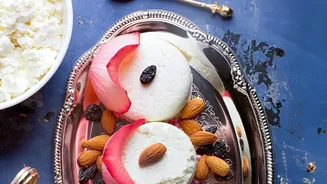
The creativity of this trend is best seen on the menus of modern patisseries and cafes. Think of a Gulab Jamun Cheesecake, where the beloved syrupy sweet is transformed into a creamy, decadent cake. Or consider a Rasmalai Cake, which layers the delicate, milky flavours of the classic dessert into a fluffy sponge. The experiments are endless and exciting: Chai-spiced cupcakes, saffron-infused crème brûlée, motichoor ladoo tarts, and even gajar ka halwa reimagined as a crumble tart or cake. Bakers are also deconstructing traditional flavours and textures. You might find a choux pastry filled with the flaky goodness of patisa or a cake infused with the floral notes of paan and gulkand. It's a playful yet respectful nod to heritage, where every bite is both a surprise and a fond memory.
More Than Just a Sweet Tooth
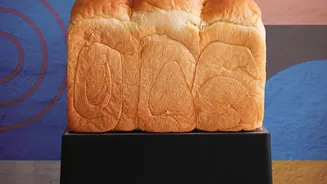
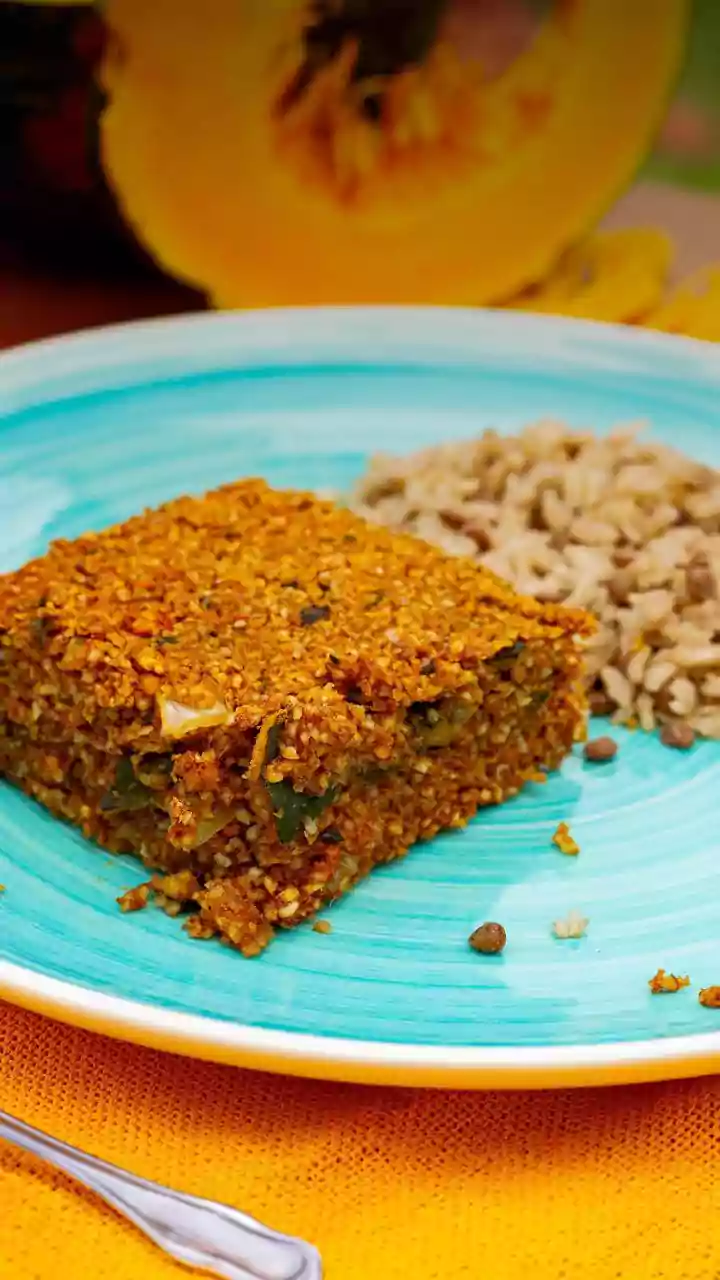
This fusion isn't limited to desserts. The art of bread-making is also getting an Indian-inspired makeover. Sourdough loaves are being infused with traditional spices, while ancient grains like millets and ragi are finding their way into brownies and muffins. This shift is partly driven by a growing health consciousness among consumers, who are seeking nutritious alternatives without sacrificing the flavours they grew up with. Using natural sweeteners like jaggery and ingredients with deep cultural roots allows bakers to offer products that feel both wholesome and indulgent. This approach helps younger generations connect with their culinary roots in a modern, accessible format. When a millet cookie evokes memories of a grandmother's kitchen, it becomes more than just a snack; it's an emotional connection.
The Artisans Behind the Apron
This movement is spearheaded by skilled chefs who often have international training but a distinctly Indian vision. Pastry chefs like Pooja Dhingra, who trained in Paris, returned to India to introduce French classics like the macaron, eventually adapting them with local flavours to appeal to the Indian palate. Similarly, Tejasvi Chandela brought her European training back to Jaipur, where she began marrying mithai concepts with French techniques, a process she describes as both challenging and fun. These chefs are not just copying recipes; they are conducting deep research into how the chemistry of Indian sweets can work in harmony with European baking methods. This blend of scientific understanding and cultural artistry is creating a new generation of bakers who are redefining what an Indian dessert can be.