





The Allure of the Natural Aesthetic
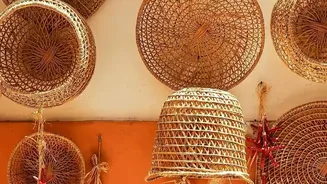
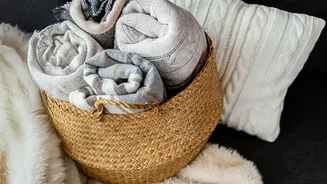
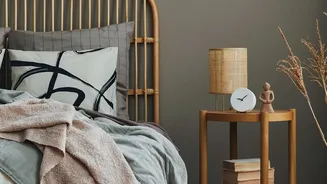
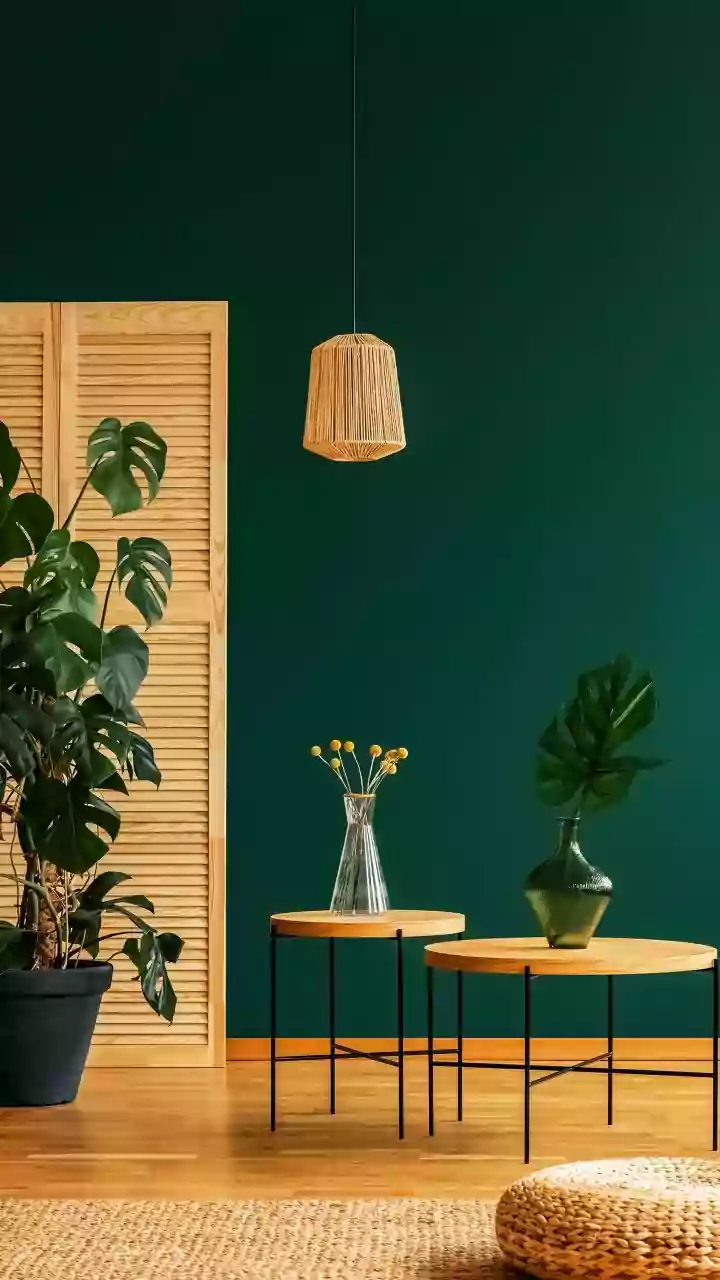
Scroll through any Indian interior design feed, and you’ll see it: the warm, bohemian charm of jute rugs, cane chairs, wicker baskets, and rattan lamps. This trend taps into a collective desire for a more natural, grounded, and eco-conscious lifestyle.
These materials promise a connection to the earth and an escape from the synthetic. They feel handcrafted, authentic, and light. For a generation increasingly aware of its environmental footprint, choosing decor made from renewable plant fibres like jute and rattan feels like a responsible, stylish choice. It’s a simple way to signal a commitment to sustainability while creating a beautiful, serene living space. But the reality of living with these materials, especially in a country with significant humidity, is often more complex.
When Paradise Turns Perilous
The dream of a natural home can quickly turn damp and musty during the monsoon season. Jute, cane, and other natural fibres are hygroscopic, meaning they readily absorb moisture from the air. In a humid climate where indoor humidity can hover between 70% and 90%, these materials act like sponges. This creates the perfect breeding ground for mould and mildew, which can appear as ugly black or green spots woven into your beautiful decor. Beyond the visual damage, this can lead to a persistent musty smell that permeates the room, and can attract dust mites and other pests. A sagging weave in a cane chair or a jute rug that feels perpetually damp are common complaints. This raises an uncomfortable question: is a product truly sustainable if its lifespan is drastically shortened by the local climate?
A Practical Guide to Protection
Fortunately, you don’t have to give up on your favourite decor. Generations in coastal and monsoon-heavy parts of India have used these materials successfully. The key is proactive care. Your first line of defence is ventilation. Keeping air moving with fans or open windows (when it's not raining) is crucial. Avoid placing these pieces against damp walls or in poorly ventilated corners. For rugs, frequent vacuuming (3-4 times a week during monsoon) helps remove the dust that traps moisture. If you spot mould, act fast. A solution of one part white vinegar to two parts water, applied with a lightly dampened cloth, can clean the area without oversaturating the fibre. Afterwards, ensure the piece is dried completely, ideally with a fan in a shaded area, as direct sun can make the fibres brittle.
Pre-Monsoon Preparation is Key
The best way to handle humidity is to prepare before it arrives. A week or two before the rains, give your jute and cane items a thorough cleaning and drying. Then, apply a protective sealant. A thin, even coat of clear lacquer, polyurethane, or even natural linseed oil can create a barrier that repels moisture. For furniture, this is a simple weekend project that can save you months of worry. For items like rugs, consider rolling them up and storing them for the peak monsoon months. If you do store them, make sure they are completely clean and dry, and wrap them in a breathable cotton sheet, not plastic, which traps moisture. Placing silica gel packets or charcoal pouches in the storage area can also help absorb ambient humidity.
Rethinking the 'Sustainable' Label
This experience highlights a critical flaw in how we often think about sustainability. The term has become a marketing buzzword, but its true meaning is complex. A product made from a renewable resource is a great start, but true sustainability also involves durability, longevity, and suitability for its environment. An 'eco-friendly' rug that you have to discard after two seasons due to mould damage has a worse environmental impact than a more durable alternative. This doesn't mean abandoning natural materials, but rather making more informed choices. Perhaps jute is best used for smaller, more manageable items in humid homes, or reserved for rooms with air conditioning or a dehumidifier. The challenge is to move beyond the label and assess what is genuinely sustainable for our specific context, climate, and lifestyle.