






The Myth of the One 'Best' Workout
In the world of fitness, we are constantly bombarded with claims about the single most effective way to burn fat, build muscle, or improve heart health. From high-intensity interval training (HIIT) to marathon running, the options are endless and often
contradictory. The pressure to choose the “optimal” workout can lead to analysis paralysis or, worse, choosing an activity you dread. The good news is that for most people, the concept of a single 'best' workout is a myth. Research increasingly shows that when effort and consistency are matched, many different types of exercise can yield remarkably similar results. This empowers you to shift your focus from what you 'should' be doing to what you want to be doing.
Cardio Wars: Speed vs. Stamina
The debate between High-Intensity Interval Training (HIIT) and Low-Intensity Steady-State (LISS) cardio is a classic example. HIIT involves short, all-out bursts of effort followed by brief recovery periods. It’s known for its time efficiency and the “afterburn” effect, where your body continues to burn calories post-workout. On the other hand, LISS involves activities like jogging, cycling, or swimming at a moderate, consistent pace for a longer duration. While some studies show HIIT may burn more calories in less time, both are excellent for improving cardiovascular health. Running may raise the heart rate more quickly, but cycling is lower-impact, potentially allowing for longer sessions with less stress on the joints. The bottom line is that both approaches improve heart function and contribute to weight management. The choice between them can therefore come down to whether you prefer a short, intense session or a longer, more meditative one.
Strength Training: Free Weights vs. Machines
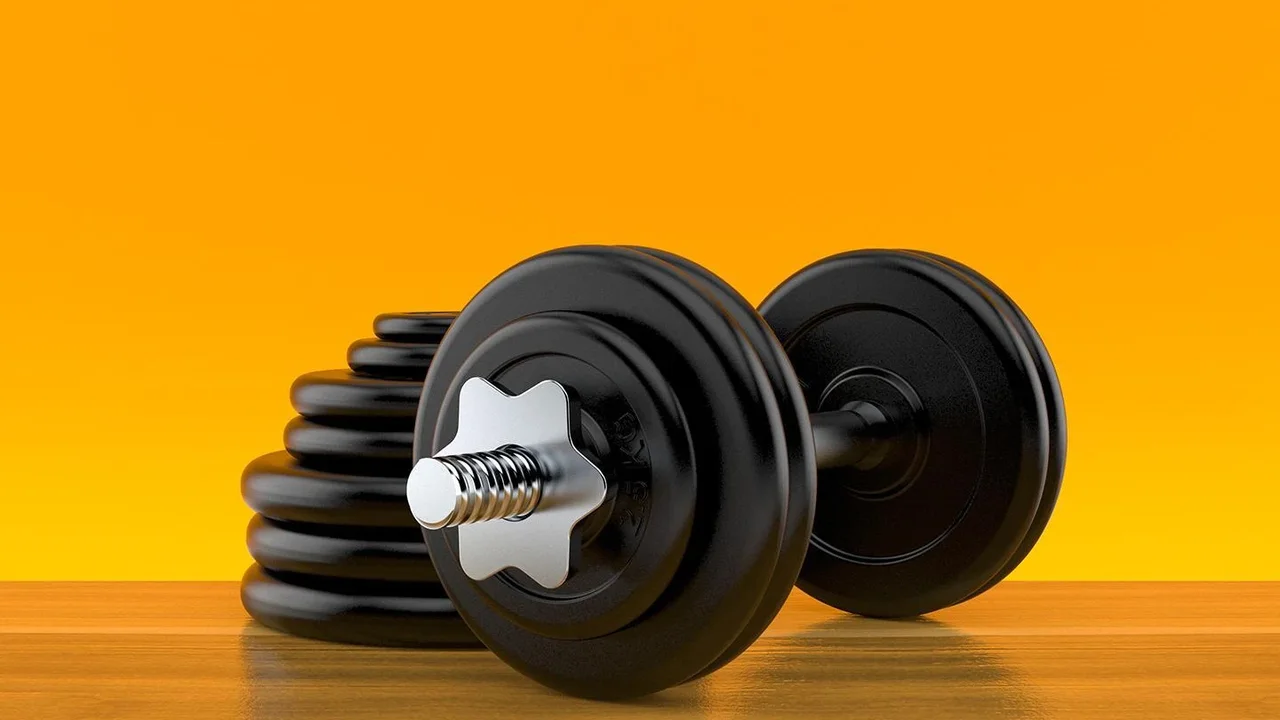
Another long-standing gym debate is whether free weights (like dumbbells and barbells) are superior to resistance machines. Free weights require you to stabilize the load, engaging more smaller muscles and improving real-world, functional strength. Machines, however, offer a guided path of motion, which can help beginners learn proper form and allow experienced lifters to safely isolate specific muscles. When it comes to the primary goals of building muscle and strength, multiple large-scale analyses have found that there is no significant difference between the two when training volume and effort are the same. You can effectively build muscle using only machines, just as you can with free weights. This means you can choose based on your comfort level, access to equipment, and personal goals without worrying that you're missing out.
The Science of Enjoyment and Consistency
The most powerful factor in any fitness journey is adherence—sticking with it long enough to see results. This is where personal preference becomes a scientific principle. Studies consistently show that exercise enjoyment is one of the strongest predictors of whether a person will continue their routine. When you enjoy an activity, your brain releases feel-good chemicals like endorphins and dopamine. This not only improves your mood and reduces stress but also creates a positive feedback loop that makes you want to do the activity again. One study found that simply instructing participants to self-regulate their intensity based on pleasure led to them attending 77% more exercise sessions than a group given standardized instructions. Forcing yourself to do a workout you despise can increase stress and lead to burnout, making you more likely to quit. Choosing something you love turns exercise from a chore into a rewarding part of your life.